Counter-Drone Systems for Prison Protection
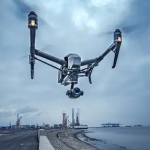
Unauthorized drones have become a serious security concern for correctional facilities worldwide. From smuggling contraband to conducting illegal surveillance, small UAVs can bypass traditional perimeter defenses with alarming ease. As a result, counter-drone systems for prison protection are now essential components of modern correctional security strategies.
This article explores how anti-drone technologies help safeguard prison airspace and maintain institutional control.
Why Drones Are a Growing Threat to Prisons
In recent years, correctional facilities have reported increasing incidents involving drones used to deliver:
-
Mobile phones
-
Drugs and weapons
-
SIM cards and batteries
-
Escape tools
Unlike ground-based intrusions, drones can approach from above, often flying at low altitude and high speed. Traditional fences, walls, and patrol systems are not designed to counter airborne threats.
Without specialized detection and mitigation systems, prisons remain vulnerable.
What Is a Counter-Drone System?
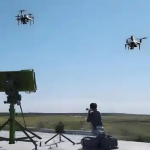
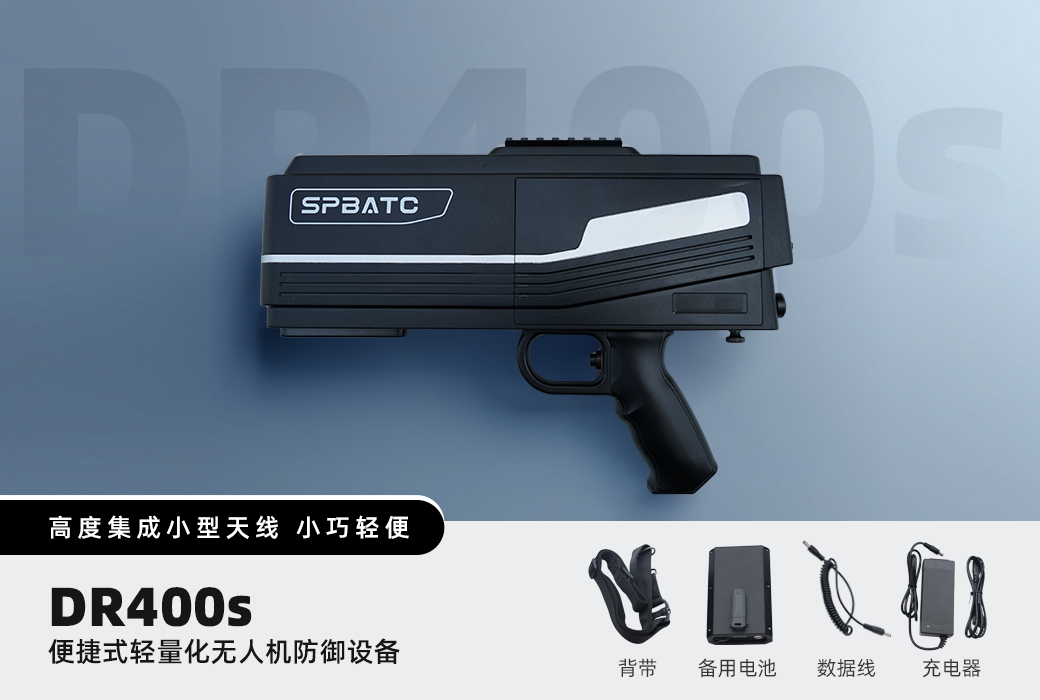
A counter-drone system (also known as an anti-drone or counter-UAS system) is a layered security solution designed to:
-
Detect unauthorized drones
-
Identify and track flight paths
-
Assess threat levels
-
Mitigate or neutralize the risk
For prison environments, these systems must operate reliably, safely, and in compliance with local regulations.
Core Components of Prison Counter-Drone Solutions
1. Drone Detection Technologies
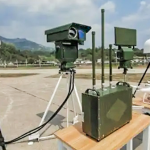
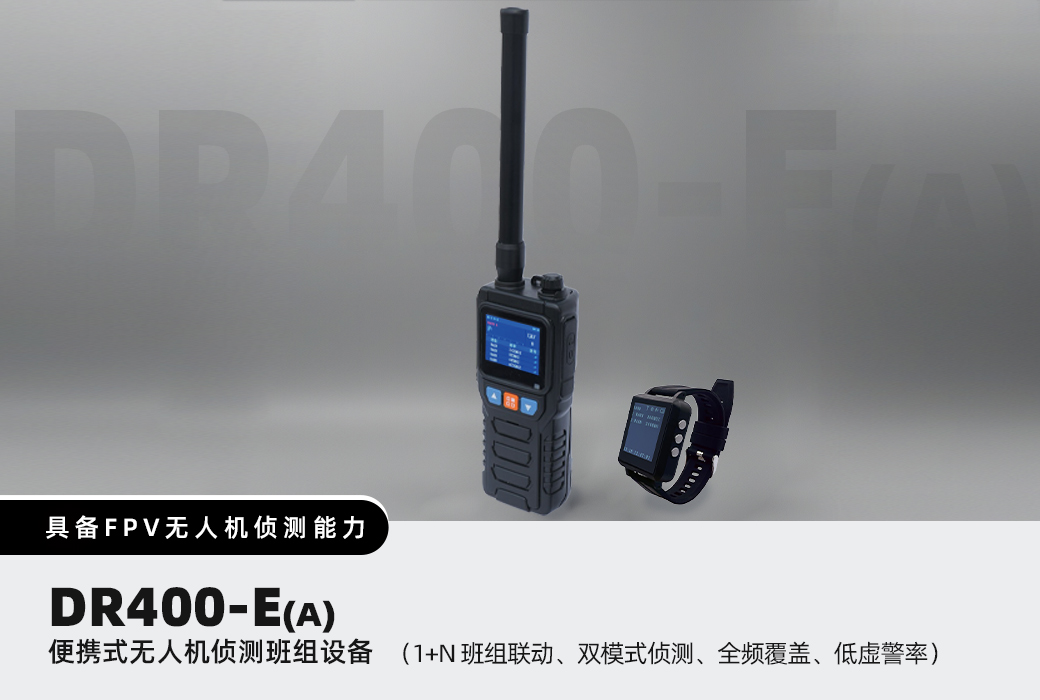
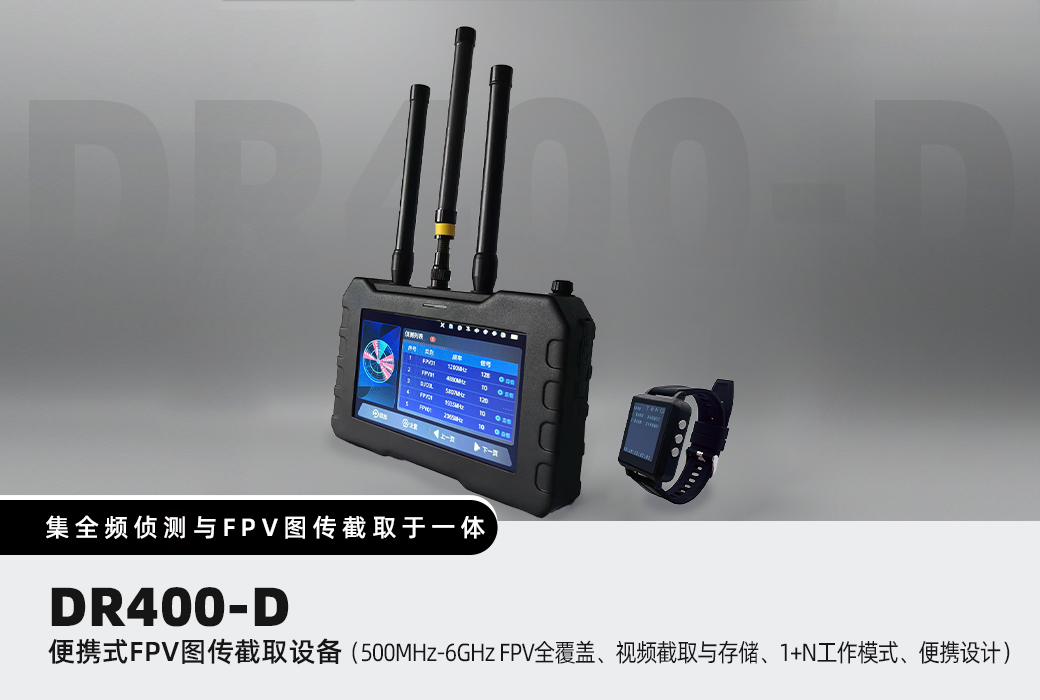
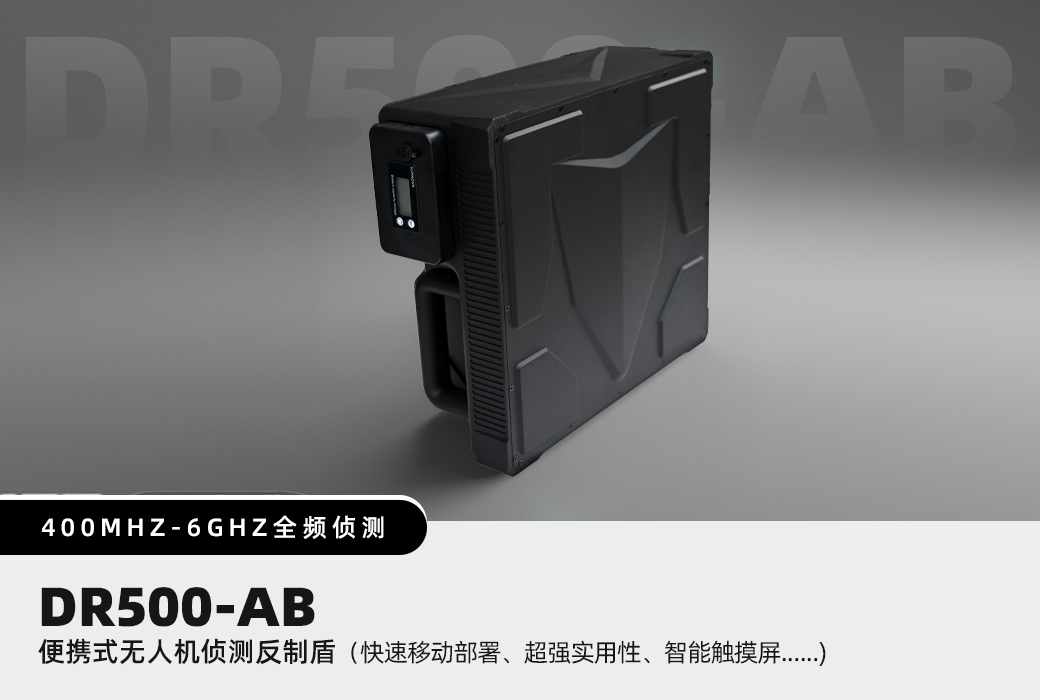
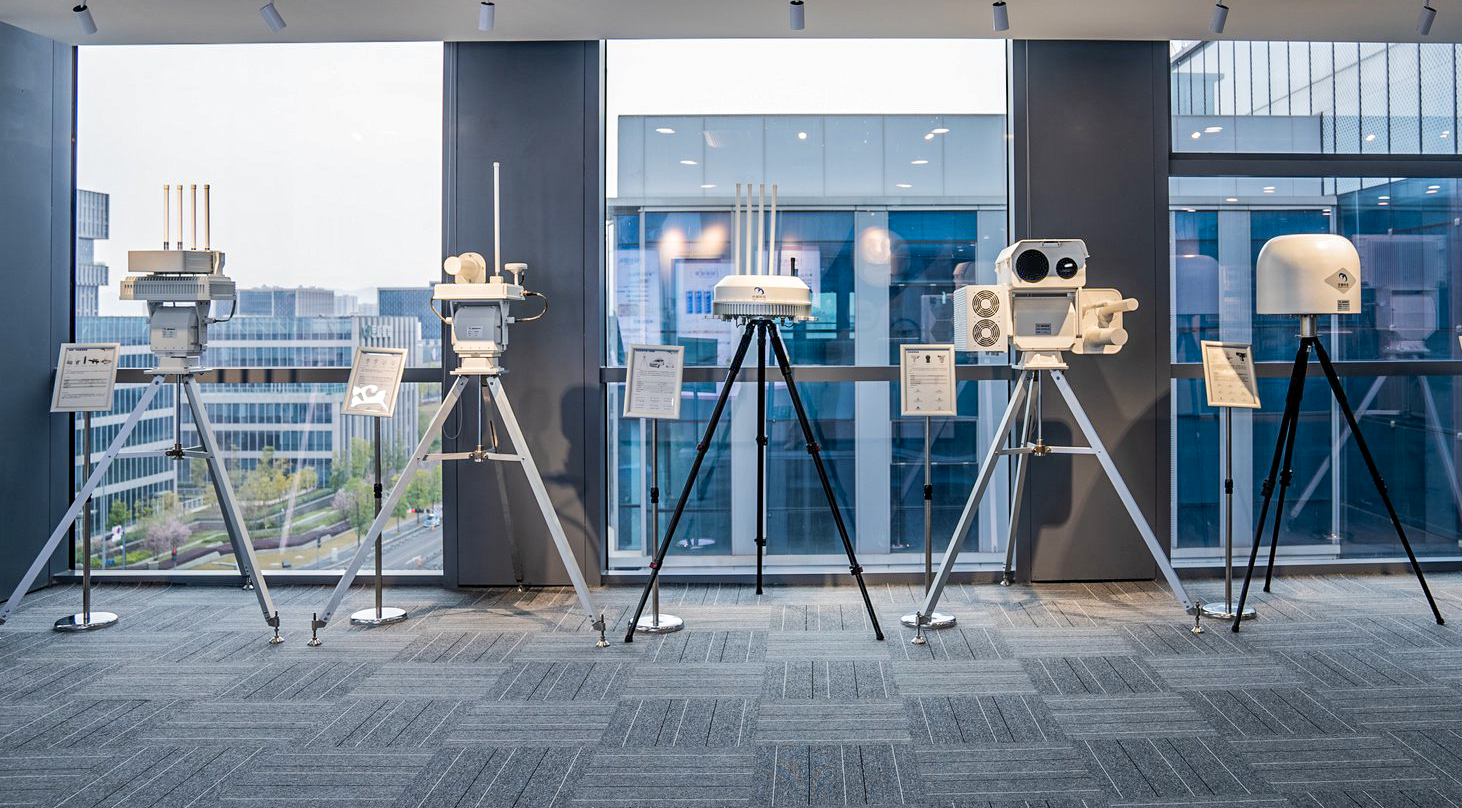
Effective prison protection begins with early detection. Common technologies include:
-
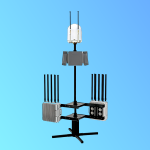
RF signal detection
-
Radar systems
-
Electro-optical and infrared cameras
-
Acoustic sensors
RF detection is particularly valuable because it can identify communication signals between a drone and its operator.
2. Drone Identification and Tracking
Once detected, the system must determine:
-
Drone type
-
Signal frequency
-
Direction of approach
-
Flight behavior
Advanced software platforms integrate sensor data to provide real-time situational awareness for security teams.
3. Drone Mitigation Measures
Mitigation methods may include:
-
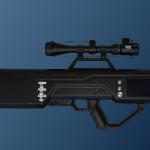
RF signal interference (jamming specific frequency bands)
-
GNSS signal disruption
-
Protocol-based takeover (where legally permitted)
For prison facilities, mitigation must be carefully controlled to avoid interference with authorized communications or nearby infrastructure.
Key Requirements for Prison Deployment
Counter-drone systems used in correctional facilities must meet strict operational standards:
Reliable 24/7 Operation
Prisons require continuous monitoring without performance degradation.
Controlled Coverage Area
Mitigation must be limited to the prison perimeter to prevent unintended disruption outside the facility.
Multi-Band Capability
Modern drones operate on multiple frequencies. Multi-band solutions provide broader protection.
Integration with Existing Security Systems
The anti-drone platform should connect seamlessly with:
-
CCTV networks
-
Access control systems
-
Command centers
Benefits of Counter-Drone Systems in Prisons
Implementing a dedicated UAV countermeasure system provides several advantages:
-
Prevents contraband delivery
-
Enhances inmate and staff safety
-
Reduces escape risks
-
Improves overall situational awareness
-
Strengthens perimeter security
More importantly, it acts as a strong deterrent once known to be deployed.
Choosing the Right Counter-Drone Solution
When selecting a counter-drone system for prison protection, decision-makers should evaluate:
-
Frequency coverage range
-
Detection accuracy
-
Power output and control precision
-
Environmental durability
-
Compliance with legal regulations
-
Customization capabilities
A professional supplier should provide technical assessment, system design, and post-installation support.
The Future of Prison Airspace Security
As drone technology continues to evolve, prison security strategies must adapt accordingly. Modern counter-drone systems combine RF intelligence, radar tracking, and intelligent mitigation to create a comprehensive defense shield.
Correctional facilities that invest in proactive airspace protection significantly reduce operational risks and reinforce long-term security stability.
Conclusion
Drones represent a fast-growing threat to correctional facilities, but they can be effectively managed through well-designed counter-drone systems. By combining detection, tracking, and controlled mitigation technologies, prisons can protect their airspace and prevent illegal aerial activity.
A layered and professionally integrated anti-drone solution is no longer optional—it is a necessary upgrade for modern prison security.