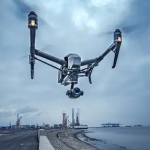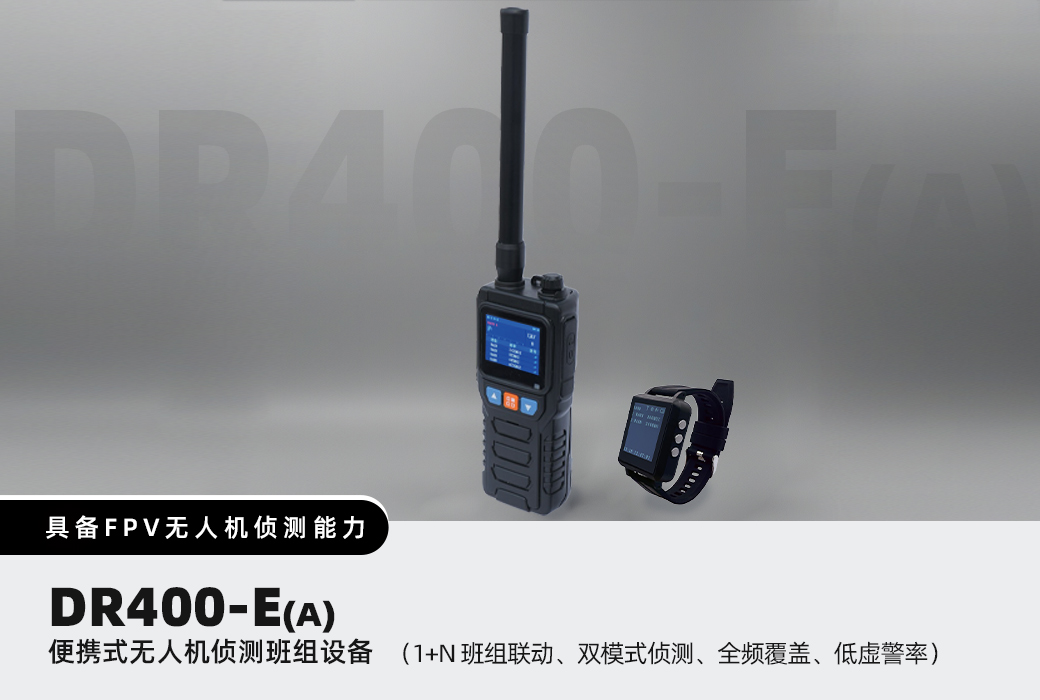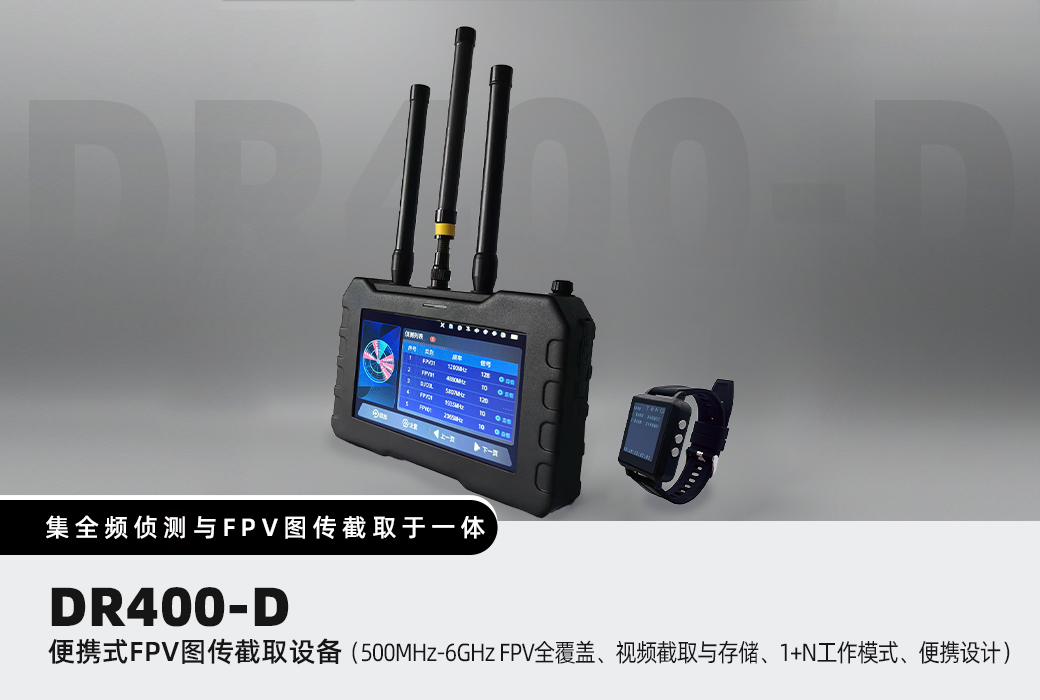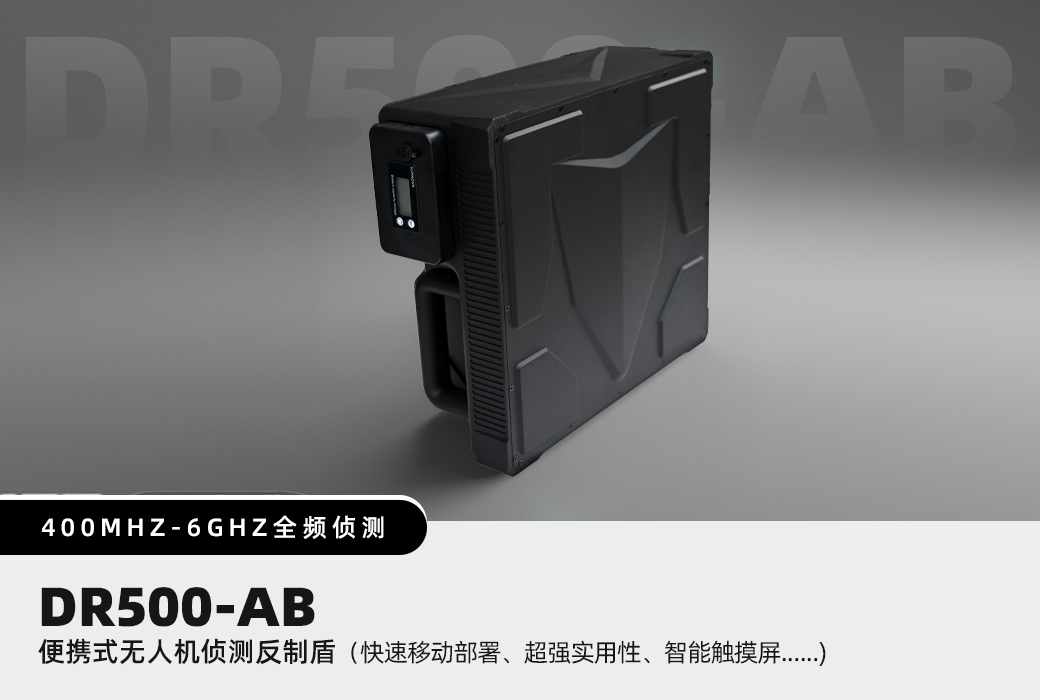
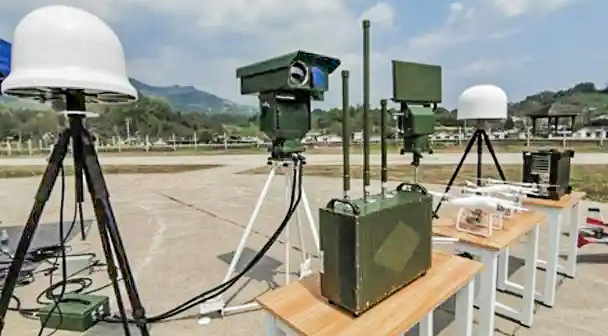
The rapid rise of First-Person View (FPV) drones has revolutionized aerial photography, racing, and tactical reconnaissance. However, this same agility and low-latency control have made them a unique and potent security threat. Unlike standard consumer drones, which prioritize stability and automated flight, FPV drones are built for speed, maneuverability, and pilot immersion.
To counter these fast-moving aerial platforms, specialized technology is required. The FPV Drone Jammer has emerged as a critical tool for neutralizing these specific high-speed threats.
The Unique Challenge of FPV Drones
FPV drones present a different set of challenges for security personnel compared to conventional UAVs:
-
High Speed and Agility: Capable of exceeding $100\text{ mph}$ ($160\text{ kph}$) and performing complex maneuvers, FPV drones are difficult to track visually or intercept physically.
-
Low Latency, Direct Control: Pilots operate using a real-time video feed, often bypassing automated GPS stabilization. This means they can fly indoors, through tight spaces, and close to structures.
-
Low Altitudes: FPV drones are frequently flown very low to the ground to maximize speed sensation or for stealth, making them hard for traditional radar systems to detect.
What is an FPV Drone Jammer?
An FPV drone jammer is a specialized electronic warfare device designed to disrupt the specific radio frequency (RF) links that FPV drones rely on for operation.
A standard FPV system consists of three main RF components:
-
Control Link (RC): The signal from the pilot’s transmitter to the drone ($2.4\text{ GHz}$ or $900\text{ MHz}$ bands).
-
Video Link (VTX): The real-time video feed from the drone camera back to the pilot’s goggles ($5.8\text{ GHz}$ is the most common).
-
Telemetry/GPS: Information about the drone’s status and location (various bands).
An effective FPV drone jammer targets these frequencies simultaneously with powerful interference signals.
How FPV Drone Jammers Work
Direct Frequency Disruption
By emitting noise on the identical frequencies used by the control and video links, the jammer overwhelms the legitimate signals. When the drone loses its control link, it typically enters a programmed “fail-safe” mode—which can include auto-landing or, if properly configured, returning to its launch point. Critically, disrupting the $5.8\text{ GHz}$ video link blinds the pilot, rendering safe operation impossible.
Tactical Engagement
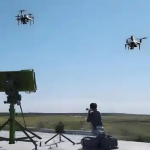
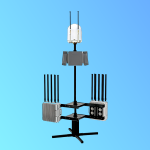
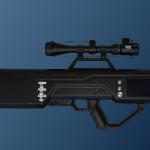
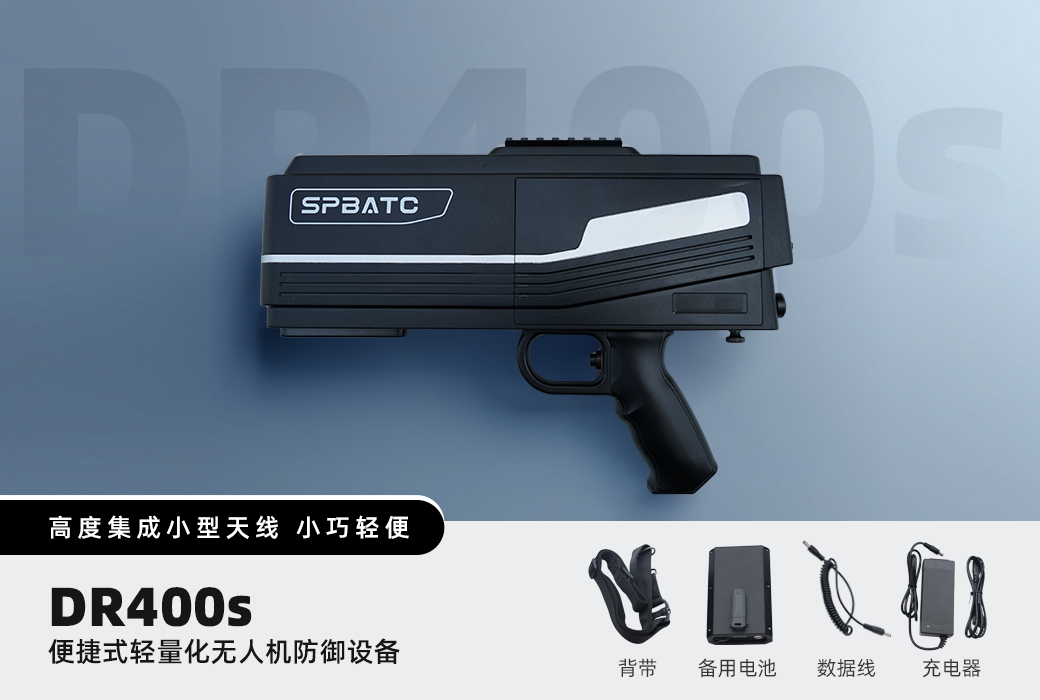
Unlike stationary omnidirectional jammers that cover large areas, effective FPV jamming often requires a directional approach. Operators utilize handheld or vehicle-mounted jammers equipped with high-gain directional antennas to focus the interference directly at the detected threat, maximizing effectiveness and minimizing collateral interference.
The Limitations and Compliance
It is crucial to understand that drone jamming technology is not without significant limitations and legal restrictions.
-
Collateral Interference: Jammers cannot perfectly isolate a specific drone signal. They often disrupt other legitimate communication systems, including Wi-Fi networks, cellular signals, and sometimes emergency radio bands, if not operated precisely.
-
Legal and Regulatory Restrictions: In many jurisdictions, including the United States (regulated by the FCC), the operation of jamming equipment by non-authorized entities is highly illegal and carries severe penalties. Usage is typically restricted to specific government agencies and law enforcement with proper authorization.
Conclusion
The emergence of FPV drones has necessitated a corresponding evolution in counter-UAS technology. While standard anti-drone systems are effective against conventional UAVs, the FPV Drone Jammer is uniquely designed to address the speed, direct control, and direct video feeds that make FPV platforms such agile threats. As this technology matures, its strategic integration into layered security protocols is vital for securing critical airspaces and public venues against high-speed aerial risks.