The Evolution of UAV Countermeasures: 2025 Industry Trends and Technologies
The global anti-drone market is witnessing an unprecedented surge, projected to reach a staggering $26 billion by 2034. As we move through 2025, the industry is shifting from standalone “jammers” toward integrated, intelligent, and legally compliant defense ecosystems.
1. The Rise of the “System of Systems” Architecture
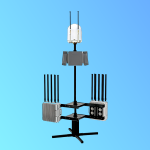
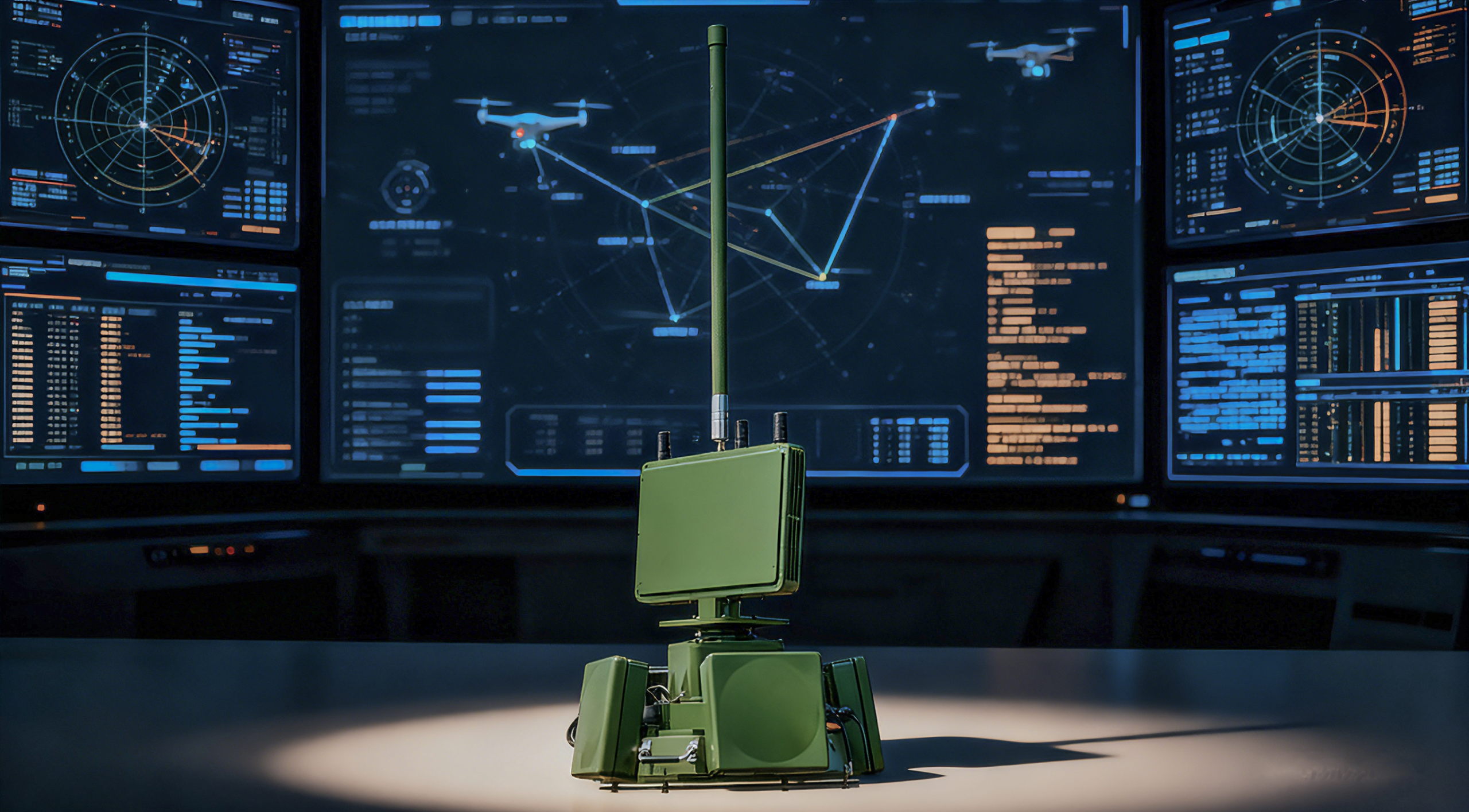
The era of the “all-in-one box” is fading. Today’s industry leaders are moving toward a modular, interoperable framework. Modern defense projects now favor “System of Systems” solutions that integrate:
-
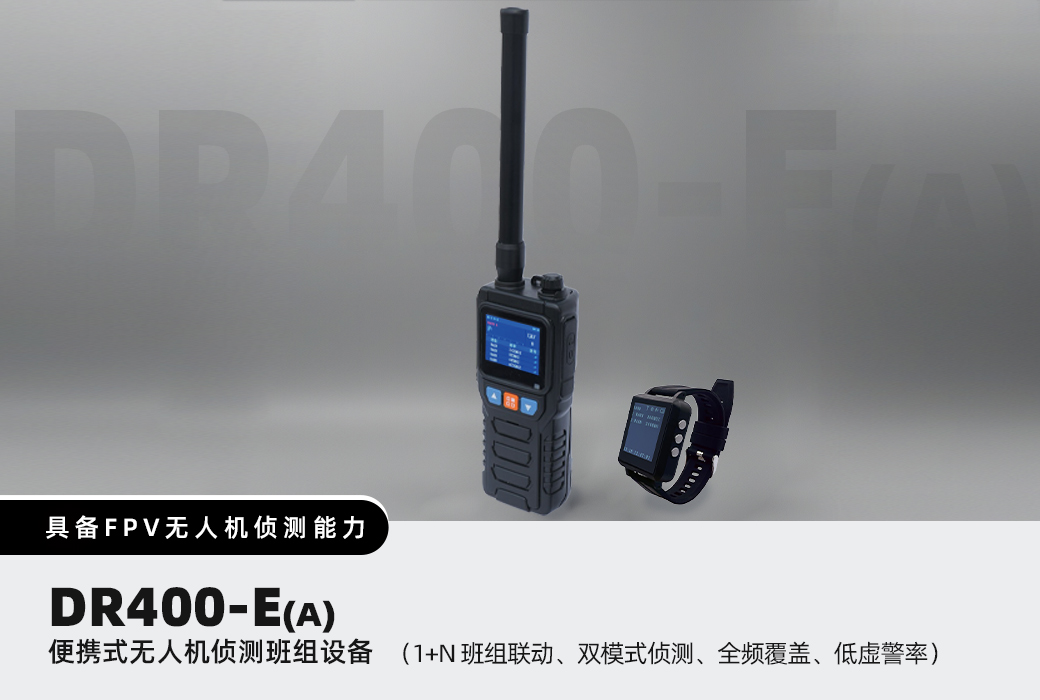
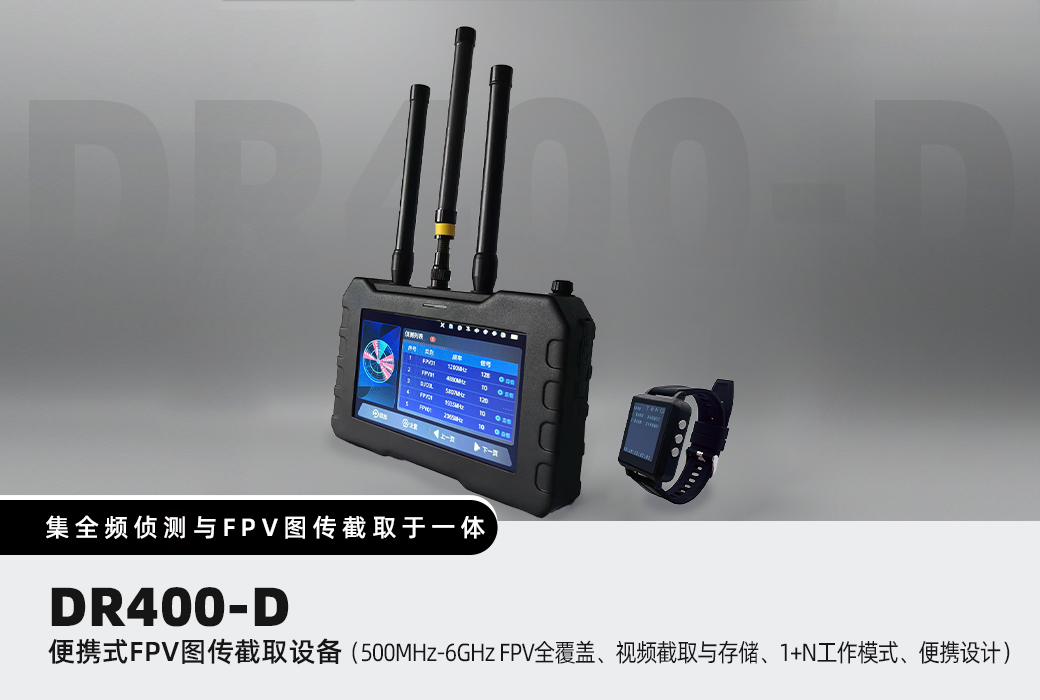
Passive RF Detection: Identifying drones without emitting signals.
-
EO/IR Tracking: High-definition thermal and optical verification.
-
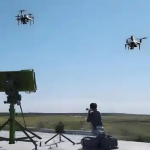
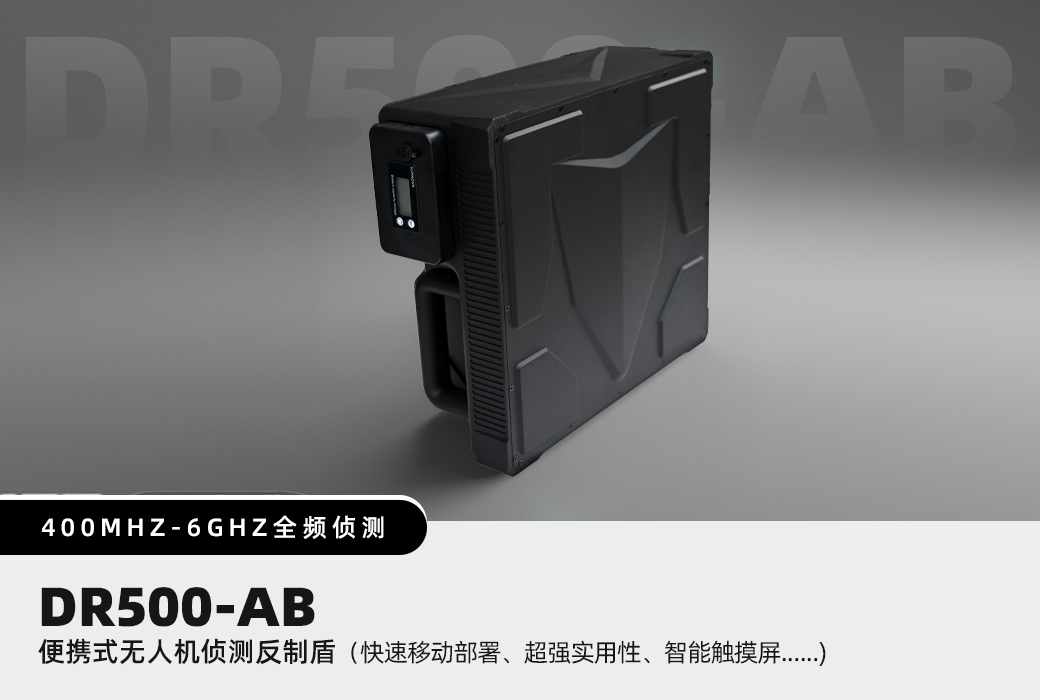
Multi-Layered Mitigation: Combining electronic jamming, GPS spoofing, and kinetic interceptors (like net launchers) into a unified command platform.
2. AI and Edge Computing: The New Standard
Artificial Intelligence is no longer a luxury—it is the backbone of 2025 C-UAS technology.
-
Autonomous Threat Classification: AI algorithms now distinguish between birds and drones in milliseconds, significantly reducing false alarm rates in urban “RF clutter.”
-
Predictive Flight Pathing: Advanced systems can now anticipate a drone’s trajectory before it reaches a restricted perimeter, allowing for proactive rather than reactive defense.
-
Edge Processing: By processing data directly on the sensor (at the “edge”), latency is reduced, enabling real-time response even in bandwidth-constrained environments.
3. Regulatory Compliance & Precision Mitigation
As governments implement stricter standards like GA1800.1-2021 and international airspace mandates, the focus has shifted to collateral-free defense:
-
Geofenced Mitigation: Smart systems now feature “no-fire zones” to ensure that jamming or spoofing does not interfere with civil aviation or local emergency services.
-
GNSS Spoofing over Jamming: Instead of blocking all signals, precision spoofing takes control of the drone’s navigation, forcing a safe landing without disrupting the surrounding communication infrastructure.
2025 Market Snapshot
| Trend | Impact on Industry | Technology Focus |
| Growth Rate | 25%+ CAGR through 2030 | Military & Critical Infrastructure |
| Intelligence | Autonomous Response | AI/ML & Deep Neural Networks |
| Mobility | “Flyaway Kits” | Modular & Vehicle-Mounted Units |
| Legality | Compliance-First Design | Geofencing & Passive Detection |
Conclusion
In 2025, the UAV countermeasure industry is defined by intelligence and integration. For facility managers and security professionals, the goal is no longer just “blocking a signal,” but achieving complete Low-Altitude Airspace Awareness. Whether protecting an electronics plant or a national power grid, the strategy must be layered, compliant, and powered by AI.