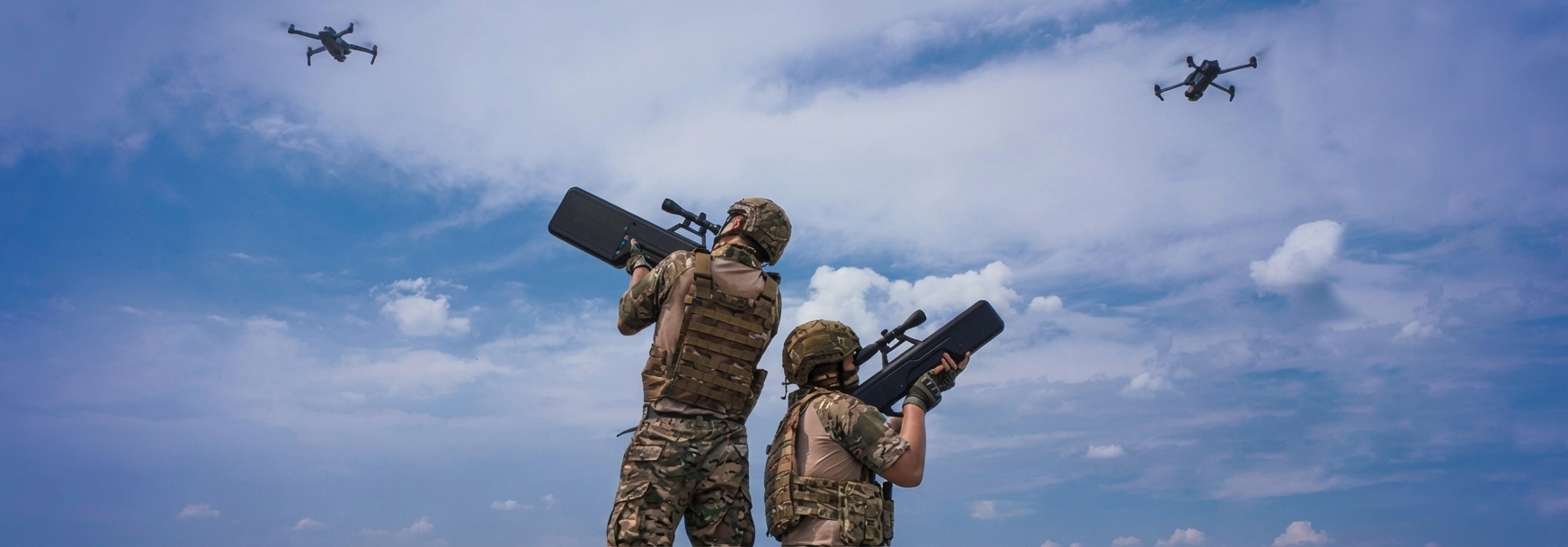
The Growing Threat of Unauthorized Drones
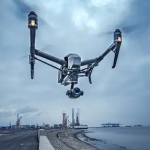
In recent years, civilian and commercial drones have become smaller, cheaper, and easier to operate. While drones bring efficiency and innovation to industries such as photography, logistics, and agriculture, they also introduce serious security risks. Unauthorized drones can be used for espionage, smuggling, sabotage, or even direct attacks. Traditional security systems such as fences, cameras, and guards are no longer sufficient to counter aerial threats.
This is where anti-drone jammers play a critical role. By disrupting the communication links between a drone and its operator, these systems provide an effective and non-destructive way to neutralize rogue drones before they cause harm.
What Is an Anti-Drone Jammer?
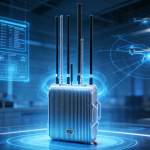
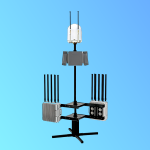
An anti-drone jammer is a counter-UAV device that interferes with the radio frequencies used by drones for control, navigation, and data transmission. Most commercial drones rely on GPS, Wi-Fi, or RF signals to function. When these signals are jammed, the drone may hover, land, return to its take-off point, or shut down entirely, depending on its configuration.
Compared to kinetic countermeasures, jammers are considered safer and more controlled, especially in urban or sensitive environments where physical interception could cause collateral damage.
Why Anti-Drone Jammers Are Necessary
The necessity of anti-drone jammers is driven by several key factors:
1. Protection of critical infrastructure
Power plants, oil refineries, data centers, and water treatment facilities are vulnerable to drone-based surveillance or attacks. A single drone carrying a camera or payload can compromise operations or safety.
2. Rising security incidents
Airports, government buildings, and military bases have reported increasing numbers of drone intrusions. In some cases, airport operations have been suspended, resulting in massive financial losses.
3. Low barrier to misuse
Consumer drones require minimal training. This makes them attractive tools for criminals, smugglers, and hostile actors.
4. Legal and safety advantages
Jamming technology allows authorities to stop drones without destroying them, reducing legal complications and public safety risks.
Key Application Scenarios
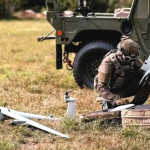
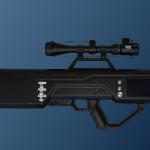
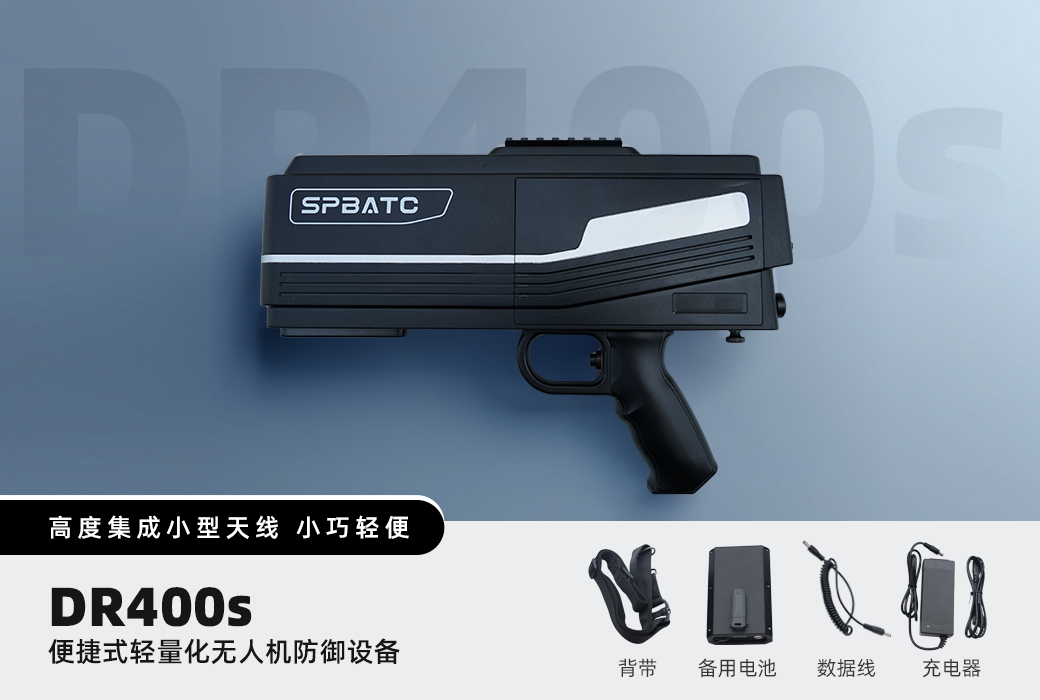
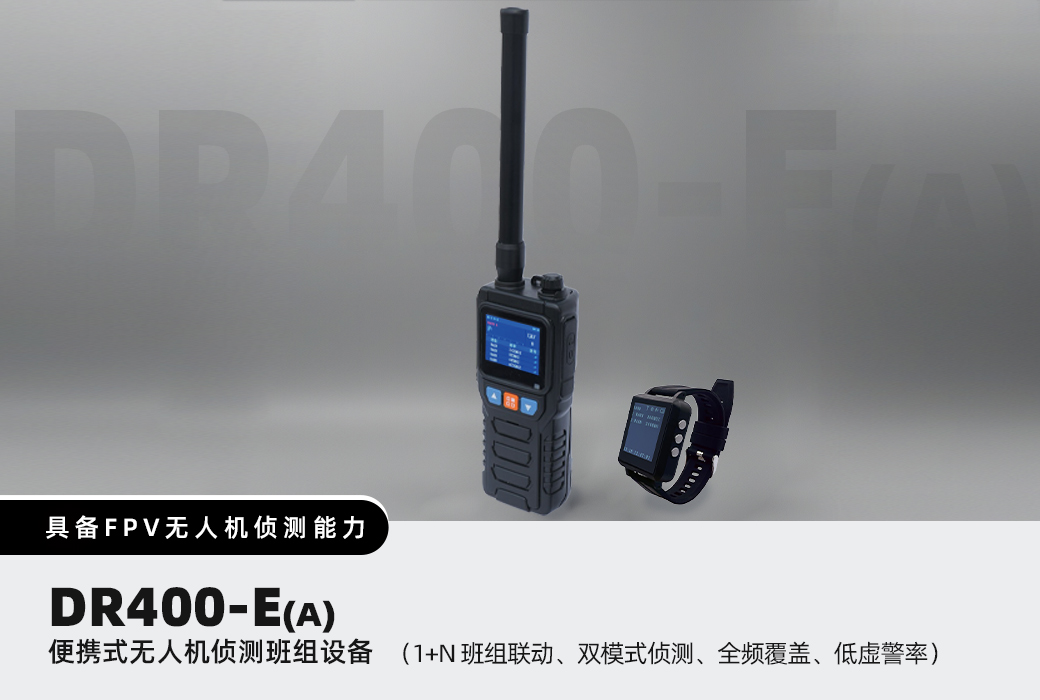
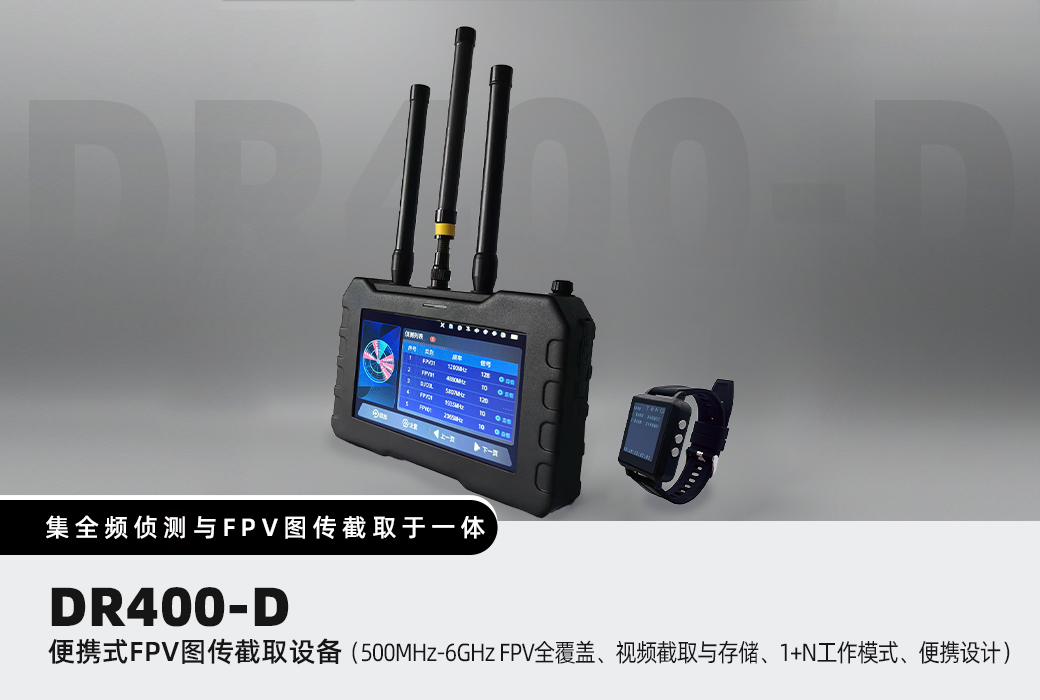
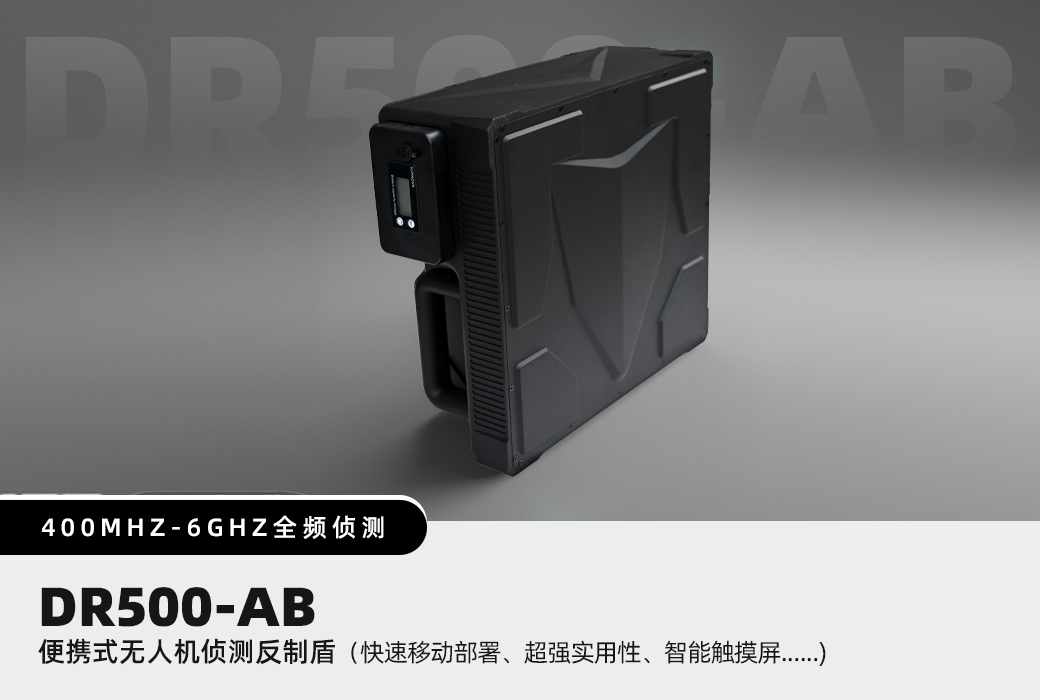
Portable anti-drone jammers are widely used by law enforcement and security teams.
1. Airports and Aviation Facilities
Unauthorized drones near airports pose a severe risk to aircraft during takeoff and landing. Anti-drone jammers are deployed as part of layered defense systems to detect and neutralize drones before they enter restricted airspace.
2. Military and Defense Zones
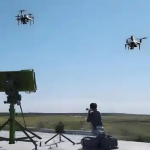
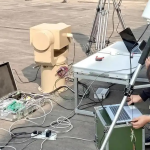
Military bases and border areas require robust counter-UAV solutions. Anti-drone jammers are often integrated with radar and optical detection systems to provide real-time response against hostile drones.
3. Government and Public Buildings
Parliaments, embassies, and major event venues are frequent targets for drone surveillance. Jammers help ensure airspace security during political summits, ceremonies, and high-profile gatherings.
4. Prisons and Law Enforcement
Smuggling via drones has become a major challenge for correctional facilities. Anti-drone jammers prevent drones from delivering contraband such as phones, drugs, or weapons into prison yards.
5. Industrial and Commercial Sites
Factories, warehouses, and R&D centers use anti-drone systems to protect intellectual property and prevent industrial espionage.
Large public events rely on anti-drone systems to maintain crowd safety.
Conclusion
As drones continue to evolve, so do the threats associated with them. Anti-drone jammers have become an essential part of modern security infrastructure, offering a practical and efficient solution to unauthorized UAV activity. From airports and military bases to prisons and industrial sites, their applications are expanding rapidly.
For organizations seeking to safeguard airspace without excessive risk or disruption, anti-drone jammers are no longer optional—they are a necessity in today’s low-altitude security landscape.