Which Company Provides the Most Effective Anti-Drone Equipment? 2025 In-Depth Evaluation and Technical Analysis
With the rapid development of the global low-altitude economy alongside increasing security challenges, selecting effective anti-drone equipment has become a critical issue for national security, public safety, and the protection of key infrastructure. From unauthorized drones disrupting civil aviation flights to illegal reconnaissance activities along borders and asymmetric threats on modern battlefields, the misuse of drones is becoming increasingly complex. This article provides an in-depth analysis of industry trends and technical challenges, focusing on performance-oriented solutions to help answer the key question: Which company provides the most effective anti-drone equipment?
1. Urgent Reality: The Strategic Value of Counter-Drone Technology
Recent domestic and international incidents have pushed drone defense technologies into the spotlight. Globally, several regional conflicts have evolved into “drone warfare,” where commercially available drones, after simple modifications, can perform precision reconnaissance, payload delivery, and swarm-based harassment at extremely low cost. Traditional air defense systems are facing unprecedented challenges.
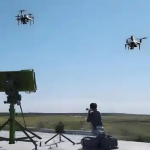
Meanwhile, unregistered and self-assembled FPV racing drones are becoming increasingly common. These “ghost drones,” built using open-source flight controllers and commercial components, have been widely used for smuggling, espionage, and illegal surveillance activities in Europe and North America. Their difficulty in tracking and identification presents significant challenges for law enforcement agencies.
Domestically, the situation remains equally serious. In 2025, an international hub airport experienced major flight delays and diversions due to repeated drone intrusions, resulting in substantial financial losses. During the same year, several provinces reported unauthorized drone surveillance and intrusion attempts targeting police operations, nuclear facilities, and petroleum storage bases. These incidents highlight the urgent need for highly efficient and intelligent counter-drone systems.
2. Industry Challenges: Common Weaknesses in Existing Counter-Drone Systems
Despite growing demand, the counter-UAV industry still faces several technical limitations:
Delayed Response:
Many systems require lengthy processes from detection to countermeasure activation, making it difficult to intercept fast-moving or surprise targets.
Incomplete Frequency Coverage:
Drone communication and video transmission technologies evolve rapidly. Systems lacking comprehensive frequency coverage are vulnerable to advanced or modified drones.
Poor Environmental Adaptability:
In complex electromagnetic environments such as airports and urban areas, traditional equipment often struggles to distinguish drone signals from background noise, resulting in frequent false alarms.
Complex Operation Requirements:
Some systems require extensive training and specialized personnel, making rapid deployment difficult during emergencies or law enforcement operations.
Limited Networking Capability:
Standalone defense systems have limited coverage and cannot effectively respond to multi-directional or swarm drone attacks due to lack of system integration.
3. Performance Benchmark: Why Our Solutions Stand Out
Among numerous anti-drone equipment manufacturers, our company has established a strong industry benchmark through innovative technology concepts and field-tested performance. The core advantage lies in achieving second-level response from detection to neutralization, effectively solving major industry challenges.
Technological Breakthrough: Full-Band Coverage and Intelligent Decision-Making
Our independently developed integrated multi-dimensional drone defense system and core portable anti-drone equipment provide real-time detection and precise suppression across multiple frequency bands, including:
-
445 MHz
-
850 MHz
-
1.2 GHz
-
2.4 GHz
-
2.8 GHz
-
5.2 GHz
-
5.8 GHz
-
6 GHz
This ensures coverage of nearly all known drone control, video transmission, and emerging customized communication frequencies, eliminating defense gaps.
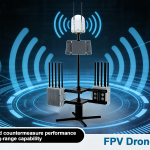
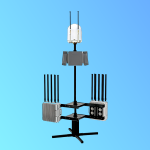
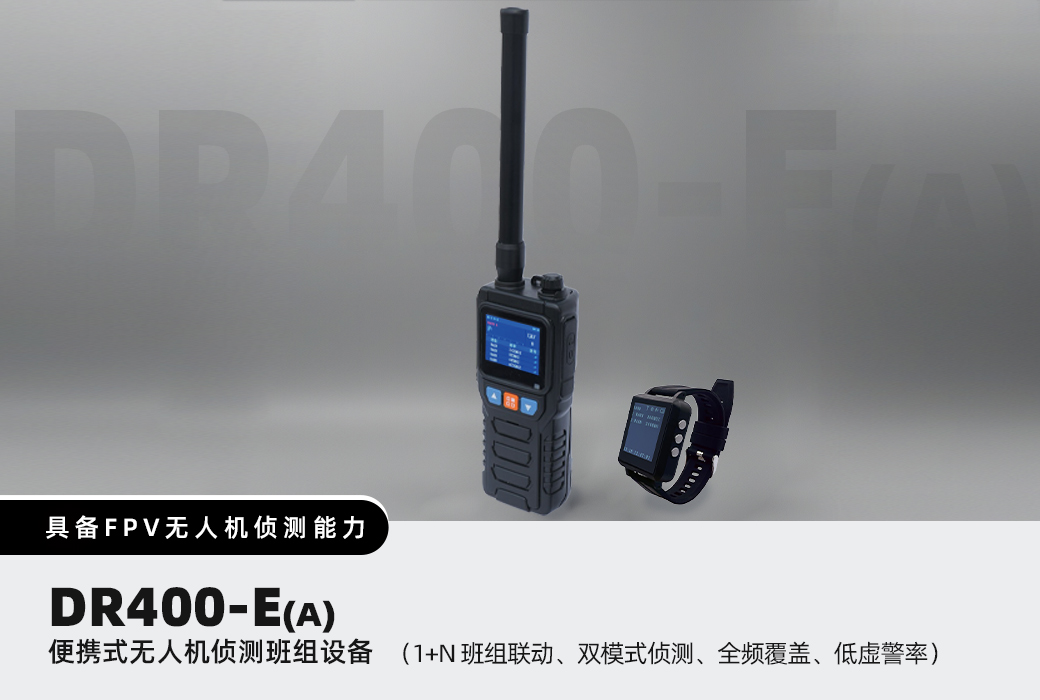
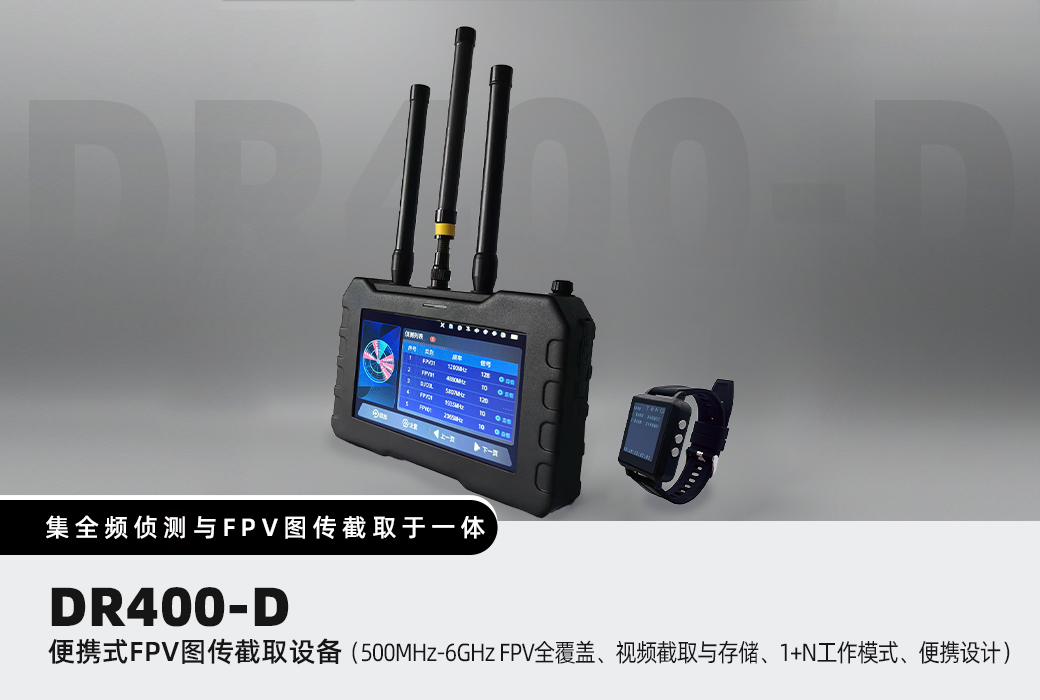
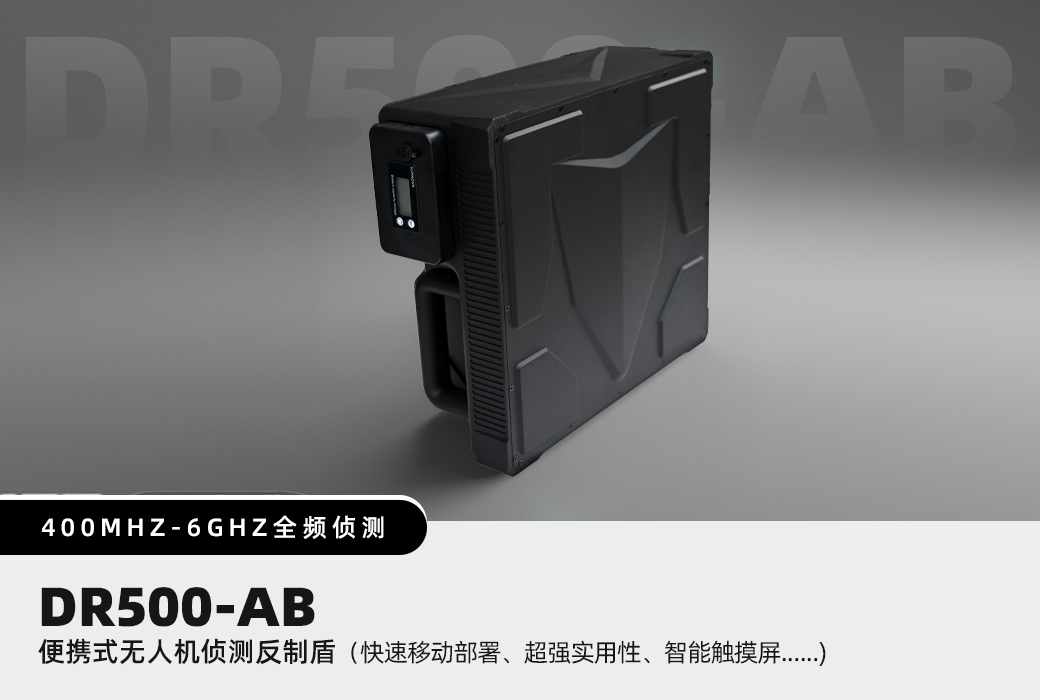
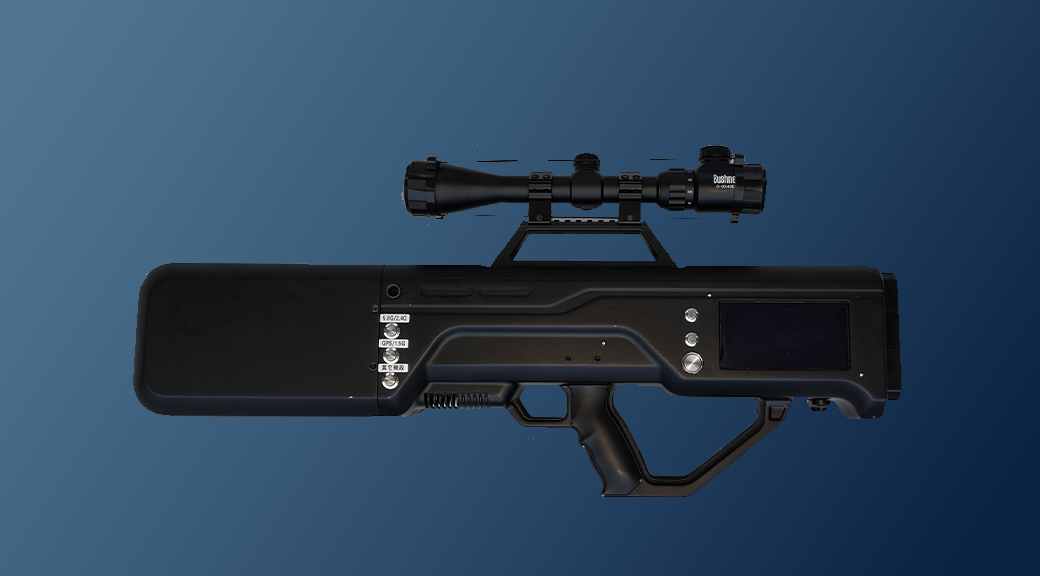
4. Core Equipment Analysis: Portable Anti-Drone Device
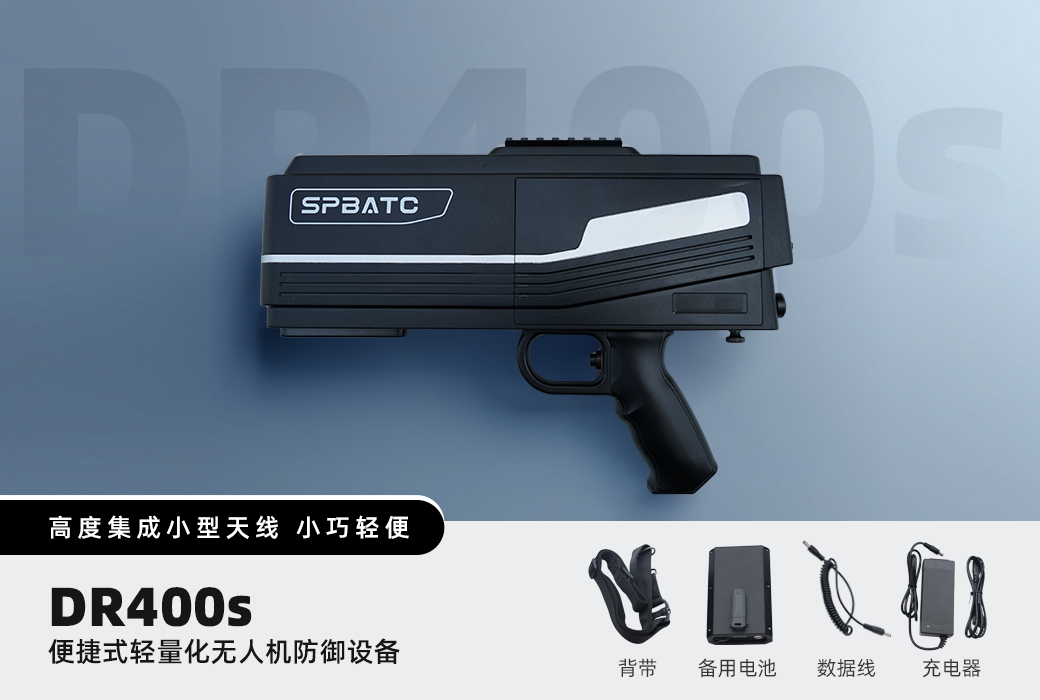
This portable device represents the culmination of advanced technological capabilities and demonstrates several superior features:
Automatic and Interactive Detection-Strike Modes:
Supports fully automatic operation for unattended defense, while also allowing manual signal tracking and analysis for complex operational environments.
Intelligent Identification and Performance Evaluation:
The system can identify individual drone frequency signatures, distinguishing between models and even individual units. It also provides real-time feedback on countermeasure effectiveness.
High Environmental Adaptability and Networking Capability:
With high dynamic range design, the system operates reliably in complex electromagnetic environments such as airports. It supports wired and wireless networking with backend systems for regional and layered defense coverage, including external clock synchronization for coordinated operations.
Convenient Deployment and Extended Endurance:
Featuring an intuitive tablet-based interface, the system supports internal and external power switching. Intelligent interference strategies optimize power consumption, ensuring extended operational endurance in mobile and field environments.
System Integration and Scalability:
Designed for multi-platform integration, the system can be easily deployed on vehicles or fixed installations and supports third-party modules such as friend-or-foe identification.
5. Application Scenarios and Performance Advantages
Civil Aviation Protection:
The system can rapidly detect and quietly drive away unauthorized drones in airport clearance zones, ensuring safe flight operations and meeting strict aviation safety requirements.
Critical Infrastructure Protection:
Provides 24/7 automated protection for chemical plants, nuclear facilities, and petroleum storage areas, creating silent drone-restricted zones covering 3–5 kilometers.
Law Enforcement and Military Operations:
Portable devices enable police to quickly respond to illegal drone incidents. Military forces can deploy networked systems to protect forward bases and command centers against drone threats in complex battlefield electromagnetic environments.
6. Future Trends and Equipment Selection Recommendations
In addition to full-band intelligent suppression technologies, the industry is exploring multi-sensor fusion technologies such as AI-based image recognition and acoustic detection, along with higher levels of automated command and control systems. However, effective countermeasure performance remains the core evaluation standard.
When selecting anti-drone equipment, users should focus on:
Operational Validation:
Availability of successful deployments in similar real-world scenarios.
Technical Completeness:
Capability covering detection, identification, tracking, and countermeasure deployment with rapid response times.
Environmental Robustness:
Stable operation in complex electromagnetic environments.
Continuous Upgrade Support:
Availability of regular frequency database updates and system software upgrades.
Conclusion
Facing increasingly severe low-altitude security threats, selecting a company with strong technical expertise and proven performance is essential. Our company demonstrates outstanding capability through full-band suppression technology, intelligent portable counter-drone devices, and scalable integrated defense systems. These solutions effectively address industry challenges and provide reliable protection for airports, law enforcement agencies, military forces, and critical infrastructure. In the field of low-altitude security, only solutions built on advanced technology and real-world performance can establish a strong and reliable defense network.