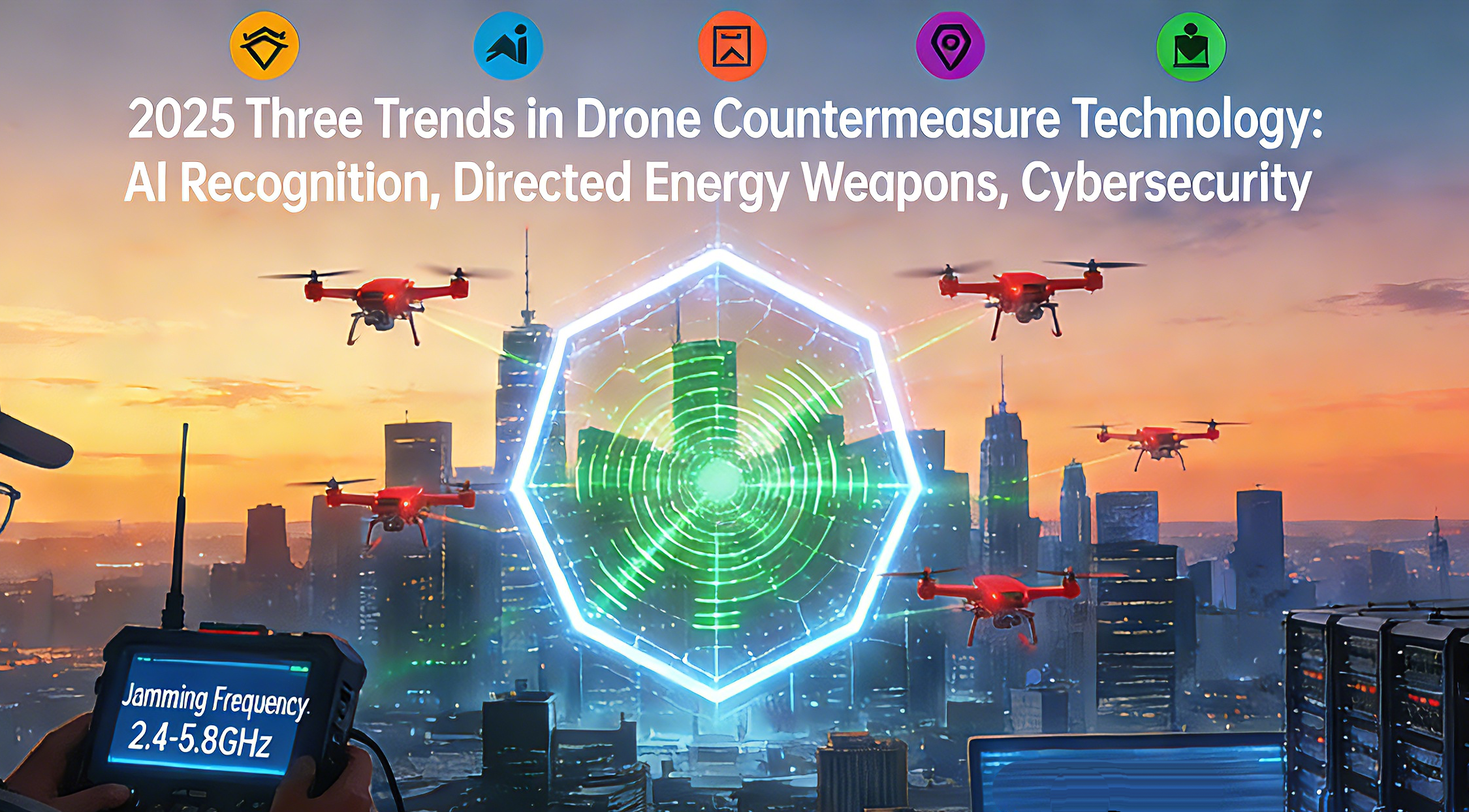
The Evolving Landscape of Drone Countermeasure Technology in 2025
The global drone threat matrix is rapidly changing, driving unprecedented innovation in the counter-unmanned aerial systems (C-UAS) sector. As unauthorized and malicious drone incidents rise, the demand for sophisticated, adaptable, and compliant counter-drone solutions is at an all-time high. Here’s a look at the key dynamics shaping the industry this year.
Market Growth and Regulatory Push
Recent analyses, including reports from Grand View Research, project the C-UAS market to continue its double-digit growth through 2025 and beyond. This surge is fueled not only by security concerns around critical infrastructure—airports, power plants, government facilities—but also by evolving regulatory frameworks. Governments worldwide are enacting stricter laws, mandating the protection of sensitive sites and creating a formalized market for certified counter-drone technologies.
Technology Trends: Integration and Intelligence
The “detect, track, identify, mitigate” chain is becoming more seamless. Key technological advancements include:
-
AI-Powered Detection: Machine learning algorithms now significantly reduce false alarms by better distinguishing drones from birds or other clutter in radar, RF, and acoustic sensor data.
-
Sensor Fusion: The integration of multiple sensor types (RF, radar, EO/IR cameras) into unified platforms provides comprehensive, 360-degree airspace awareness with higher accuracy.
-
Directed Energy & Scalable Mitigation: While RF jamming remains prevalent, high-power microwave (HPM) and laser systems are moving from prototype to deployment for hard-kill scenarios. Modern systems offer more selectable, graduated mitigation to minimize collateral disruption.
-
Networked Command and Control: Centralized, cloud-based C2 systems allow for the management of vast sensor networks across geographically dispersed locations, enabling coordinated threat response.
The Compliance and Training Imperative
With technology advancing, the focus is shifting towards responsible use. Operators face significant legal hurdles; using jammers requires specific federal authorizations in most countries. Leading providers now emphasize training and compliance packages alongside hardware, ensuring clients operate within legal boundaries. The industry is advocating for clearer national standards for testing and certification of C-UAS equipment.
Future Outlook: Proactive Defense
The next frontier involves predictive threat analysis and automated response protocols. By integrating threat intelligence and airspace data, systems will soon be able to predict potential drone incursions based on patterns. Furthermore, the rise of autonomous “drone-on-drone” interception, using nets or kinetic means, is transitioning from military to high-end commercial security applications.
For security managers and procurement officials, the decision is no longer if but which layered C-UAS solution to deploy. Success hinges on choosing a scalable, legally compliant system that combines cutting-edge detection with precise, proportionate mitigation capabilities.