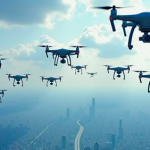
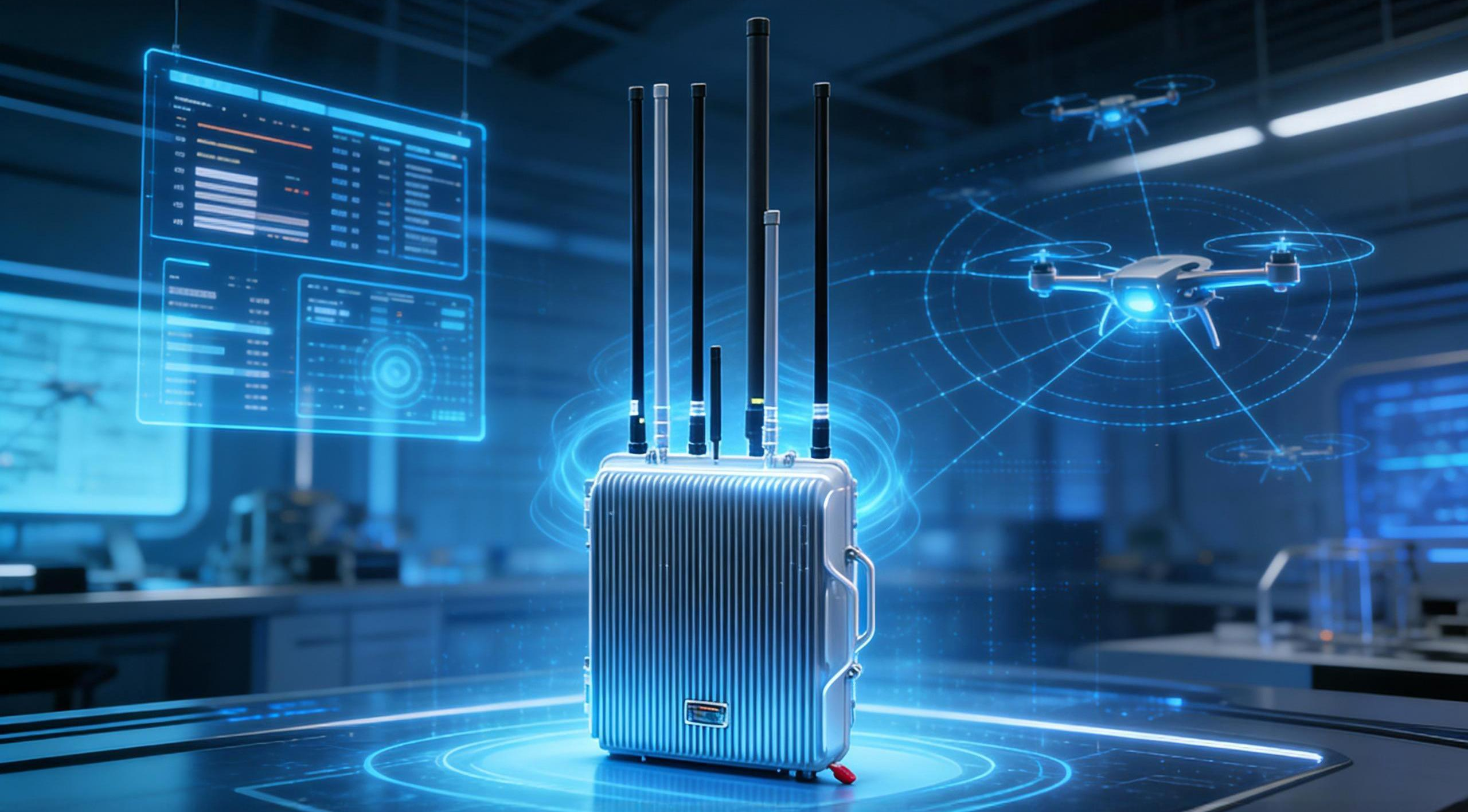
The proliferation of commercial and DIY drones has revolutionized numerous industries, but it has also introduced significant security risks. From invading privacy to threatening critical infrastructure, rogue drones are a growing concern. In this landscape, the drone jammer has become a pivotal technology for security professionals, military units, and event organizers. This guide explains what a drone jammer is, how it works, its legitimate applications, and critical considerations for its use.
What is a Drone Jammer?
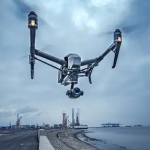
A drone jammer is an electronic countermeasure device designed to disrupt the communication link between an unmanned aerial vehicle (UAV) and its operator. It is a core component of Counter-Unmanned Aircraft Systems (C-UAS). Unlike kinetic solutions that destroy the drone, a jammer is a “soft-kill” tool that neutralizes the threat by severing its control, forcing it to land, return home, or hover until its battery depletes.
How Does a Drone Jammer Work?
The technology leverages the principle of radio frequency (RF) interference. Most consumer and commercial drones operate on specific public frequency bands (e.g., 2.4 GHz, 5.8 GHz for control; 1.5 GHz for GPS/GNSS).
-
Signal Transmission: The anti drone jammer emits a powerful, targeted radio signal on the same frequencies used by the target drone.
-
Link Disruption: This transmitted noise overpowers or “jams” the legitimate signals between the pilot’s remote controller and the drone, and/or between the drone and navigation satellites.
-
Safety Protocol Activation: Once the drone loses command and/or GPS lock, its pre-programmed failsafe protocol triggers. This typically results in one of three actions: an immediate landing, a return to its take-off point, or a stationary hover.
Primary Applications and Use Cases
The legitimate deployment of UAV jammer systems is typically reserved for authorized security and defense operations:
-
Military & Defense Bases: Protecting forward operating bases, convoys, and sensitive sites from enemy surveillance or explosive payload drones.
-
Critical Infrastructure: Safeguarding airports, nuclear power plants, government buildings, and stadiums from unauthorized drone incursions.
-
VIP & Executive Protection: Creating a mobile “bubble” of protection for dignitaries and high-profile events.
-
Correctional Facilities: Preventing drones from smuggling contraband like drugs and phones into prison yards.
-
Private Security & Sensitive Facilities: Protecting corporate R&D centers, oil refineries, and private estates from industrial espionage.
Types of Drone Jammers
Drone jammer systems come in various forms to suit different operational needs:
-
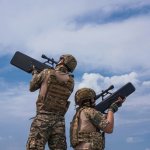
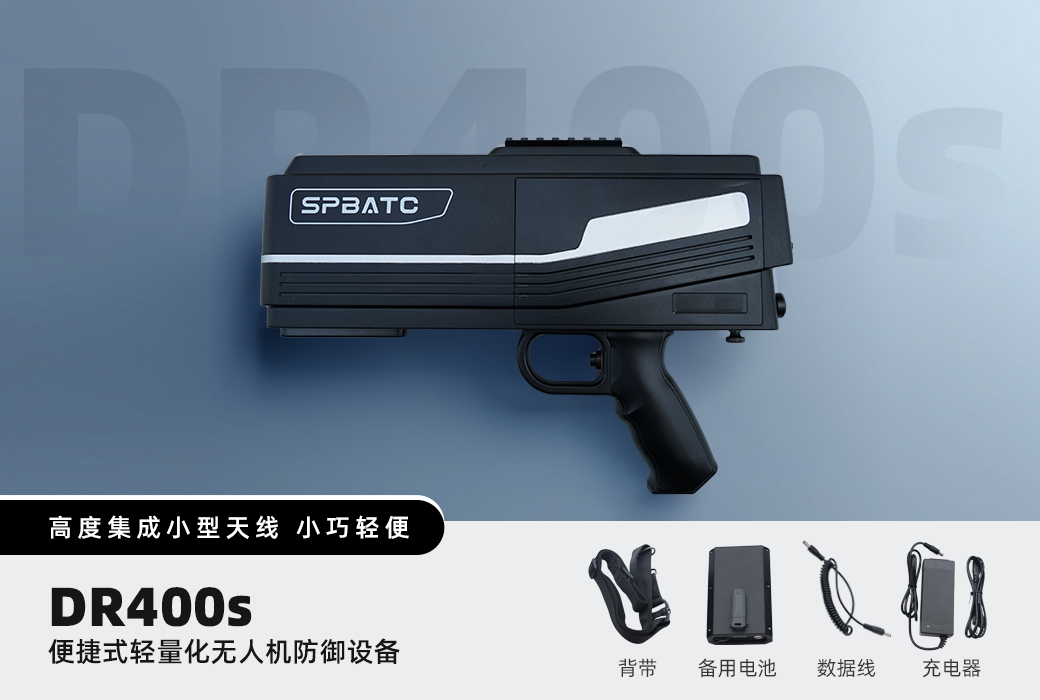
Portable Drone Jammer: Handheld or backpack-sized units for tactical, on-the-move use by security personnel. Ideal for rapid response.
-
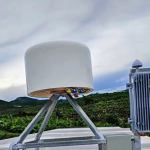
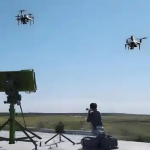
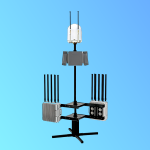
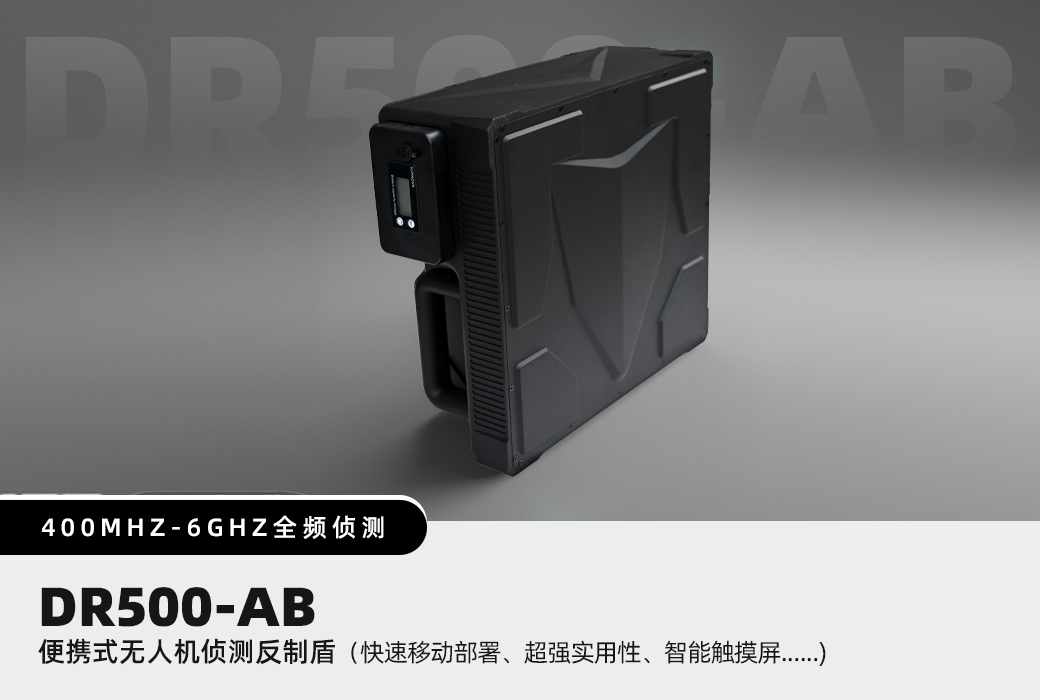
Fixed/Stationary Systems: Permanently installed on buildings or perimeter fences to provide continuous protection for a defined area.
-
Vehicle-Mounted Systems: Integrated onto patrol cars, armored vehicles, or naval vessels for mobile area denial.
-
Drone-Mounted Jammers: Installed on interceptor or companion drones to engage hostile UAVs in the air.
Key Factors When Choosing a Drone Jammer
Selecting the right system requires careful evaluation:
-
Effective Range: The distance over which the jammer can reliably neutralize a target. Ranges vary from hundreds of meters to several kilometers.
-
Frequency Bands: Ensure the system covers the common ISM bands (2.4G, 5.8G) and GNSS frequencies (GPS, GLONASS, Galileo, BeiDou).
-
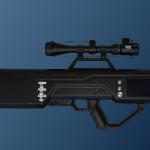
Directionality: Omni-directional jammers affect a wide area, while directional (rifle-style) jammers allow for precise, targeted engagement with less collateral interference.
-
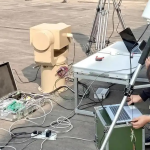
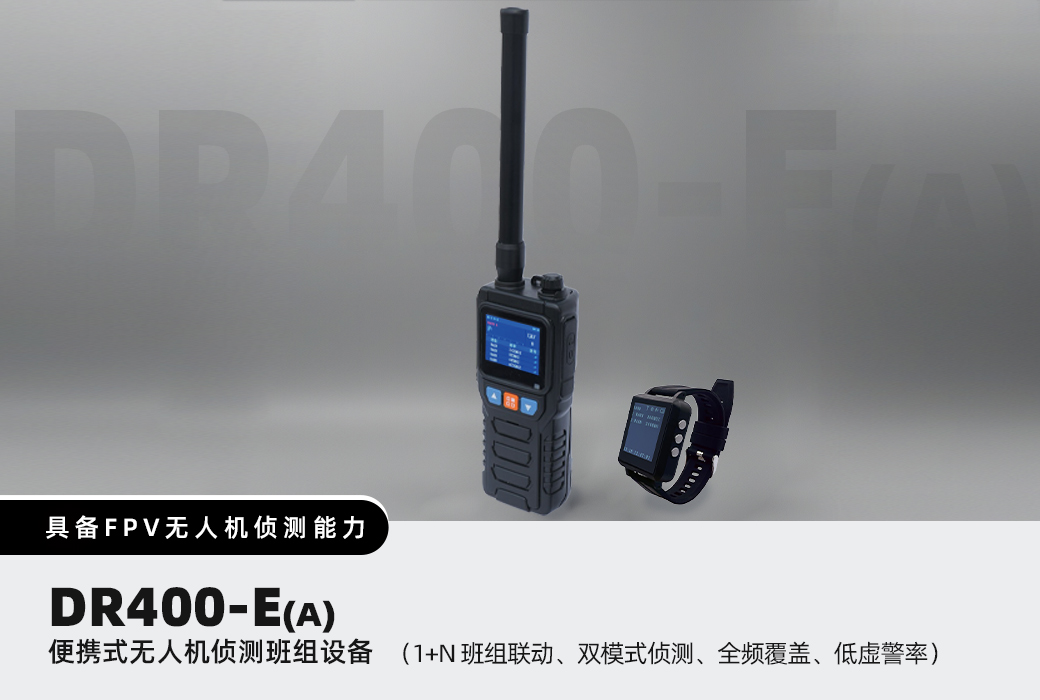
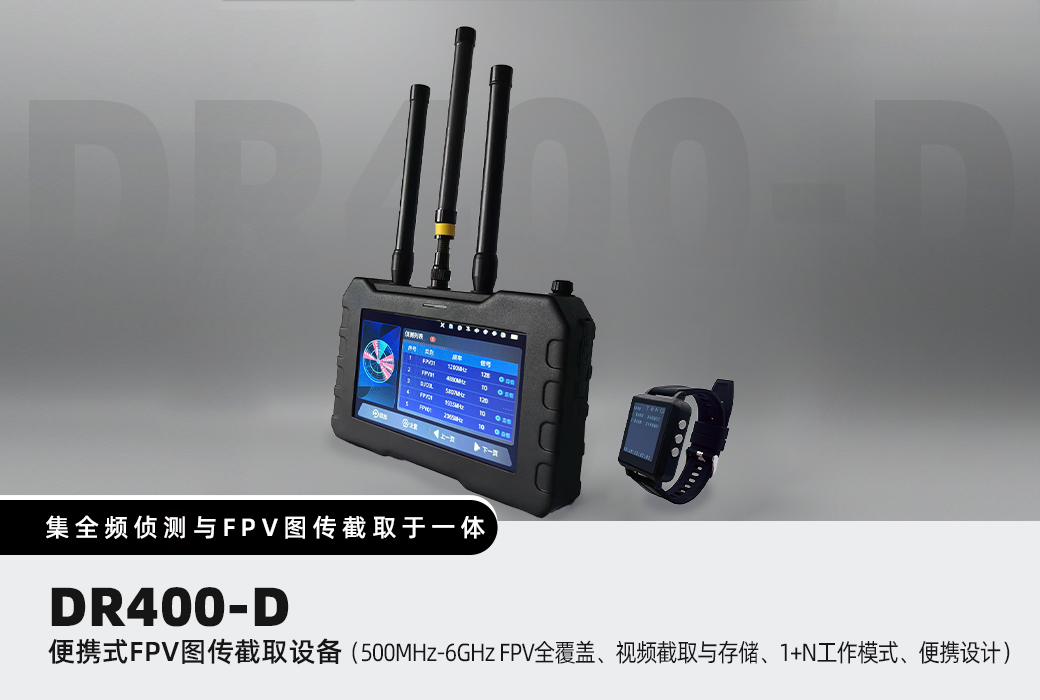
Integration Capability: For permanent installations, the jammer should integrate seamlessly with detection systems (radar, RF sensors, cameras) in a layered C-UAS solution.
-
Legal Compliance: This is paramount. The use of jammers is heavily regulated. Always verify national and local laws regarding RF transmission and airspace authority.
Legal and Operational Considerations
It is crucial to understand that drone jammer technology is not for consumer use. In most countries, unauthorized jamming of radio frequencies is a serious federal crime due to the risk of interfering with essential communications like cellular networks, aviation signals, and emergency services. Legitimate use is restricted to authorized government, military, law enforcement, and licensed security entities operating under strict protocols.
Conclusion: A Vital Tool in a Layered Defense
A drone jammer is a powerful and effective tool for mitigating unauthorized drone threats. However, it is most effective as part of a comprehensive counter drone technology suite that includes robust detection, tracking, and identification. For organizations responsible for protecting people, assets, and national security, understanding this technology is the first step toward building a credible and legal defense against the evolving drone threat.