
FPV Drone Jammer: Navigating Technology, Law, and Your Needs in 2025
The rise of First-Person View (FPV) drones has revolutionized filming and racing, but also introduced new risks like privacy invasion, espionage, and unauthorized flights over sensitive areas. An FPV drone jammer is a device designed to counter these threats by disrupting the drone’s control and video signals. However, navigating this market requires more than just understanding specs; it demands a clear grasp of strict legal boundaries and operational realities. This guide provides the crucial context you need.
Why FPV Drones Are a Unique Challenge
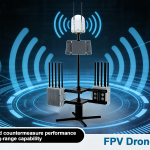
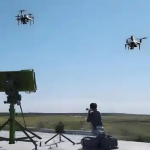
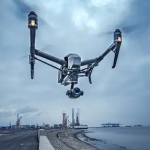
FPV drones differ from standard camera drones. Pilots rely on a real-time, low-latency video feed (typically on 5.8 GHz) to navigate at high speeds. They often use specific control protocols and can be highly agile. A generic jammer might not be effective. An FPV-specific jammer targets these precise frequencies (like 5.8 GHz for video and 2.4 GHz/900 MHz for control) with optimized power and modulation to break the pilot’s critical live link, causing the drone to hover, land, or return home.
The Paramount Importance of Legal Compliance
This is the most critical section. Before considering any purchase, you must understand the legal landscape, which is highly restrictive in most countries.
-
United States: The use of any device that intentionally interferes with licensed radio spectrum (including GPS, which is critical for many jammers) is a federal crime under FCC regulations. Fines can be severe, and criminal charges are possible. Use is generally limited to authorized federal agencies.
-
European Union & United Kingdom: Similar strict regulations apply. Jamming public radio communications is illegal. Authorization is typically reserved for state security and military bodies.
-
Global Variation: Laws vary significantly. In some regions, all jammers are outright banned for civilian use. It is your responsibility to research and comply with all national and local telecommunications laws. Purchasing a device does not grant the legal right to operate it.
Key Features to Evaluate (For Authorized Entities)
If your organization has obtained the necessary legal authority to operate such equipment, here are the technical factors to assess:
-
Effective Range & Power: Don’t be misled by maximum range claims. Effective jamming distance for FPV links depends on output power, antenna gain, and line-of-sight. A portable jammer may reach 500m-1km, while fixed-site systems can cover several kilometers.
-
Targeted Frequency Bands: Ensure the device covers the core FPV bands: 5.8 GHz (for video downlink) and 2.4 GHz / 900 MHz (for control). GPS/GNSS jamming (L1 band) is often included to disable position holding.
-
Form Factor & Use Case:
-
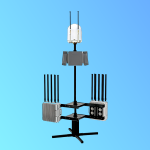
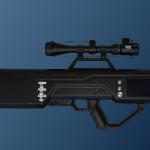
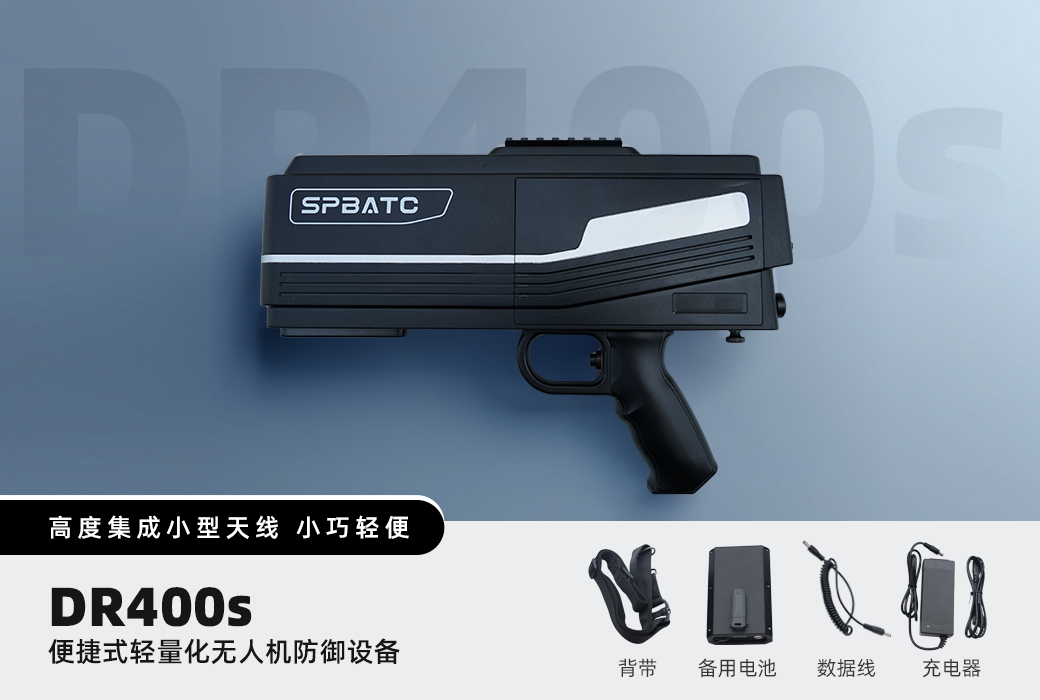
Handheld/Jammer Gun: Offers mobility and quick reaction for close-range, tactical situations.
-
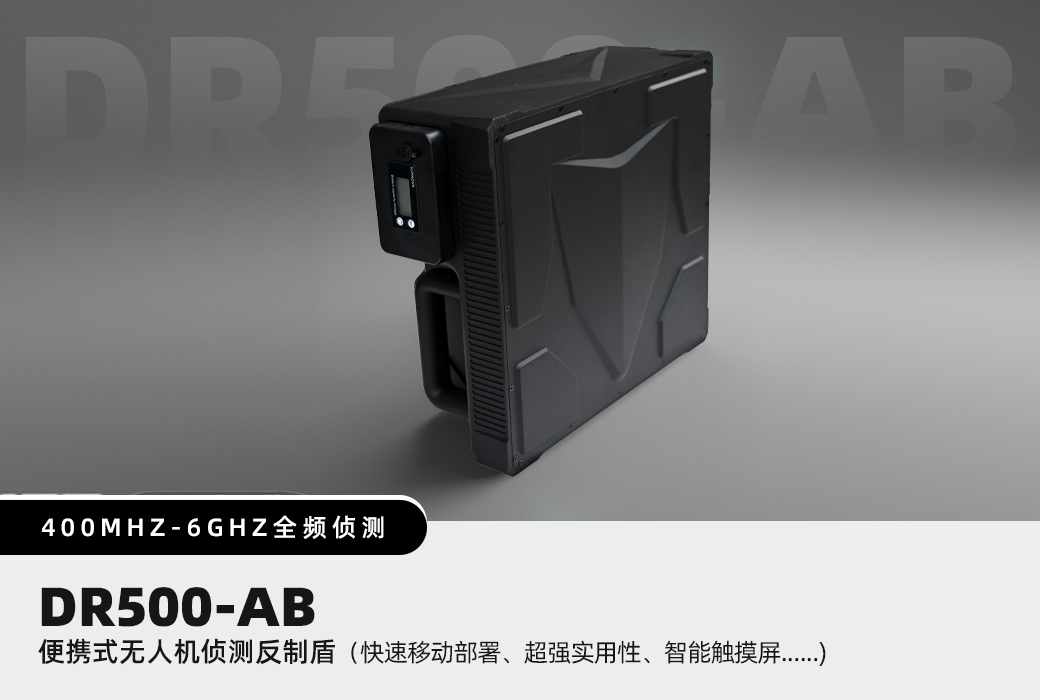
Portable/Backpack System: Provides more power and battery life for extended field operations.
-
Vehicle-Mounted: Ideal for protecting convoys or mobile assets with greater power and cooling.
-
Fixed/Static System: Used for permanent protection of critical infrastructure like prisons or power plants.
-
-
Battery Life & Operational Time: For portable units, check how long the system can operate at full power on a single charge. This is crucial for sustained missions.
-
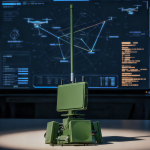
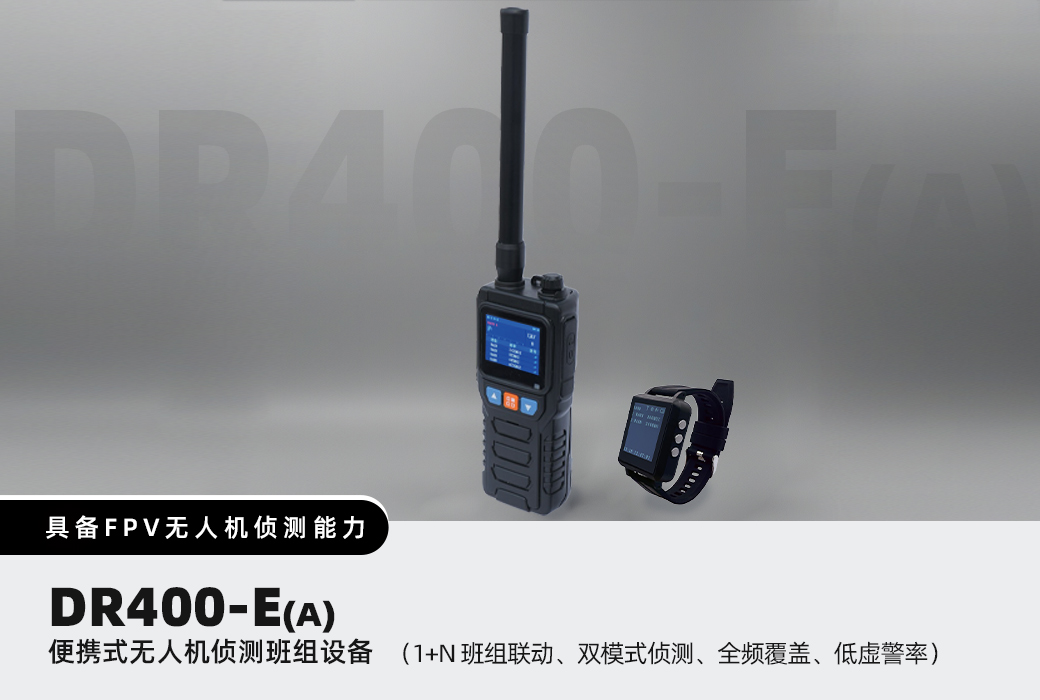
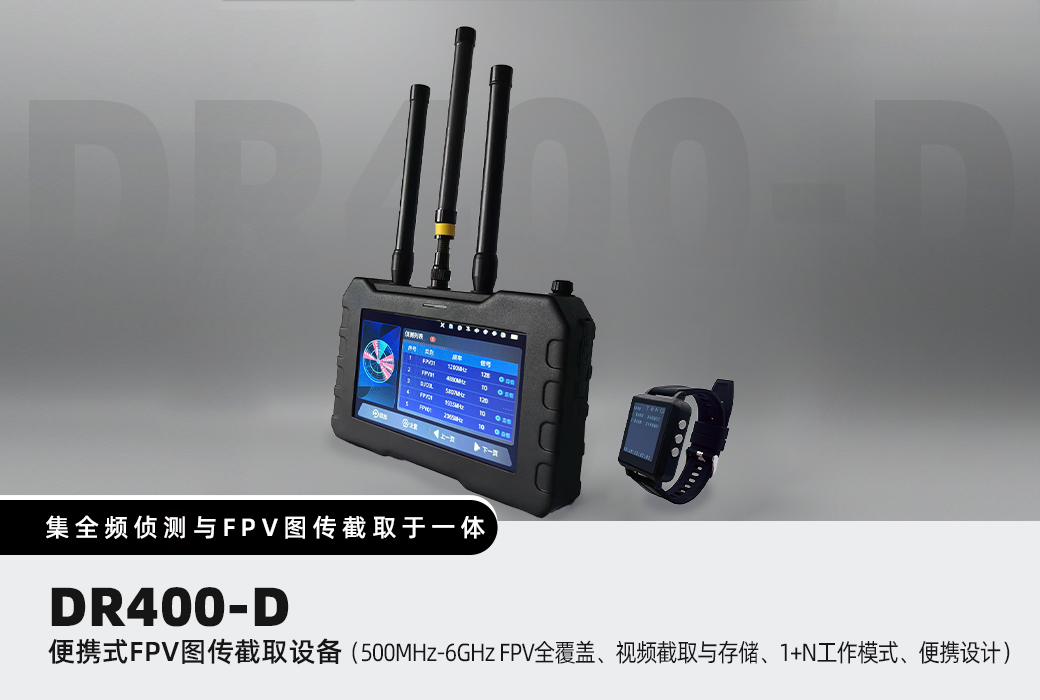
Additional Capabilities: Some advanced systems integrate detection (to find the drone first) and direction finding (to locate the pilot), creating a complete “detect-identify-defeat” solution.
Making an Informed Decision: A Step-by-Step Approach
-
Confirm Legal Authority: Consult with legal counsel and national communications regulators. Never skip this step.
-
Define Your Threat & Scenario: Are you protecting a static site or a moving vehicle? What is the typical expected range of intrusion? Answering this narrows down the form factor.
-
Research Reputable Manufacturers: Look for established companies in the defense or critical infrastructure security sector that provide full technical and compliance documentation.
-
Request a Demonstration: If possible, see the technology in action under conditions that simulate your real-world needs to verify performance claims.
-
Plan for Training & Protocols: Operating a jammer effectively and responsibly requires trained personnel and clear rules of engagement to avoid collateral interference.
Conclusion: A Tool of Last Resort for Authorized Professionals
An FPV drone jammer is a powerful but legally constrained tool. It is not a consumer product. For authorized government, military, and critical security agencies, it forms a vital part of a layered defense strategy against malicious drones. For all others, understanding the severe legal restrictions is essential. The path to secure airspace begins with legal compliance, followed by a thorough, needs-based assessment of technology. Always prioritize legal, detection-based, and mitigation-first solutions before considering active radio frequency jamming.