The Ultimate Guide to FPV Drone Jammers: 2026 Technology and Trends
As First-Person View (FPV) drones evolve from hobbyist toys into sophisticated tools for surveillance and rapid-response, the demand for FPV drone jammers has skyrocketed. In 2026, protecting sensitive airspace requires more than just a simple signal blocker; it requires an understanding of electronic warfare at a tactical level.
What is an FPV Drone Jammer?
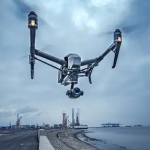
An FPV drone jammer is a counter-UAS (Unmanned Aircraft System) device designed to disrupt the radio frequency (RF) signals between a drone and its pilot. Unlike standard GPS-guided drones, FPV drones rely on high-speed, low-latency video feeds and control links, making them particularly dangerous and harder to intercept without specialized equipment.
How They Work
Jammers emit a burst of electromagnetic “noise” on the same frequencies the drone uses to communicate. This effectively “drowns out” the pilot’s commands and the drone’s video downlink, leading to:
-
Failsafe Activation: The drone may hover in place or attempt to return to its home point.
-
Emergency Landing: If the GPS is also jammed, the drone typically performs a controlled descent.
-
Signal Loss: The pilot loses the “eyes” of the drone, rendering it useless for reconnaissance or precision maneuvers.
Key Features of Modern FPV Jammers in 2026
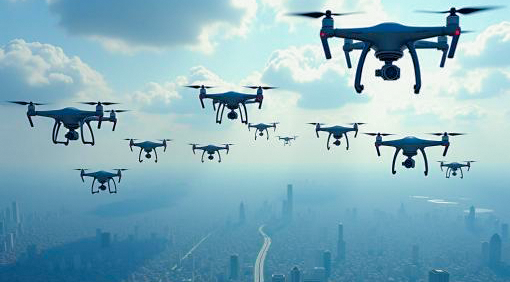
With the rise of “mothership” drones and AI-driven swarms, 2026-era jammers have become more intelligent:
1. Multi-Band Coverage
Traditional jammers targeted $2.4\text{ GHz}$ and $5.8\text{ GHz}$. Today’s FPV threats operate on a wider spectrum. High-end jammers now cover:
-
VHF/UHF: $433\text{ MHz}$ and $900\text{ MHz}$ for long-range control.
-
Extended Bands: Frequencies from $100\text{ MHz}$ up to $6\text{ GHz}$ to counter custom-built racing and tactical drones.
2. AI-Driven Signal Identification
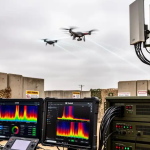
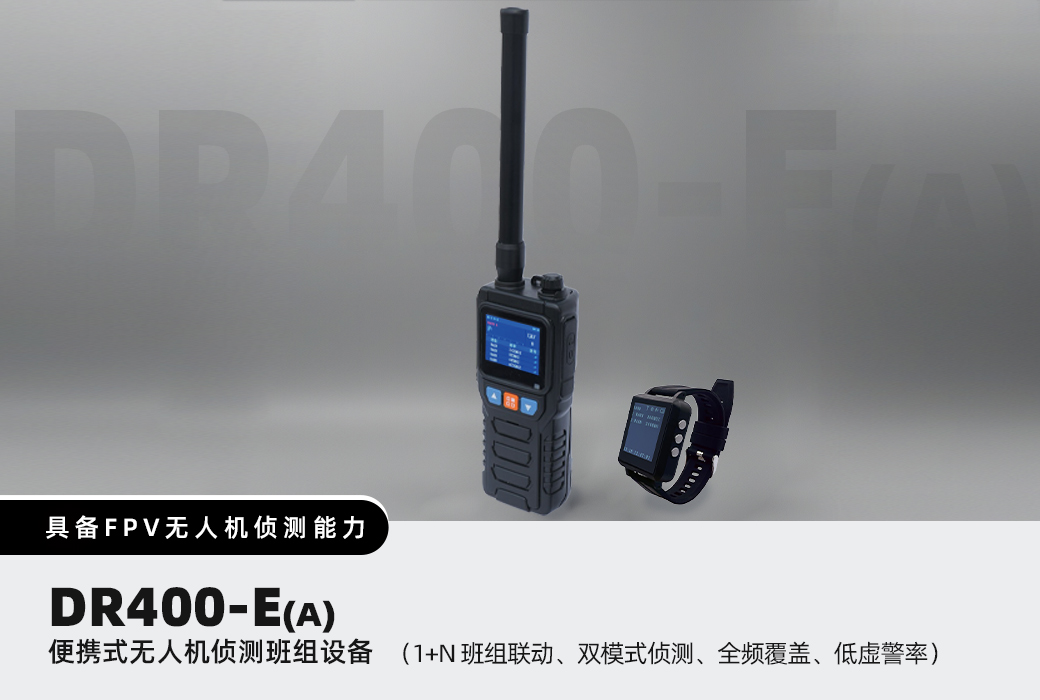
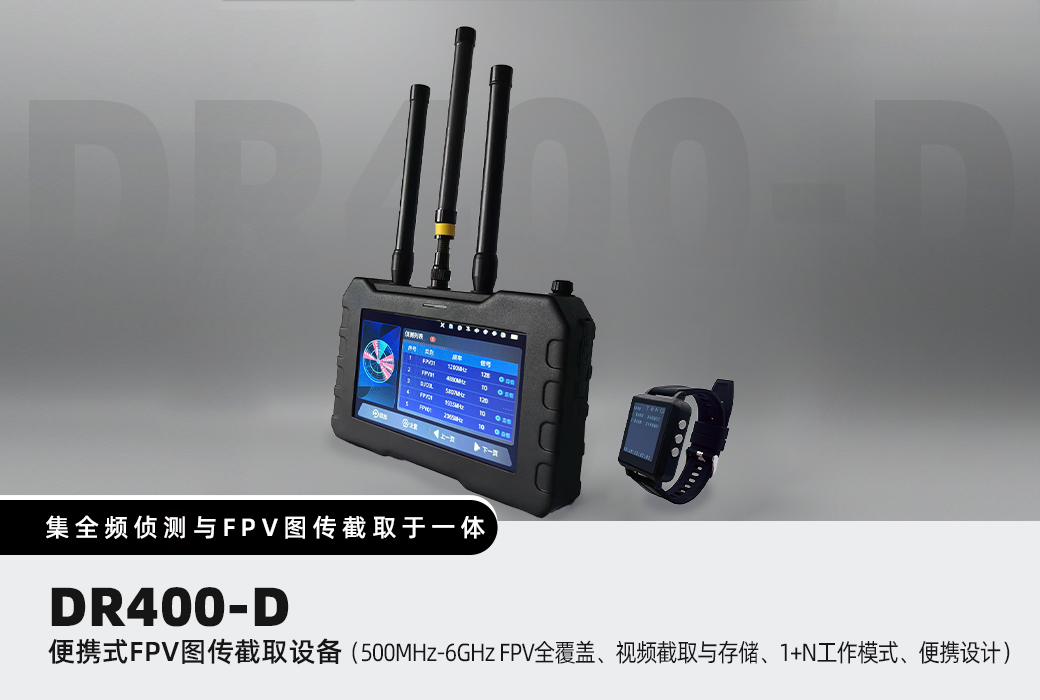
Modern units use Artificial Intelligence to scan the environment and identify specific drone signatures. This “reactive jamming” only activates when a threat is detected, saving battery life and reducing the footprint of the device.
3. Portability vs. Power
-
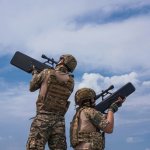
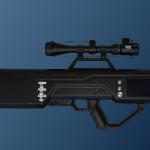
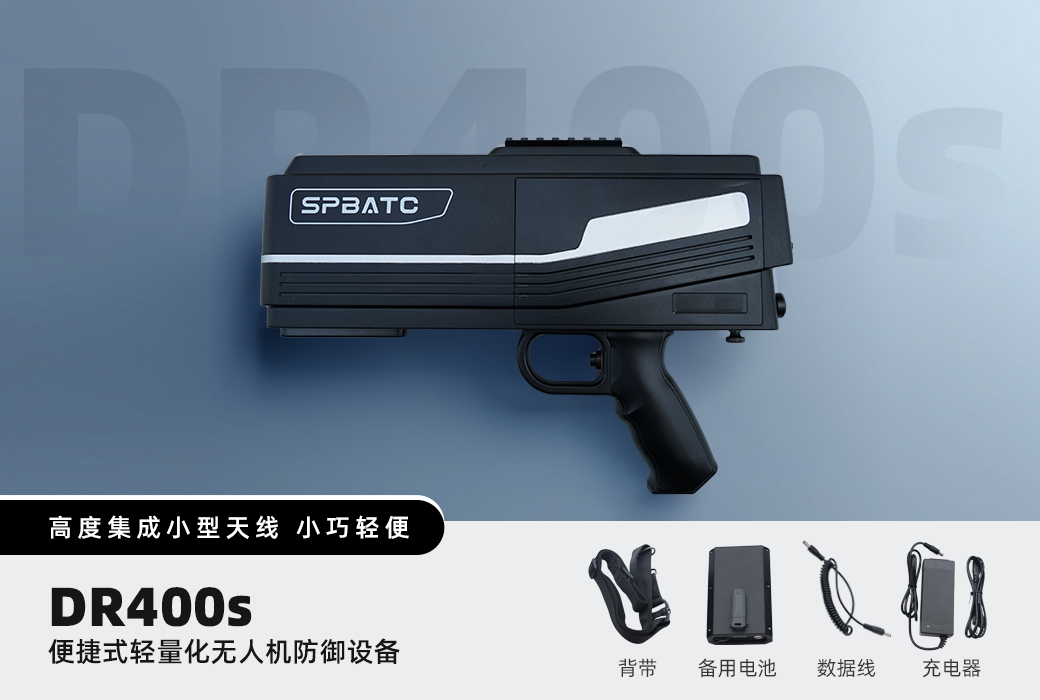
Handheld “Guns”: Tactical, directional jammers used for immediate, point-and-shoot defense.
-
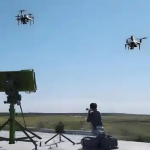
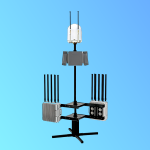
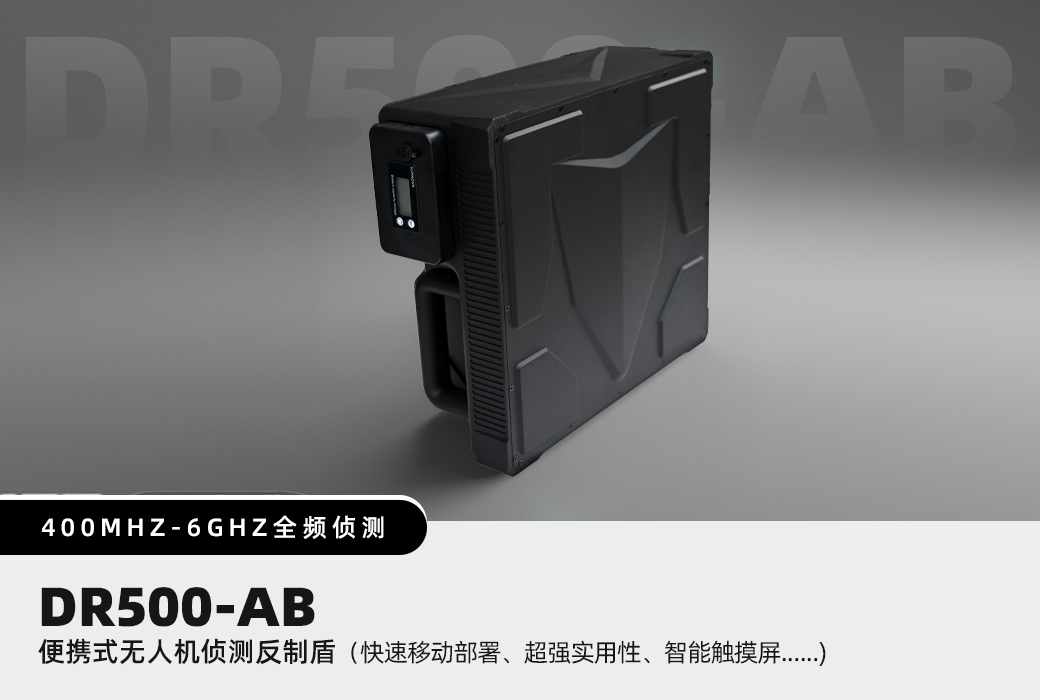
Fixed Systems: Omni-directional arrays that create a “no-fly bubble” around critical infrastructure like airports or power plants.
The Legal Landscape: Can You Use One?
It is crucial to understand that drone jammers are strictly regulated.
Warning: In many countries, including the U.S. (FCC), U.K. (Ofcom), and the EU, it is illegal for private individuals to operate or even own jamming equipment. Unauthorized use can interfere with emergency services, aviation communication, and cellular networks.
Typically, only government agencies, military branches, and authorized law enforcement are permitted to use this technology. Always consult local laws before seeking counter-UAS solutions.
The Future of FPV Countermeasures
As we move through 2026, the “cat and mouse” game continues. Drones are increasingly using frequency hopping and fiber-optic controls to bypass traditional jammers. The next generation of defense is shifting toward “Hard Kill” systems (physical interceptors) and high-energy lasers to ensure total airspace security.
Conclusion
The FPV drone jammer remains a vital tool in the electronic warfare kit. Whether for military defense or protecting critical infrastructure, staying ahead of frequency trends is the only way to maintain control of the skies.