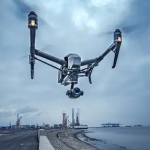
In recent years, illegal drone incidents have occurred frequently. From a seven-hour flight suspension at Tianjin Binhai International Airport, to drone surveillance risks in a chemical industrial park in Jiangsu, and attempted illegal drone intrusions during the Hangzhou Asian Games—these events have repeatedly raised security concerns.
As the low-altitude economy continues to expand, drones are deeply integrated into logistics, agriculture, inspection, and security operations. However, unauthorized drone activities pose significant threats to public safety, national defense, and critical infrastructure protection. Effectively countering drones has become a central issue in safeguarding low-altitude airspace.
I. Challenges of Traditional Anti-Drone Systems: Technological Gaps and Performance Bottlenecks
Traditional counter-UAV systems typically rely on single-technology solutions and face three major limitations.
1. Large Detection Blind Spots and Low Identification Accuracy
Conventional systems often depend on fixed-frequency jamming. However, modern drones widely adopt frequency-hopping communication technologies.
For example, certain consumer drones can switch between 128 frequency points within one second. Traditional systems struggle to achieve full-spectrum suppression. During flood rescue operations in Henan in 2025, three drones attempting to capture sensitive footage avoided interference through frequency hopping, exposing critical weaknesses in older countermeasure technologies.
2. Slow Response and Weak Coordination Capability
When facing coordinated multi-drone intrusions, traditional systems must suppress targets individually, resulting in response times of 3–5 seconds.
In a 2024 drone incident in Jingzhou, Hubei Province, only one out of three drones was intercepted. The remaining drones collided with high-voltage transmission towers, causing a regional power outage. In military contexts, similar challenges have been observed when drone swarms overwhelmed conventional air defense systems, highlighting cost-effectiveness imbalances.
3. High False Interference Rate and Compliance Risks
High-power jamming devices may unintentionally disrupt surrounding electronic systems.
In 2023, an anti-drone device deployed near an airport in Chongqing reportedly interfered with navigation systems, leading to delays of over 140 flights. In sensitive environments such as chemical plants and nuclear power stations, unintended electromagnetic interference may trigger chain reactions and irreversible consequences.
II. Next-Generation Counter-Drone Technologies: From Single Defense to Intelligent Collaboration
Modern anti-drone systems integrate multiple technologies and intelligent algorithms to establish a complete defense chain of detection, identification, decision-making, and counteraction.
1. Hybrid Interference Technology: Precise and Adaptive Countermeasures
New-generation systems utilize Gallium Nitride (GaN) wideband semiconductor materials, achieving power densities up to 20W/cm³—approximately five times higher than traditional silicon-based devices.
A dynamic power allocation algorithm adjusts output levels based on target distance:
-
At 1 km: Initiates 10W low-power navigation spoofing to simulate GPS signals and guide drones away from restricted areas.
-
Within 500 meters: Automatically switches to 500W high-power electromagnetic suppression, disrupting video transmission and control links.
-
Within 100 meters: Activates multispectral thermal imaging to identify payload types (such as fireworks or hazardous materials) and deploys net capture mechanisms.
2. AI Empowerment: From Passive Response to Predictive Defense
Artificial intelligence acts as the “brain” of modern counter-UAV systems.
At an international drone application and defense conference, an AI-powered anti-drone platform demonstrated its ability to analyze flight trajectories, communication patterns, and payload data through deep learning models, enabling automated threat-level assessment.
During a joint exercise in 2025, the system achieved:
-
Predictive capability: Identified the simulated flight paths of 200 swarm drones 30 seconds in advance.
-
Coordinated suppression: Simultaneously generated 128 interference frequency points, enabling one-to-one precision suppression.
-
Cost efficiency: Reduced interception cost to approximately $0.12 per drone, significantly lower than traditional missile-based solutions.
3. Multi-Domain Coordination: Building a Layered Defense Network
Through modular design, next-generation systems adapt to diverse scenarios:
-
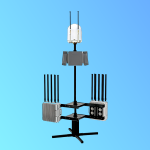
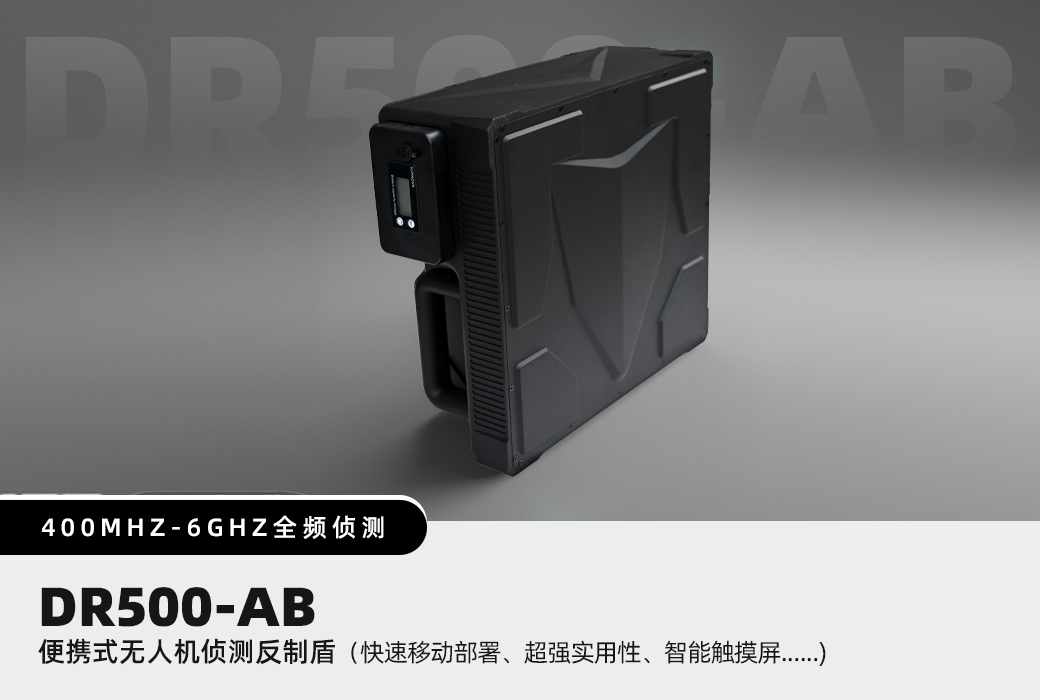
Fixed Base Stations: Deployed at nuclear facilities and oil pipelines, forming a 5 km protection perimeter.
-
Vehicle-Mounted Units: Rapidly establish temporary defense networks during military exercises.
-
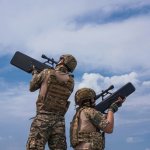
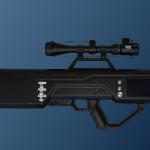
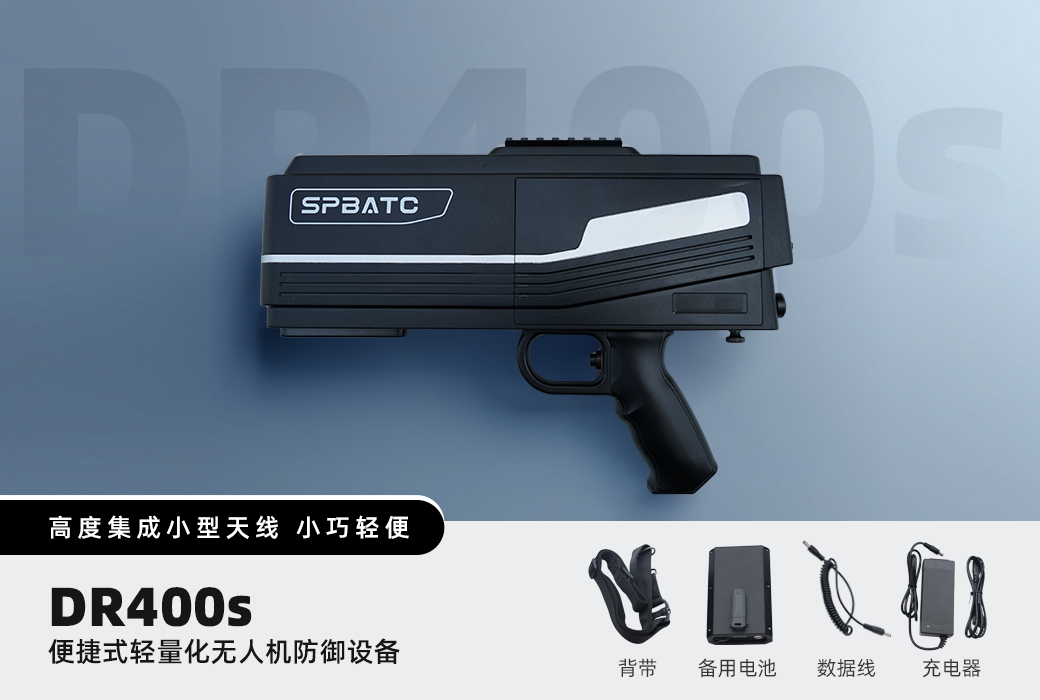
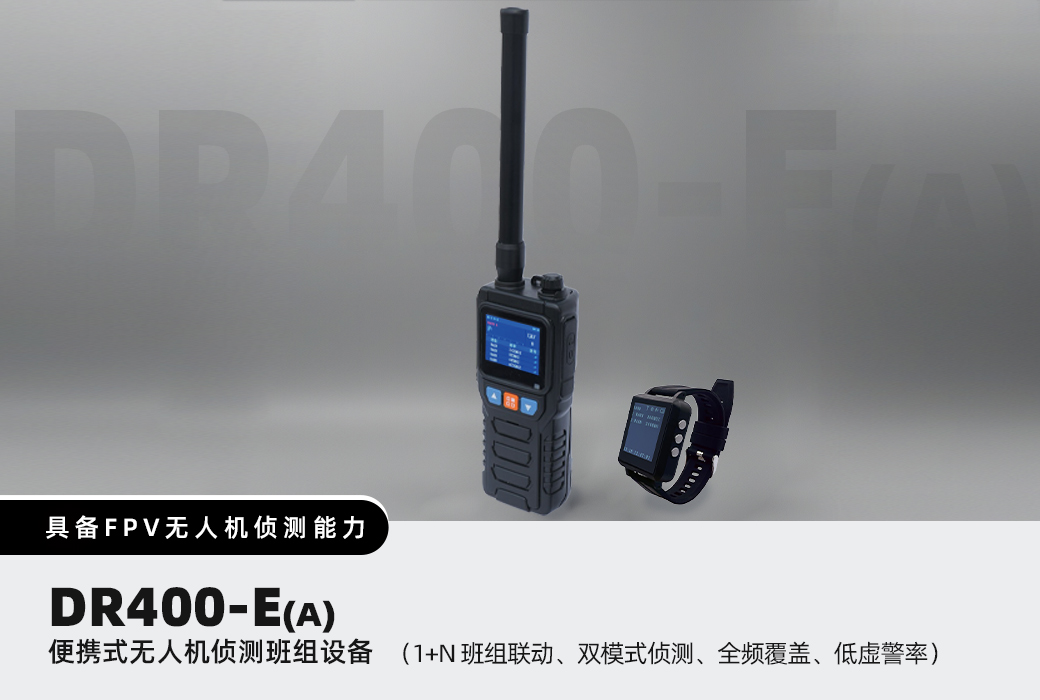
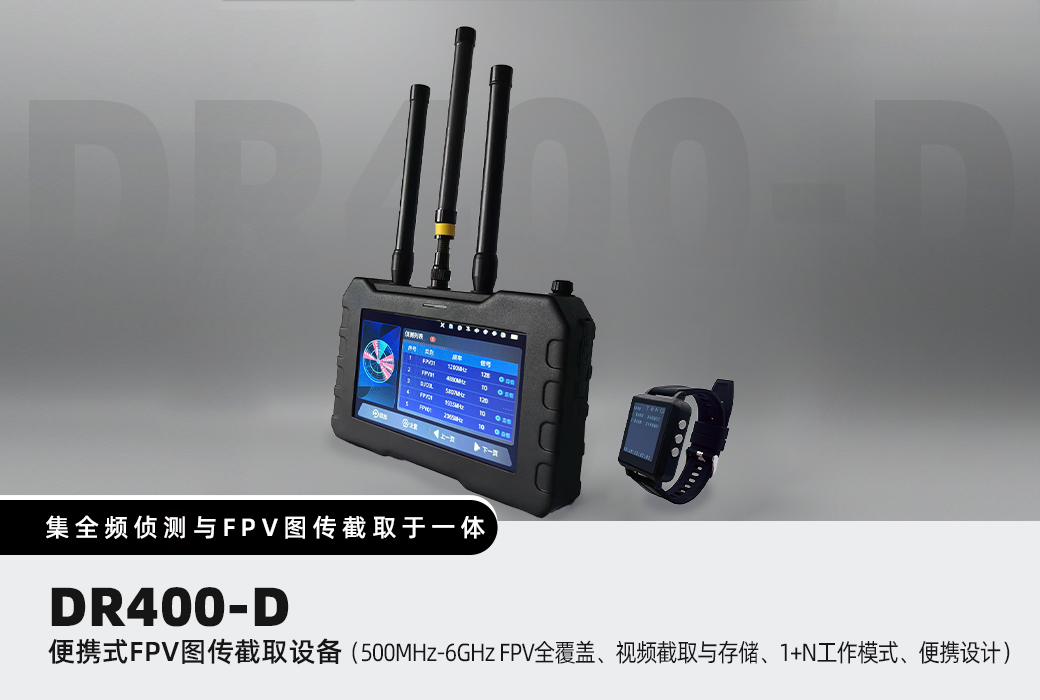
Portable Handheld Devices: Weighing only 1.5 kg, enabling rapid deployment by law enforcement during public events.
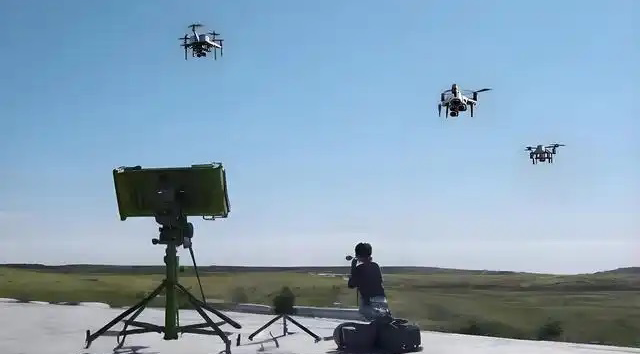
During a major international sporting event, a coordinated deployment of 20 systems established an electromagnetic protection zone, intercepting 17 unauthorized drone attempts without affecting legitimate communication signals.
This integrated “fixed + mobile + portable” architecture shifts low-altitude defense from reactive response to proactive management.
III. Future Outlook: Technological Evolution and Industry Transformation
As drone technologies continue to advance, counter-drone systems are evolving toward greater integration, intelligence, and cost efficiency.
1. Technology Convergence
Deep integration of radar, electro-optical sensors, RF detection, and AI algorithms will enhance full-scenario adaptability.
2. Standardization
The development of interoperable international protocols will accelerate industry scalability and cooperation.
3. Ecosystem Collaboration
Manufacturers, end users, and regulatory authorities will work together to build a secure and sustainable low-altitude economic ecosystem.
Conclusion
In an era where drones bring both innovation and security challenges, advanced anti-drone technologies are essential for maintaining safe and controlled airspace. By integrating GaN RF modules, AI-driven analytics, and multi-layer defense systems, next-generation counter-UAV solutions provide precise, efficient, and scalable protection for critical infrastructure and public safety.
Investing in intelligent anti-drone technology is no longer optional—it is a strategic necessity in the evolving low-altitude security landscape.