As unmanned aerial vehicle (UAV) technology continues to evolve, security threats in low-altitude airspace are becoming more complex. Traditional single-function countermeasures are often insufficient to address diverse drone risks. This is why modular counter-drone systems are gaining popularity in both public and private security sectors.
A modular architecture provides flexibility, scalability, and long-term adaptability—key factors in modern counter-UAS deployment.
What Are Modular Counter-Drone Systems?
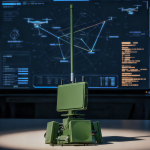
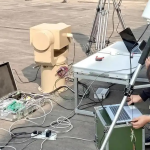
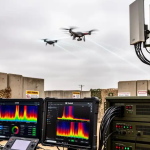
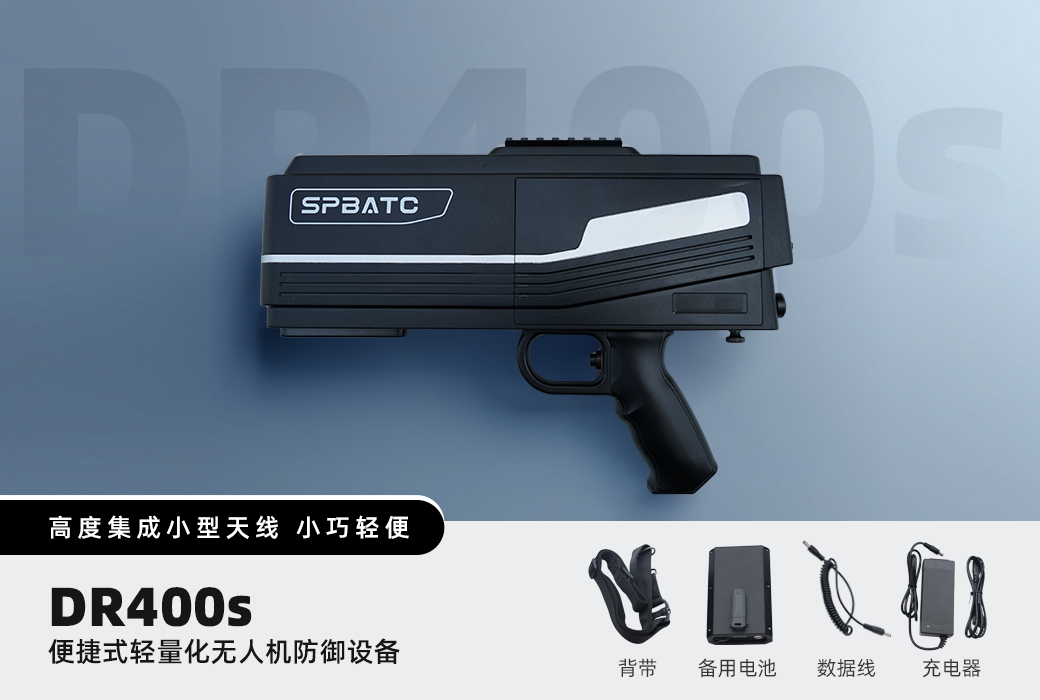
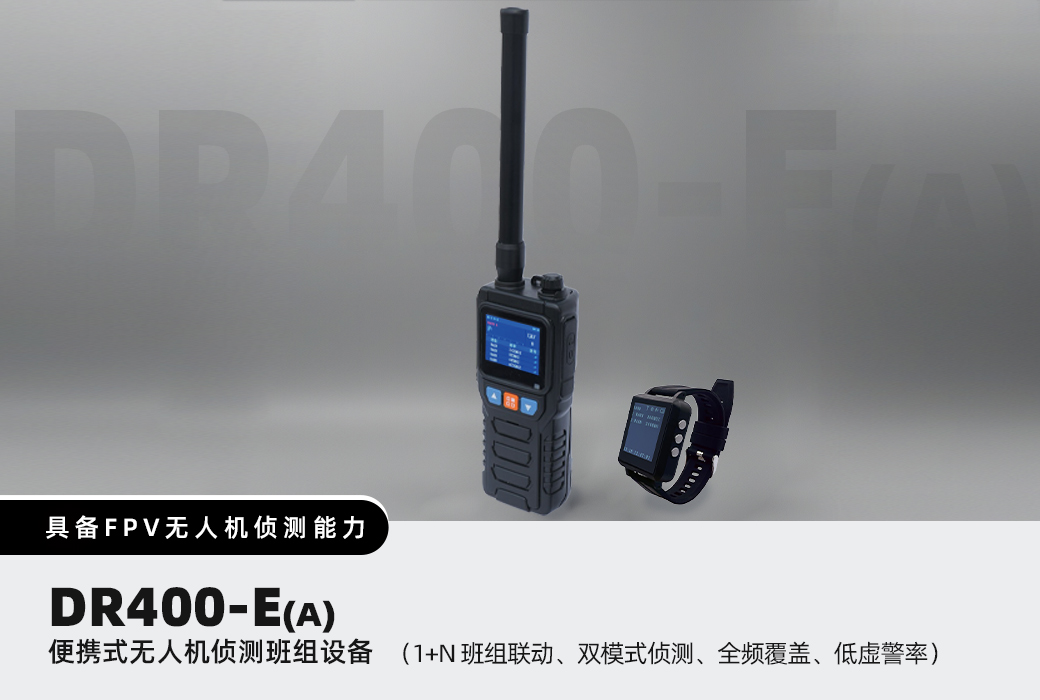
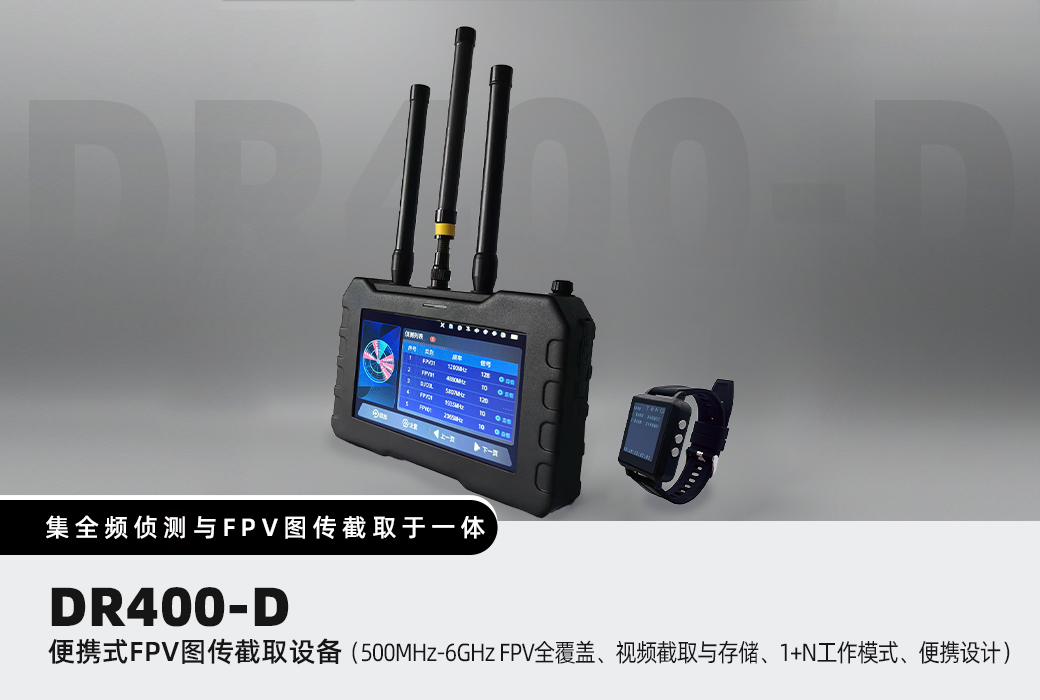
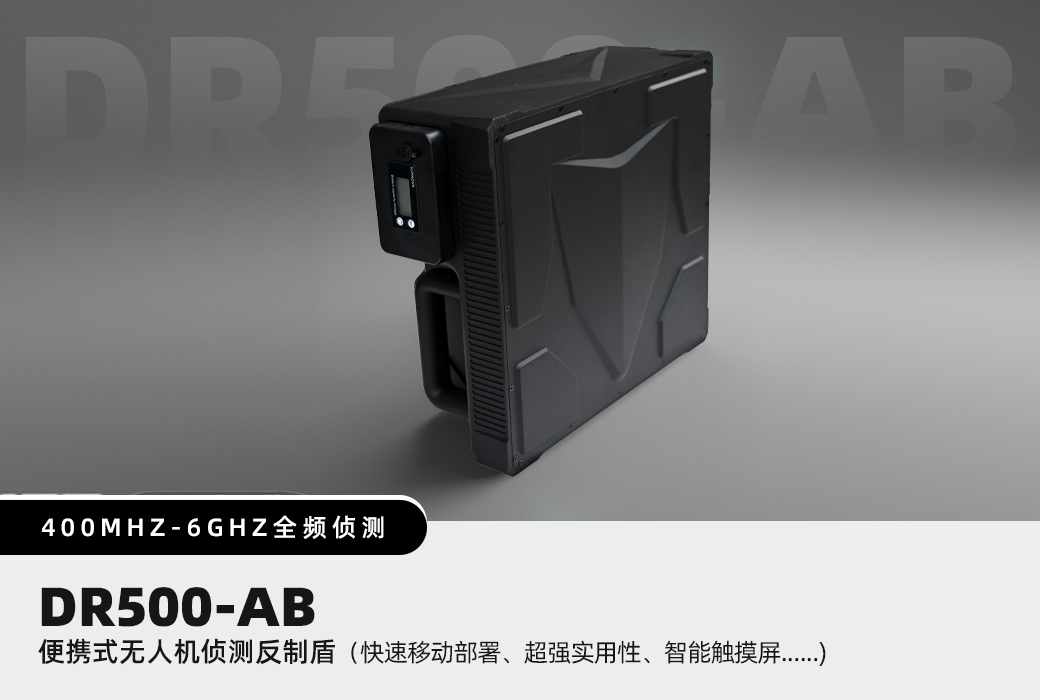
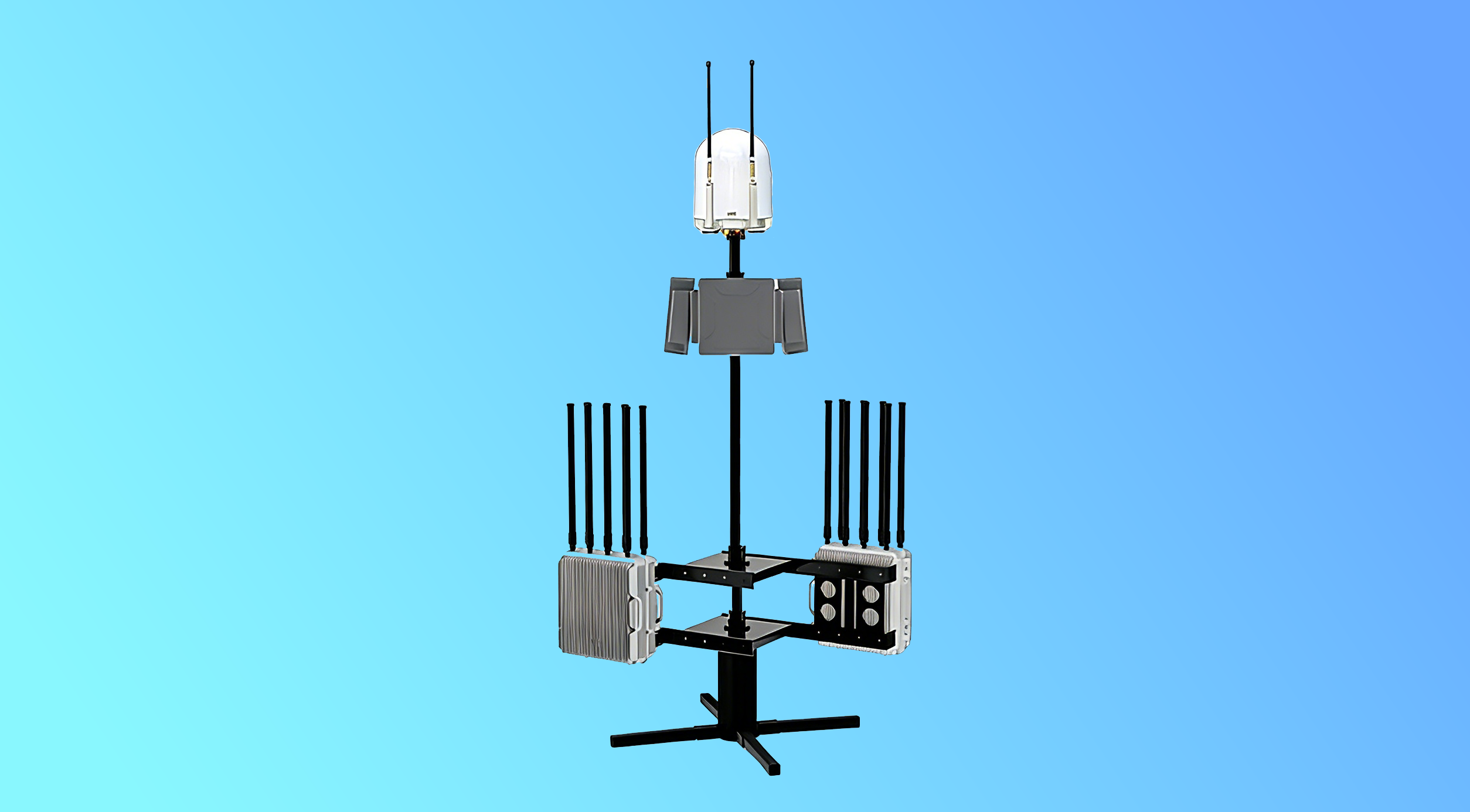
Modular counter-drone systems are built using independent yet interconnected components. Instead of relying on a single device, the system integrates multiple functional modules such as:
-
RF detection units
-
Radar surveillance modules
-
Optical tracking systems
-
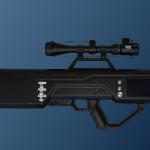
Signal jamming modules
-
Command and control (C2) platforms
Each module performs a specific task, and all components work together through a centralized management system.
This structured approach allows organizations to customize protection strategies based on operational requirements and budget constraints.
Core Advantages of Modular Architecture
1. Scalability
One of the primary benefits of modular counter-drone systems is scalability. Organizations can begin with essential detection modules and expand the system later by adding tracking or mitigation components.
This phased investment strategy reduces initial costs while preserving future upgrade potential.
2. Flexibility Across Scenarios
Different environments require different defense strategies. For example:
-
Airports require wide-area radar and RF coverage.
-
Industrial facilities may prioritize fixed RF monitoring and automatic response.
-
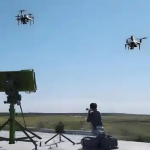
Large events need mobile vehicle-mounted units for temporary deployment.
A modular design allows each scenario to use a tailored combination of components without replacing the entire system.
3. Easier Maintenance and Upgrades
In a modular counter-UAS system, individual modules can be serviced or upgraded independently. If a new drone communication protocol emerges, only the RF module may need updating rather than the entire infrastructure.
This significantly reduces downtime and long-term maintenance costs.
4. Technology Integration Capability
Modern drone defense requires multi-layer detection. Modular systems allow seamless integration of:
-
RF spectrum analysis
-
3D radar tracking
-
AI-powered optical recognition
-
Automated countermeasure triggering
By combining these technologies, operators gain better threat identification accuracy and faster response times.
Key Design Principles of Modular Counter-Drone Systems
Designing an effective modular system requires careful planning and engineering. Below are the essential principles.
Layered Detection and Response
An efficient system should follow a layered defense model:
-
Early detection (RF and radar monitoring)
-
Target identification (optical and database comparison)
-
Threat assessment (AI-assisted analysis)
-
Countermeasure activation (jamming or mitigation systems)
This structure minimizes false alarms and ensures proportional response.
Open Interface Architecture
To maintain long-term adaptability, modular systems should support open communication protocols and standardized interfaces. This allows third-party sensors, software, or countermeasure devices to be integrated without complex redevelopment.
Open architecture also prevents vendor lock-in.
Centralized Command and Control (C2)
Although the system is modular, management should be centralized. A unified C2 platform ensures:
-
Real-time data fusion
-
Visual threat mapping
-
Automated alert systems
-
Remote control and monitoring
Central coordination increases operational efficiency and reduces human error.
Environmental Adaptability
Deployment conditions vary significantly between urban, industrial, border, and airport environments. Designers must account for:
-
Electromagnetic interference
-
Terrain obstacles
-
Weather conditions
-
Power supply availability
Flexible mounting options and mobile modules enhance environmental adaptability.
Application Scenarios
Modular counter-drone systems are widely used in:
-
Airports and aviation security
-
Government facilities
-
Military bases
-
Energy and petrochemical plants
-
Large public events
-
Border and coastal surveillance
Each application benefits from tailored module combinations and scalable architecture.
Why Modular Systems Represent the Future of Counter-UAS
Drone threats evolve quickly. Fixed, single-function systems struggle to keep up with new communication bands, swarm tactics, and autonomous flight technologies.
Modular counter-drone systems offer a future-ready solution by allowing incremental upgrades, multi-technology integration, and scenario-based customization. This design philosophy ensures long-term protection while optimizing investment efficiency.
Conclusion
Modular counter-drone systems combine scalability, flexibility, and technological integration into a unified airspace defense strategy. By adopting layered detection, open architecture, and centralized control, organizations can build adaptable counter-UAS solutions that evolve alongside emerging drone threats.
As low-altitude security becomes increasingly important, modular design is no longer optional—it is essential for sustainable and intelligent airspace protection.