Where are Drone Defense Systems Needed? Top 5 Critical Deployment Scenarios
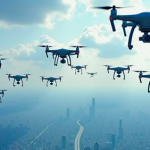
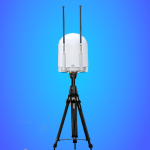
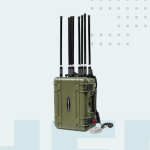
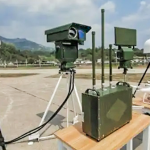
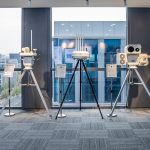
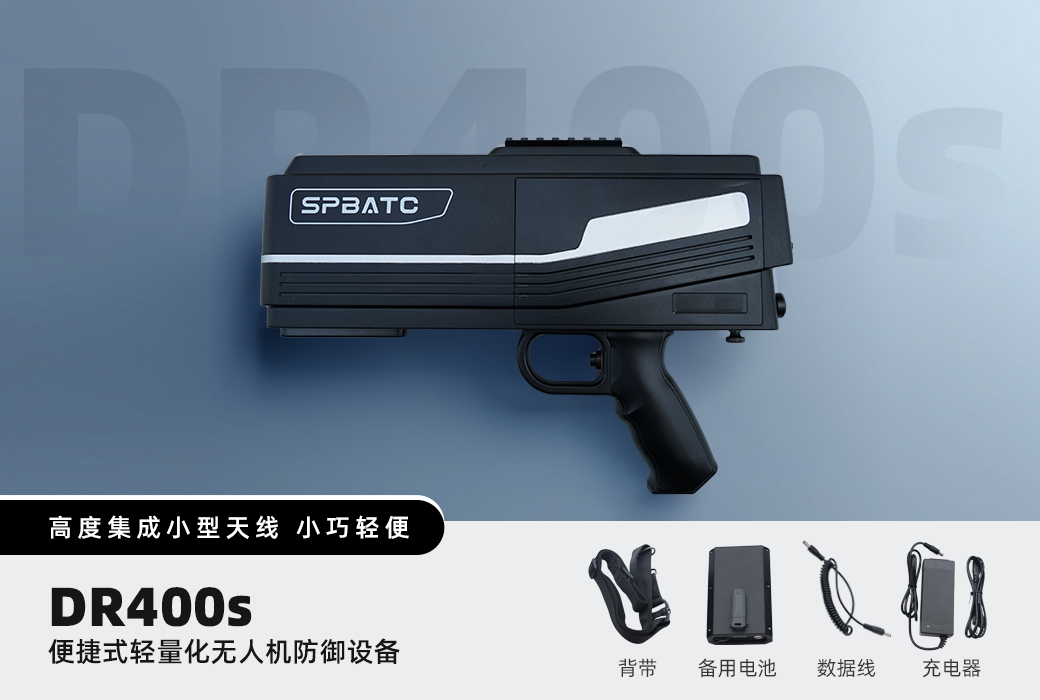
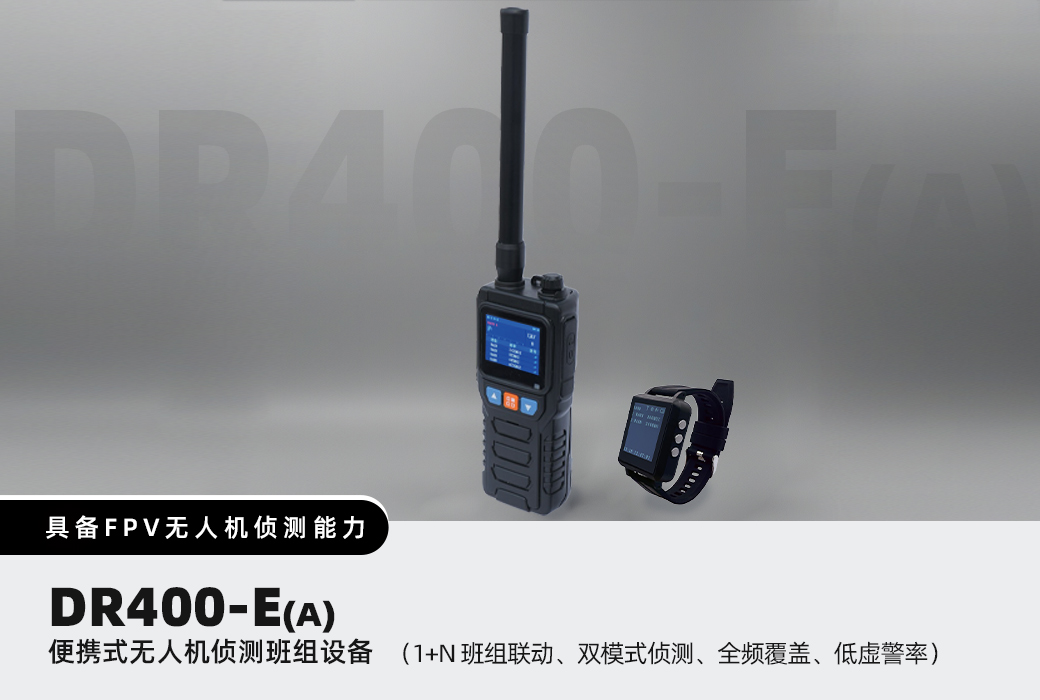
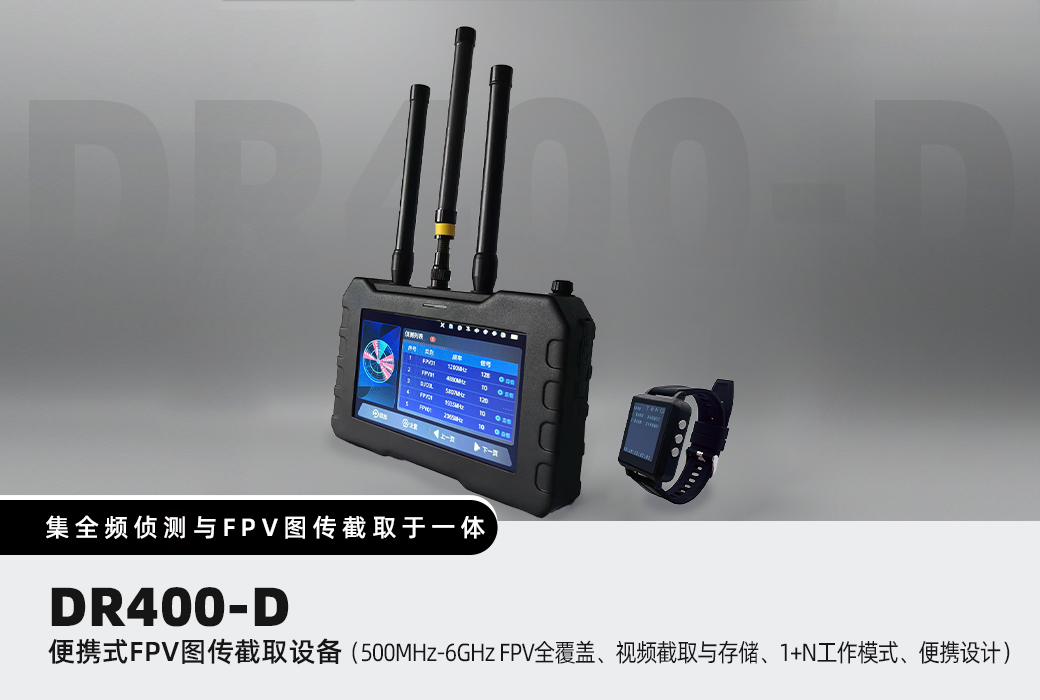
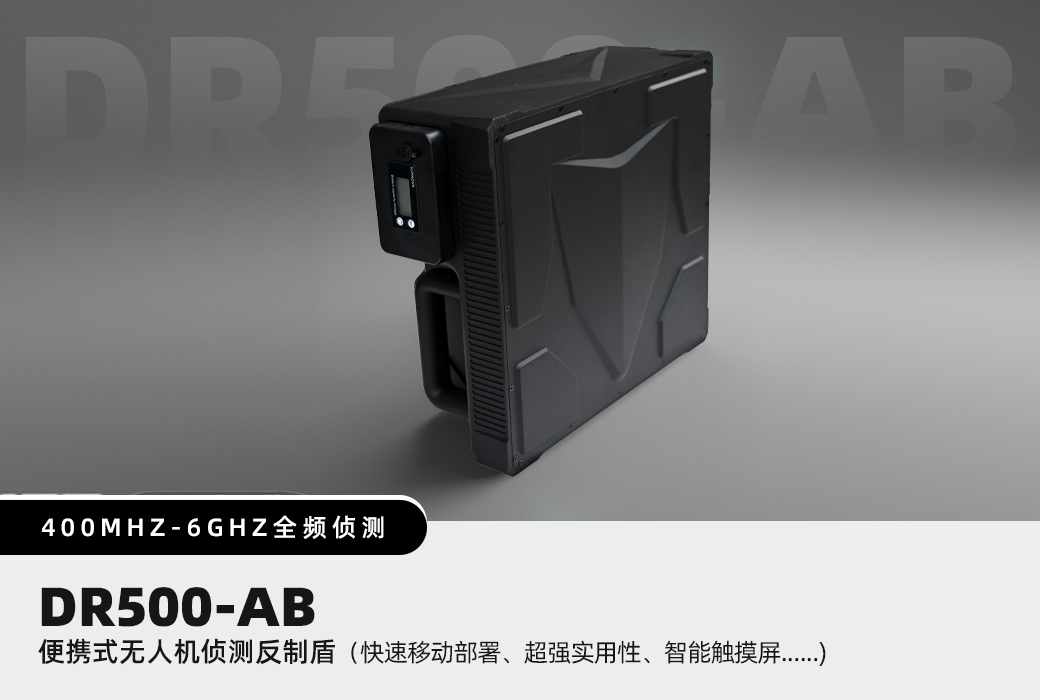
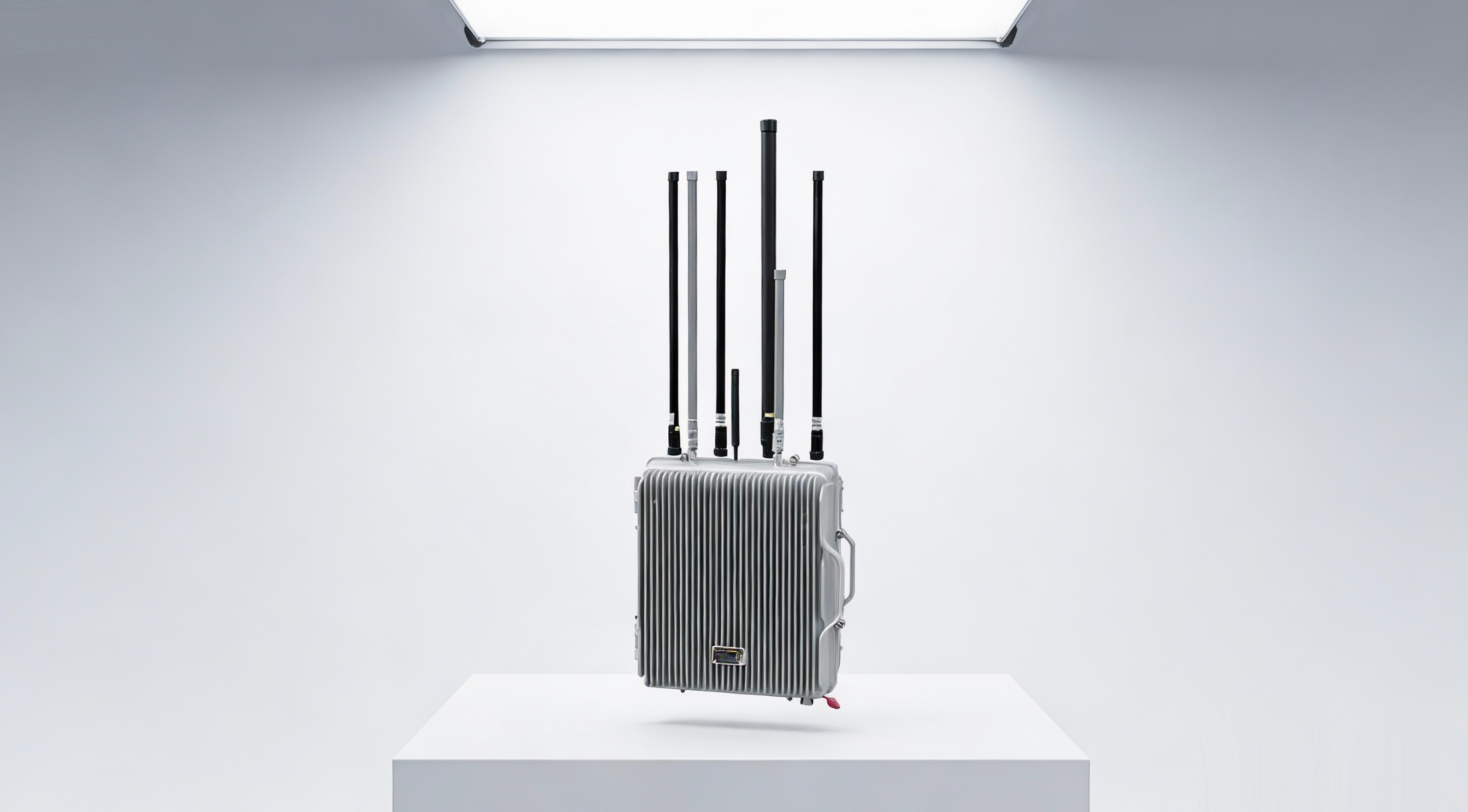
A Drone Defense System—often referred to as a drone jammer or interceptor—utilizes radio frequency, radar, acoustics, and laser technology to neutralize unauthorized “black flights.” As consumer drones become more advanced, the risks of privacy invasion and security breaches in sensitive areas have escalated.
To maintain a safe and secure airspace, here are the five primary scenarios where anti-drone systems are indispensable.
1. Airports and Aviation Hubs
Aviation safety demands a zero-tolerance policy for airspace interference. While airports have long used bird-deterrent systems, the rise of unauthorized drones in airport clearance zones poses a much greater threat. A single drone can ground hundreds of flights or cause catastrophic engine failure. Deploying a defense system ensures a “clean” airspace, protecting both operational continuity and passenger lives.
2. Prisons and Correctional Facilities
Prisons require high-level security to prevent contraband delivery and escapes. Criminals have begun using drones to bypass perimeter walls, smuggling drugs, phones, or weapons, and conducting aerial reconnaissance of guard patterns. An anti-drone system creates a digital “no-fly zone,” intercepting these aerial threats before they can reach the facility’s interior.
3. Petrochemical and Industrial Plants
For the oil and gas industry, drones present two major risks:
-
Corporate Espionage: Unauthorized aerial photography of refineries and pipelines can lead to the theft of trade secrets.
-
Explosion Hazards: Petrochemical sites often contain flammable and explosive gases. A drone crashing or malfunctioning near sensitive equipment could trigger a devastating fire or explosion, leading to mass casualties and economic loss.
4. Large-Scale Public Events
Major events, such as sports stadiums, music festivals, and political rallies, are high-density targets. Security teams use drone defense systems to prevent drones from flying over crowds—protecting attendees from potential physical harm (if a drone falls) and ensuring the exclusive broadcasting rights of the event organizers.
5. Military Bases and National Defense
In military contexts, counter-UAV systems are vital for survival. They are used for:
-
Protection: Shielding military bases and command centers from enemy surveillance.
-
Reconnaissance: Detecting and neutralizing tactical enemy drones used for intelligence gathering.
-
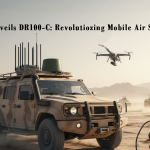
Counter-Strike: Preventing “loitering munitions” (kamikaze drones) from reaching high-value strategic targets, thereby reducing the risk to personnel.
Conclusion
As drone technology continues to evolve, the demand for sophisticated defense systems is no longer limited to the battlefield. Whether it is protecting the privacy of a VIP or the safety of a major international airport, anti-drone technology is the invisible shield required for modern security.