FPV Drone Jammer: Technology, Legality, and Practical Applications
The rapid proliferation of drones, particularly First-Person View (FPV) drones used for recreation, photography, and increasingly, in complex scenarios, has raised significant security and privacy concerns. This has led to a growing interest in counter-drone technologies, with the FPV drone jammer being a prominent and often discussed solution. This comprehensive guide delves into what an FPV drone jammer is, how it works, its legal landscape, and its responsible applications.
What is an FPV Drone Jammer?
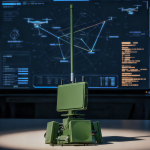
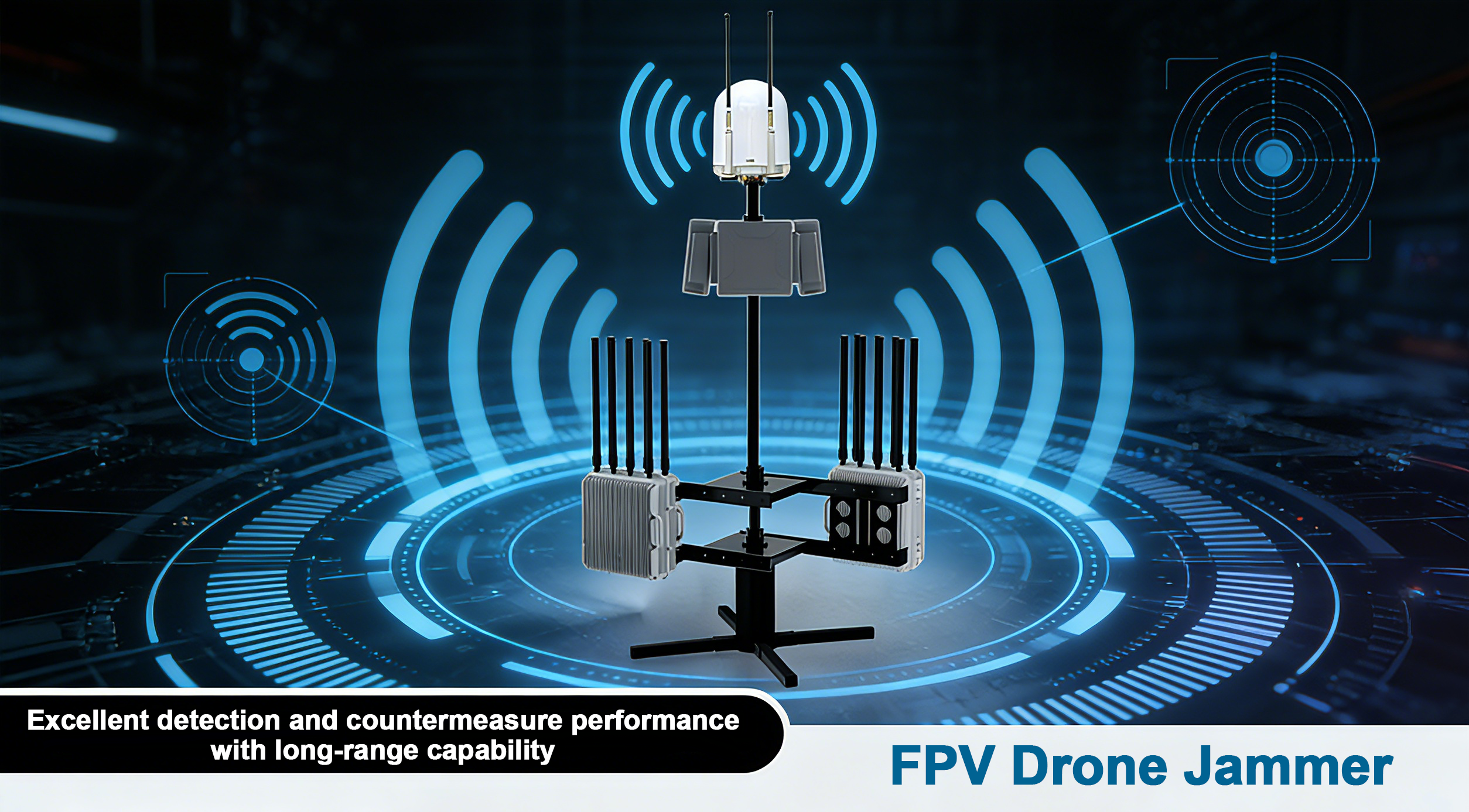
An FPV drone jammer is a radio frequency (RF) disruption device designed to neutralize drones by interfering with their critical communication links. Unlike simple remote-controlled toys, FPV drones rely on a constant stream of data between the pilot’s transmitter, the drone’s flight controller, and, often, a video downlink. A jammer targets these specific frequencies.
Core Targeted Signals:
-
Command & Control Link: Typically operates on 2.4 GHz (Wi-Fi/Bluetooth spectrum) or 900 MHz bands. Jamming this severs the pilot’s control.
-
GPS/GNSS Signal: Jams the L1 (1575.42 MHz) and sometimes L2 frequencies. This denies the drone positioning data, often triggering a “fail-safe” mode (e.g., hover, land, or return-to-home).
-
FPV Video Downlink: Often uses 5.8 GHz. Jamming this disrupts the pilot’s live video feed, effectively blinding the operator.
By transmitting high-power noise or protocol-specific disassociation signals on these bands, the jammer creates a “bubble” of interference, causing the drone to lose control, navigation, and vision.
How Does an FPV Drone Jammer Work?
Jammers are not “hackers”; they do not take over the drone. They are disruptors. The process is generally as follows:
-
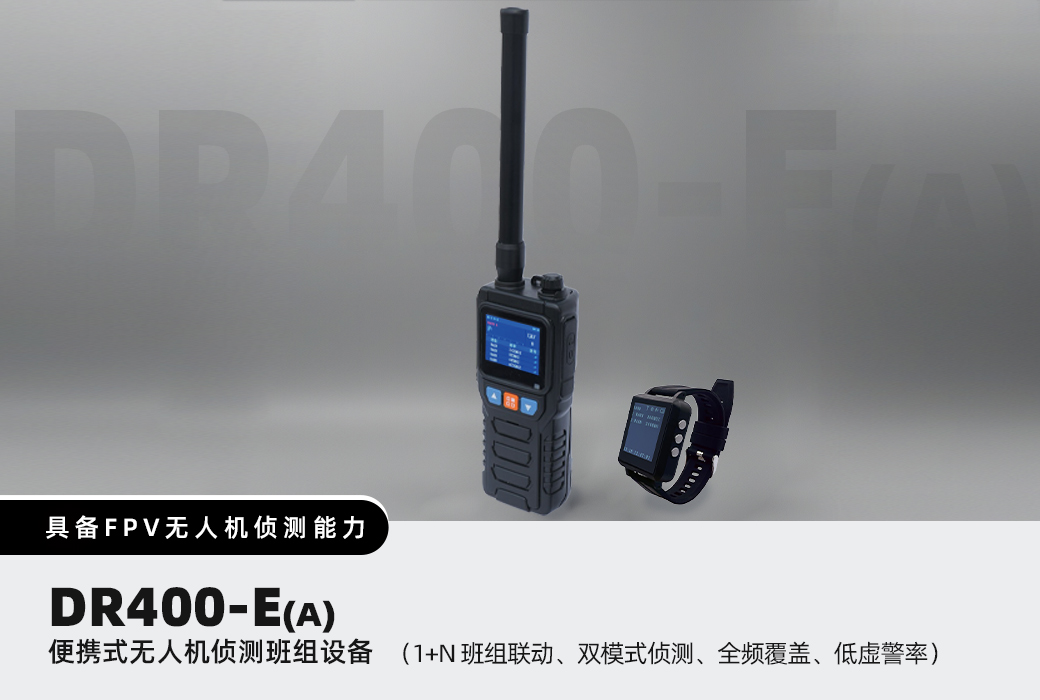
Detection & Activation: Advanced systems first use radar, RF scanners, or acoustics to detect a drone’s presence. The jammer is then directed towards the threat.
-
Directional Jamming: Most professional jammers use directional antennas (like a rifle) to focus energy on the target. This increases effectiveness and reduces collateral interference.
-
Signal Disruption: The device broadcasts powerful RF signals on the target frequencies, overwhelming the legitimate signals between the drone and its operator.
-
Drone Neutralization: The drone, losing C2 and/or GPS, enters its pre-programmed fail-safe mode. This usually results in a forced landing, a return to its point of origin, or a controlled descent.
Types of Anti-Drone Jammers
-
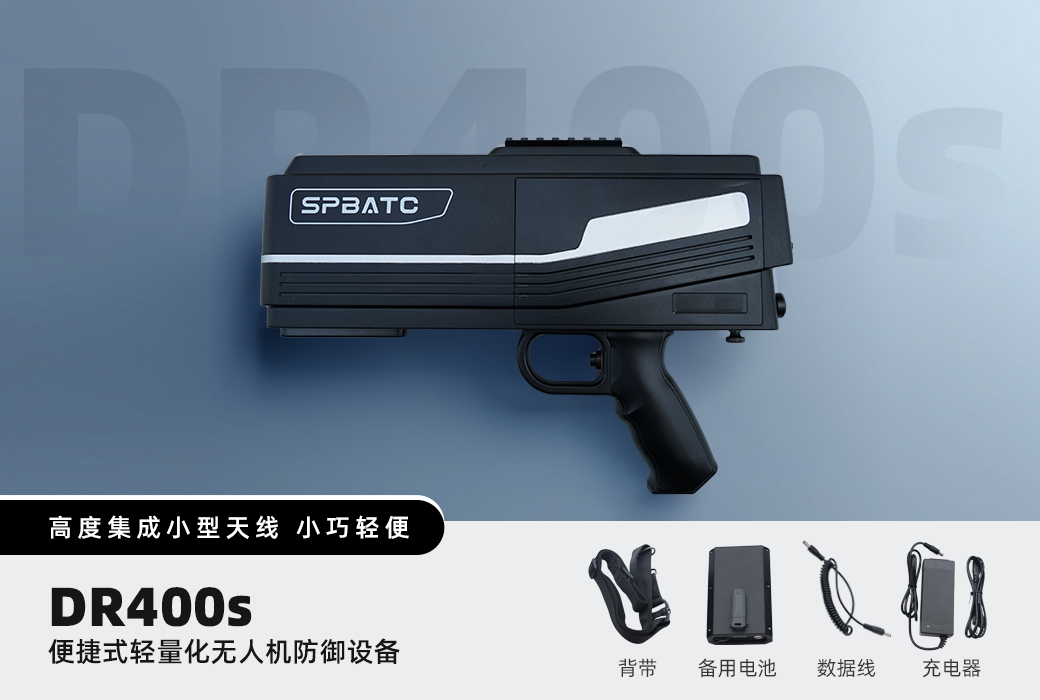
Handheld Jammers: Rifle-shaped, portable devices for mobile, short-range defense (a few hundred meters to 2 km).
-
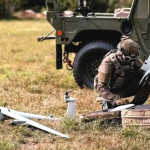
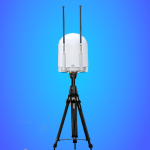
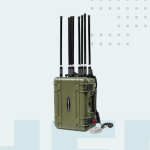
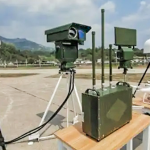
Fixed/Static Site Jammers: Installed to protect permanent facilities like airports, prisons, or government buildings. They offer wider coverage and higher power.
-
Vehicle-Mounted Systems: Integrated on cars or boats for convoy protection or mobile event security.
-
Drone-Mounted Jammers: Counter-drone UAVs that can fly towards a threat and jam it at closer range.
Critical Legal and Ethical Considerations
The legality of drone signal jammers is highly restricted in almost all countries, including the United States, Canada, the UK, and across the European Union.
-
Federal Regulations: In the USA, the use of any device that intentionally interferes with licensed radio communications (including GPS, which is federally protected) is illegal under FCC rules. Substantial fines and criminal penalties apply.
-
Authorized Use Exceptions: Typically, only designated federal, state, and military entities (e.g., Secret Service, DoD, FAA) are legally permitted to deploy jamming technology for specific, authorized security operations.
-
Collateral Damage: Jammers are non-discriminatory. In an area, they can disrupt all wireless communications—cell phones, Wi-Fi, emergency responder radios, and legitimate navigation systems, creating significant public safety hazards.
Important: Always consult with national telecommunications and aviation authorities (like the FCC or FAA in the U.S.) before considering the purchase or use of such equipment. For private entities, alternative, often legal-first, measures like geofencing, drone detection systems, and pilot identification are recommended.
Legitimate Use Cases for Authorized Entities
-
Critical Infrastructure Protection: Defending power plants, oil refineries, and water treatment facilities from surveillance or payload drops.
-
Event Security: Safeguarding major public events, political summits, or sporting stadiums from unauthorized drone incursions.
-
Military and Border Security: Denying adversarial drone use for reconnaissance or explosive delivery in conflict zones and along borders.
-
Prison Security: Preventing contraband delivery (drugs, weapons, phones) via drones into prison yards.
-
Airport Safety: Creating a last-line-of-defense perimeter against drones that breach restricted airspace and pose a collision risk.
Factors to Consider When Evaluating Systems (For Authorized Buyers)
-
Jamming Range and Power: Must be appropriate for the protected zone.
-
Directional Precision: Minimizes collateral impact.
-
Frequency Bands: Should cover all common drone protocols (ISM bands, GNSS).
-
Integration Capability: Can it work with detection and tracking systems?
-
Cooling and form factor: For sustained operation and deployment needs.
Conclusion
FPV drone jammers are powerful, effective tools within the counter-drone technology arsenal. However, they are strictly regulated weapons of signal warfare, not consumer gadgets. Their use is rightly reserved for authorized government and security personnel in high-stakes scenarios due to significant legal and collateral risks. For most organizations, seeking compliant drone defense solutions that prioritize detection, identification, and legal mitigation is the necessary and responsible path forward. Understanding the technology’s capabilities and profound limitations is the first step in navigating the complex field of airspace security.