Why FPV Drones Are Harder to Jam Than Commercial UAVs
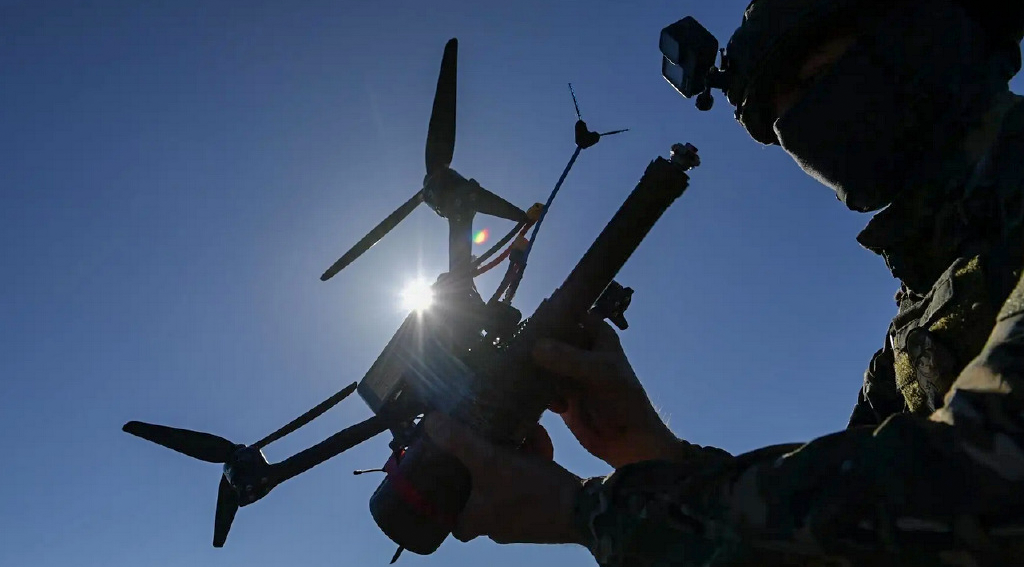
As counter-drone (C-UAV) technology evolves, operators and security professionals face a clear divide in jamming effectiveness between commercial drones and FPV (First-Person View) drones. While commercial UAVs from brands like DJI often rely on standardized communication protocols and can be disrupted with targeted RF jamming, FPV drones—especially those used in racing, freestyle, and tactical applications—prove significantly more resistant to conventional jamming methods. This article explains the key technical and operational reasons behind this challenge.
1. Frequency Agility & Hopping Spread Spectrum (FHSS)
Many commercial drones operate on fixed or predictable frequency bands (e.g., 2.4 GHz, 5.8 GHz). In contrast, FPV systems often use FHSS or adaptive frequency hopping, rapidly switching across multiple channels within a band to avoid interference. This makes it difficult for narrowband or even swept jammers to maintain effective suppression.
2. Analog vs. Digital Video Transmission
Most FPV drones transmit analog video signals, which degrade gradually under interference rather than cutting out completely like digital feeds. This allows pilots to maintain situational awareness even in noisy RF environments. Digital systems used in commercial drones, however, often fail abruptly when signal integrity drops below a threshold.
3. Low-Latency Control Links
FPV pilots rely on ultra-low-latency control links, often using lightweight protocols optimized for responsiveness. These links can reacquire signal quickly after transient interference, unlike some commercial UAVs that may enter failsafe modes (e.g., hover, land, or return-to-home) more readily.
4. Custom and Diversified Protocols
The FPV ecosystem is built on a variety of open and custom protocols (e.g., ExpressLRS, Crossfire, TBS), unlike the more uniform systems used by mainstream commercial drones. This diversity requires jamming systems to cover a wider range of signal characteristics and modulations.
5. Manual Pilot Override
FPV pilots often fly in “manual” or “acro” mode, with no GPS dependency or high-level autonomy. Even if the control link is briefly interrupted, a skilled pilot can regain control once the signal returns, whereas many commercial drones will trigger autonomous safety behaviors that make them vulnerable during jamming.
6. Physical and Operational Adaptability
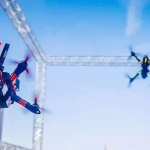
FPV drones are often smaller, faster, and more maneuverable, allowing pilots to quickly fly out of jamming zones or behind obstacles. Their operational patterns are also less predictable compared to pre-programmed commercial drone flights.
Conclusion: Adapting Counter-Drone Strategies
Jamming FPV drones requires a more advanced, broad-spectrum, and adaptive approach than targeting commercial UAVs. Effective C-UAV systems must account for frequency agility, analog resilience, protocol diversity, and the human pilot’s ability to compensate for interference. As FPV technology continues to advance, so too must the countermeasures designed to detect, track, and neutralize these agile and resilient platforms.