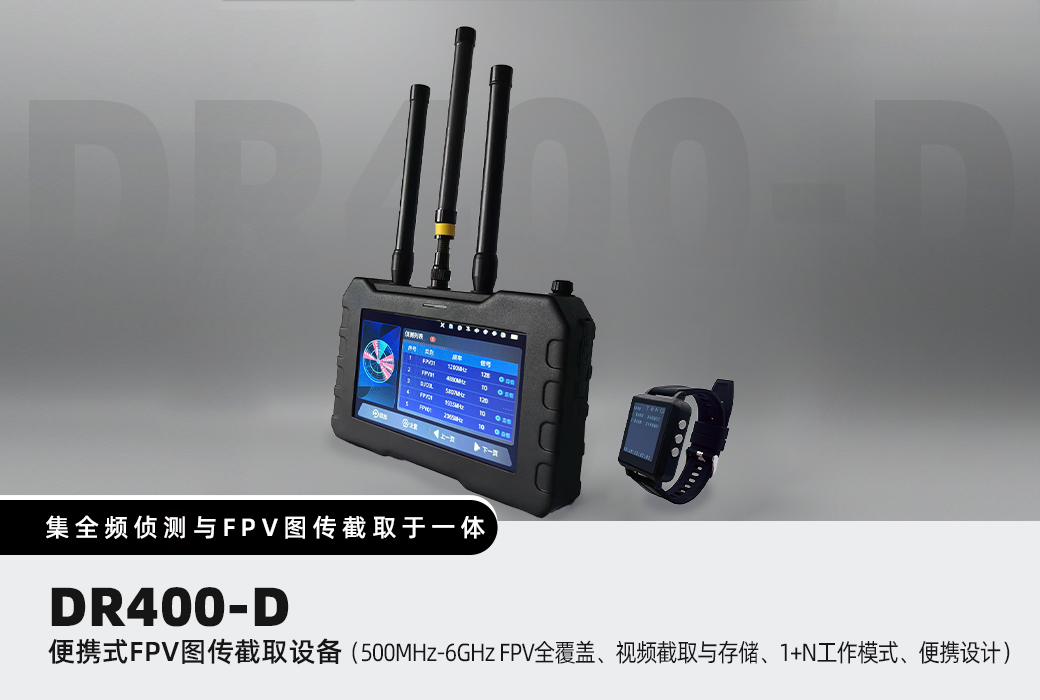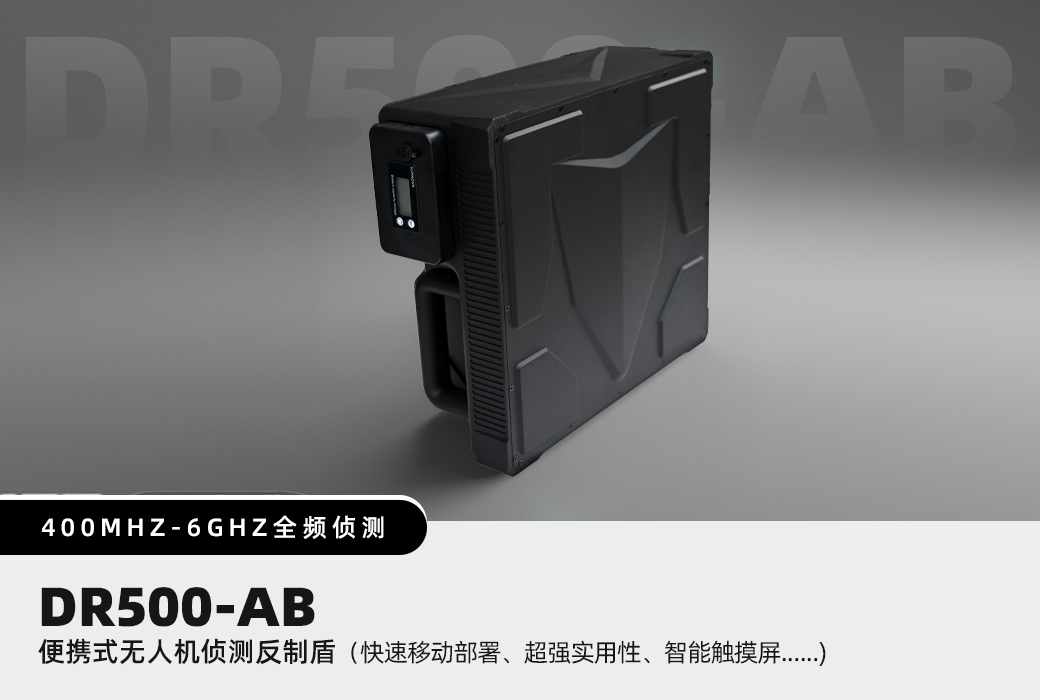
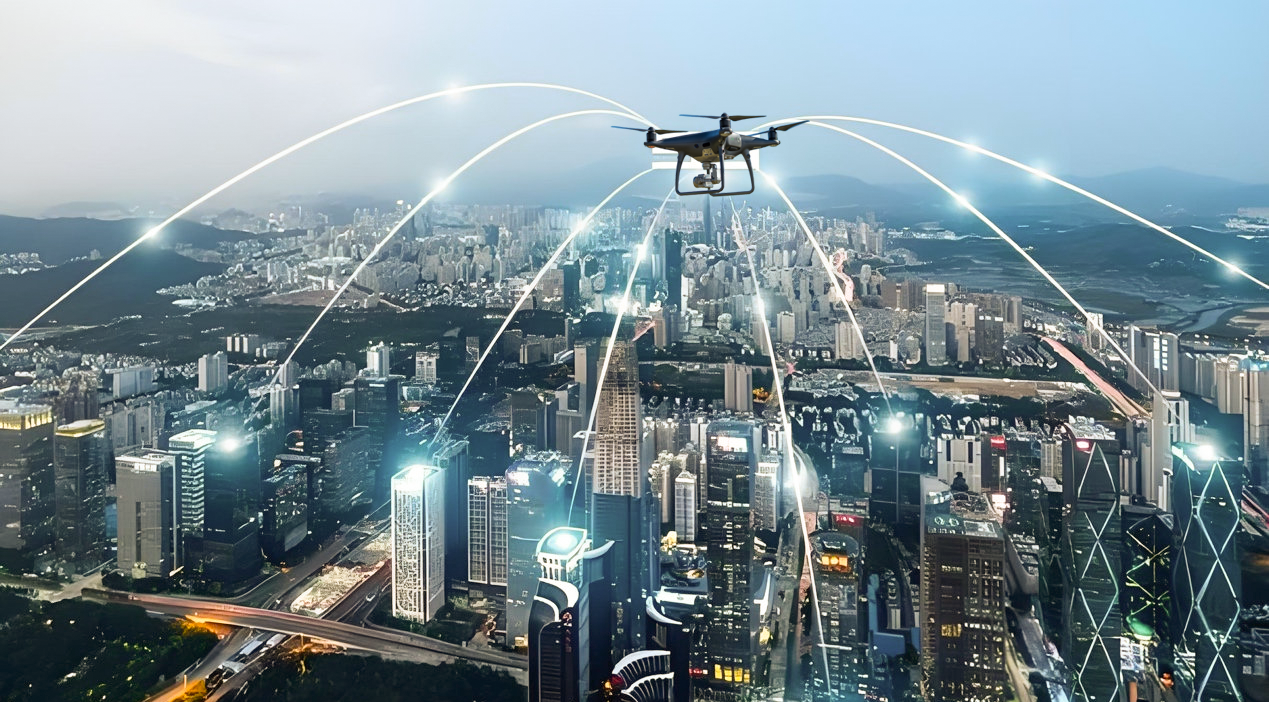
The global Counter-Unmanned Aerial System (C-UAS) market has seen significant growth, and China has emerged as a major hub for the research, development, and manufacturing of advanced drone jammer technology. Chinese firms are recognized for producing a wide array of systems, from portable units to large-scale integrated defense solutions. This article provides an overview of the China drone jammer landscape, its technological capabilities, and critical factors for international buyers and security professionals.
China’s Position in the Global C-UAS Market
China’s robust electronics manufacturing ecosystem, coupled with substantial R&D investment in both commercial drones and counter-drone technologies, has positioned it as a key player. Chinese manufacturers are known for:
-
Cost-Effectiveness: Offering competitive pricing for feature-rich systems.
-
Rapid Innovation: Quickly adapting to new drone threats and communication protocols.
-
Scalable Production: Capable of manufacturing at volume for both domestic and export markets.
Technological Capabilities of Chinese Drone Jammers
Modern Chinese C-UAS systems often incorporate sophisticated technology that matches global standards. Key features commonly found include:
-
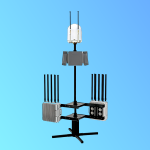
Full-Spectrum Coverage: Advanced multi-band jammer systems that target all critical frequencies: 2.4GHz, 5.8GHz (Wi-Fi/control), GNSS bands (GPS, GLONASS, BeiDou, Galileo), and cellular frequencies (3G/4G/5G).
-
High Output Power: Modules offering significant effective radiated power (ERP) for extended range neutralization.
-
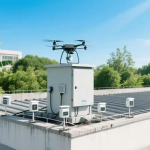
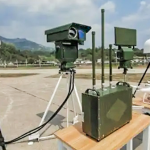
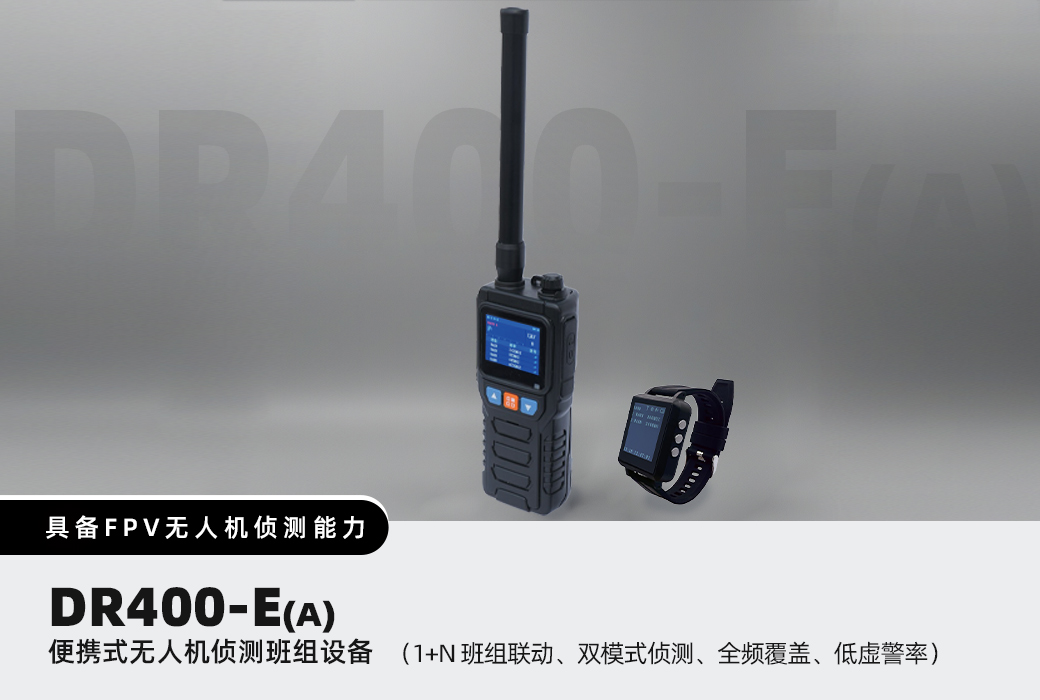
Integrated Solutions: Many providers offer turnkey systems that combine RF jamming with detection technologies like radar, radio frequency (RF) sensors, and electro-optical/infrared (EO/IR) cameras.
-
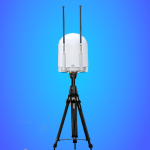
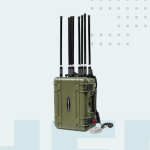
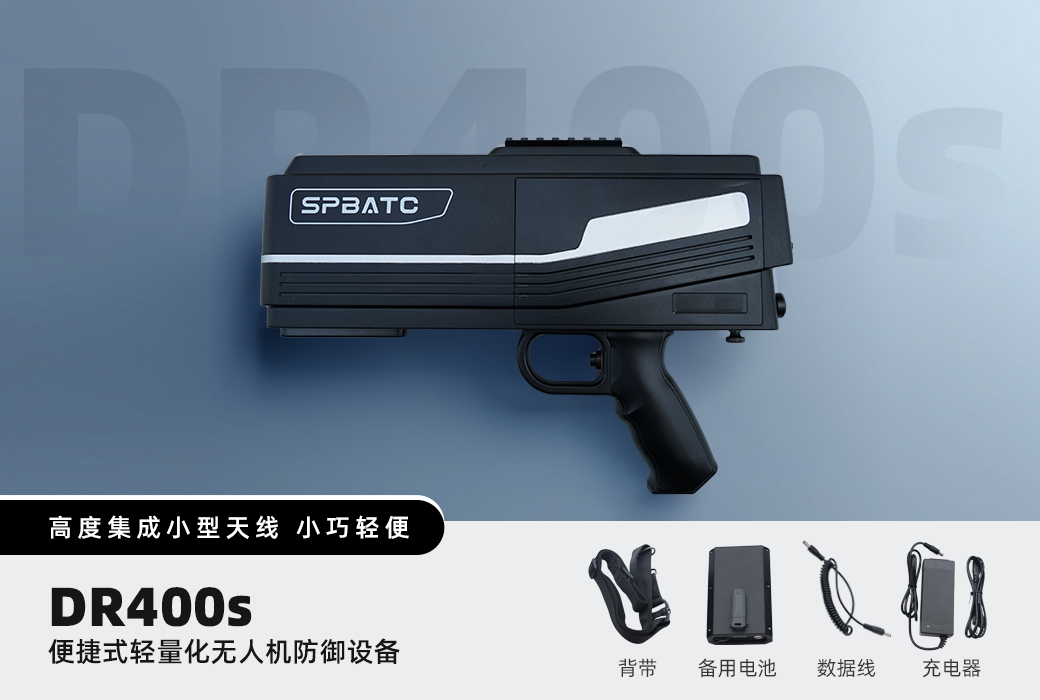
Portable & Mobile Variants: A comprehensive product range including handheld, backpack, vehicle-mounted, and fixed-site solutions.
-
Customization: Ability to tailor systems for specific client needs, including frequency adjustments, power output, and integration with existing security infrastructure.
Primary Applications and End-Users
Anti-drone systems from China are deployed globally in similar high-stakes environments as Western systems:
-
Critical Infrastructure Protection: Securing airports, power plants, oil refineries, and government facilities.
-
Military & Defense: Used by national armed forces for base protection, battlefield operations, and force security.
-
Public Security & Event Safety: Deployed for major public events, VIP protection, and in urban security operations.
-
Correctional Facility Security: Preventing contraband delivery via drones.
Considerations When Sourcing from Chinese Manufacturers
While the market offers compelling options, due diligence is essential:
-
Technical Verification: Insist on independent testing and verification of claimed specifications such as jamming range, frequency accuracy, and battery life (for portable units).
-
Quality Control & Reliability: Ensure the manufacturer has robust quality assurance processes. Equipment must perform reliably in all weather conditions.
-
Software & Updates: Evaluate the sophistication of the command-and-control software and the provider’s commitment to firmware/software updates to counter new drone threats.
-
Export Compliance & Regulations: Be acutely aware of export control regulations. The sale and export of drone jammer technology are strictly controlled under international arms trafficking (ITAR) and dual-use goods regulations. Both the Chinese exporter and the foreign buyer must secure all necessary licenses.
-
After-Sales Support: Consider the availability of technical support, training, warranty, and maintenance services, especially for overseas clients.
The Importance of Legal and Responsible Use
It is paramount to reiterate that drone jammer technology, regardless of origin, is a regulated tool. Unauthorized use is illegal in most jurisdictions, as it can interfere with critical communications, aviation, and emergency services. Legitimate end-users are typically government, military, law enforcement, and licensed security entities.
Conclusion: A Major Player in a Critical Field
China is undeniably a major manufacturing and technological force in the global counter UAV technology market. Its industry offers a diverse portfolio of anti-drone systems that can meet various operational requirements and budgets. For qualified and authorized end-users, conducting thorough technical and regulatory due diligence when evaluating China drone jammer options is the key to procuring effective, reliable, and lawful C-UAS solutions that enhance security and protect vital assets.