Common Counter-Drone Systems: Safeguarding Low-Altitude Airspace
Thanks to their compact size, flexibility, and ease of operation, drones are now widely used in aerial photography, logistics, surveying, and many other fields. However, the rapid growth of civilian drones has also led to increasing incidents of unauthorized flights, illegal surveillance, and airspace violations—posing serious risks to public safety.
To address these challenges, a wide range of advanced counter-drone technologies has emerged. Acting as technological guardians, these systems work together to protect the low-altitude airspace above us.
Detection Equipment: The “Eyes” That Spot Unwanted Intruders
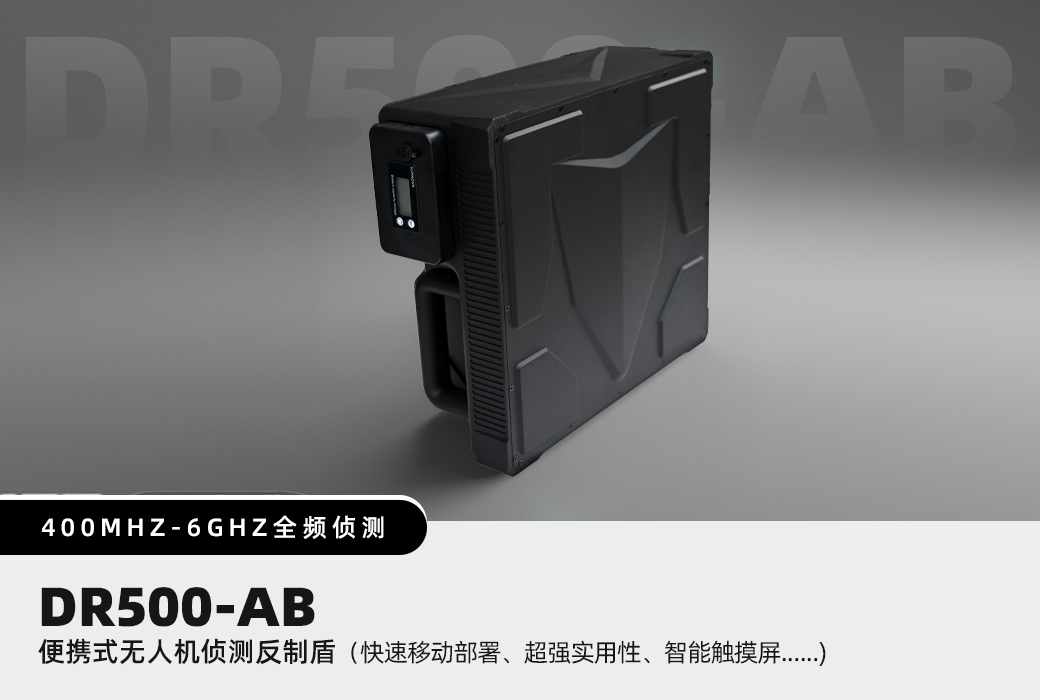
Radar Detectors: An Electromagnetic Safety Net
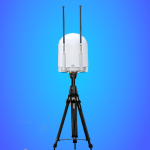
Radar detectors function like electronic eyes, transmitting electromagnetic waves and analyzing their reflections to determine a drone’s position, speed, and direction. Doppler radar leverages the Doppler effect to accurately distinguish drones from birds, reducing false alarms—much like an experienced traffic officer identifying vehicle speeds.
Millimeter-wave radar excels at detecting small, low-altitude drones and remains reliable even in harsh weather conditions such as heavy rain or thunderstorms, as well as in electromagnetically complex urban environments. Airports, military bases, and other high-security sites often deploy radar systems capable of detecting drones several kilometers away, providing valuable response time.
Electro-Optical Detectors: Intelligent Sentries for Day and Night
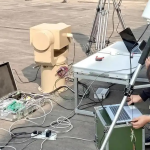
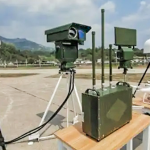
Electro-optical detection systems combine visible-light cameras with infrared thermal imaging sensors. During daylight, high-resolution cameras capture clear images of drones, which can be quickly identified through image recognition algorithms and database comparison.
At night or in foggy conditions, infrared thermal imagers detect heat signatures from drone motors and electronic components, allowing drones to be tracked even in complete darkness. Advanced electro-optical systems often integrate AI algorithms to predict flight trajectories and assess potential airspace violations—making them essential for urban security and border surveillance.
Acoustic Detectors: The “Keen Ears” of Drone Detection
Acoustic detectors identify drones by capturing the unique sound frequencies generated by rotating propellers. They are particularly effective for short-range, low-speed detection in quiet environments such as school campuses or small event venues.
Although their detection range is limited, acoustic sensors are cost-effective and easy to deploy, making them a valuable complement to radar and optical systems.
Jamming Equipment: The Invisible Hand That Cuts the Connection
Signal Jamming Guns: Portable Tools That Make Drones Lose Direction
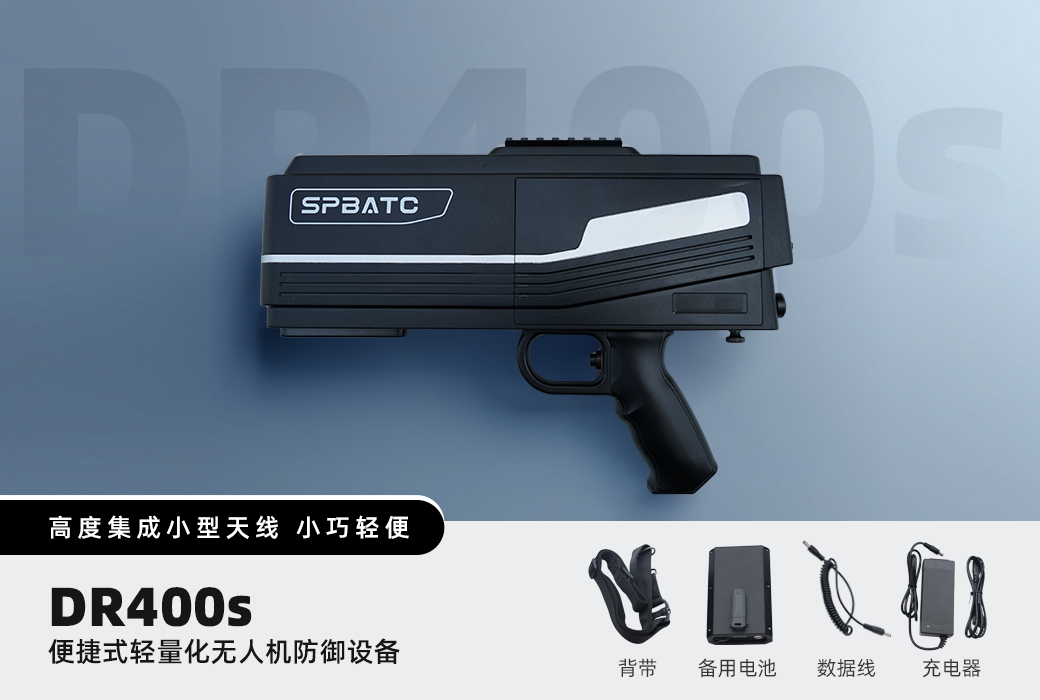
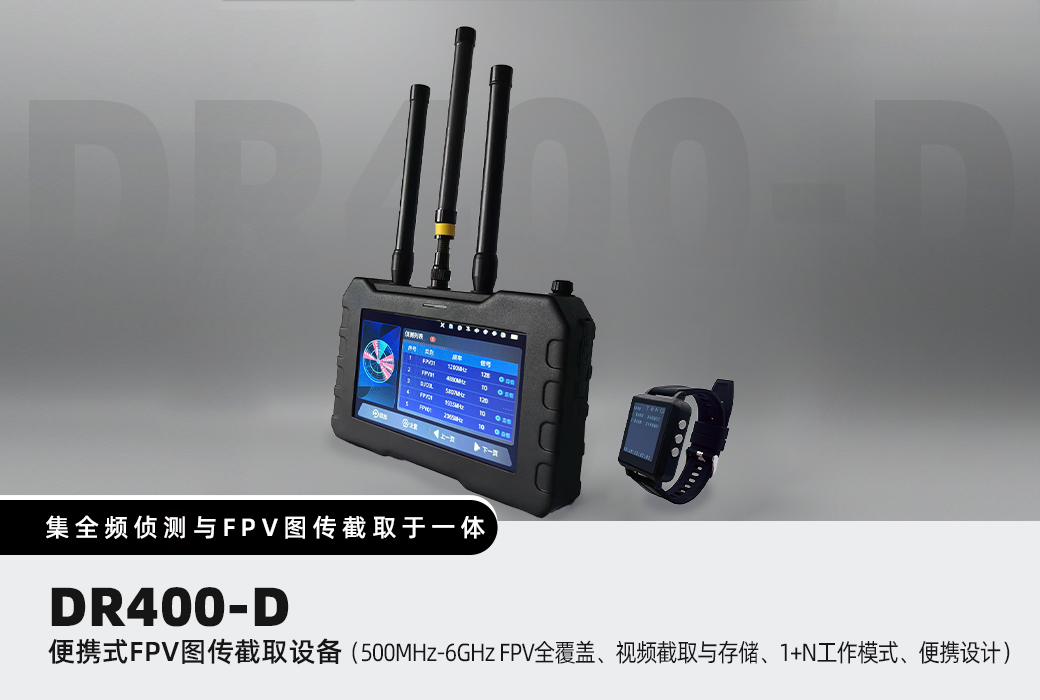
Signal jamming guns are widely used by security personnel due to their portability and ease of operation. Shaped like rifles, these devices emit high-power RF signals to disrupt common drone communication frequencies such as 2.4GHz and 5.8GHz, as well as satellite navigation bands around 1.5GHz.
By creating a “signal barrier” between the drone and its operator, jamming guns cause drones to hover, land, or automatically return home. At concerts or sporting events, a quick response with a jamming gun can neutralize unauthorized drones and eliminate safety risks.
Protocol Spoofing Devices: Outsmarting Drones Through Technology
Protocol spoofing systems act as sophisticated “cyber tacticians” by exploiting drone communication protocols. They can transmit fake GPS coordinates, misleading drones into flying toward designated areas, or issue forced landing commands to take control without physical damage.
This non-destructive approach is ideal for research institutions collecting drone samples or law enforcement agencies preserving evidence while maintaining operational control.
Interception Equipment: Direct Neutralization Solutions
Net Launchers: Gentle Aerial Capture Tools
Net launchers deploy capture nets to entangle drones and bring them safely to the ground. These systems are ideal when drones need to be recovered intact, such as for forensic analysis or evidence preservation.
Net launchers can be handheld or mounted on vehicles and aircraft, offering flexible deployment across various scenarios.
Laser Counter-Drone Systems: Precision “Light Blades”
Laser counter-drone systems emit high-energy laser beams that rapidly heat drone surfaces, melting structures or damaging internal electronics. With extremely fast engagement speeds and high accuracy, lasers can neutralize threatening drones within seconds.
However, their effectiveness can be reduced in adverse weather conditions such as heavy rain or dense fog.
High-Power Microwave Weapons: Electromagnetic Storms Against Swarms
High-power microwave (HPM) weapons generate intense electromagnetic pulses that instantly disable microelectronic components inside drones. Unlike laser systems, HPM weapons can cover a wide area and simultaneously neutralize multiple drones, making them highly effective against swarm attacks.
They are particularly suited for protecting critical infrastructure such as military bases, nuclear power plants, and strategic facilities.
Integrated Counter-Drone Defense Systems
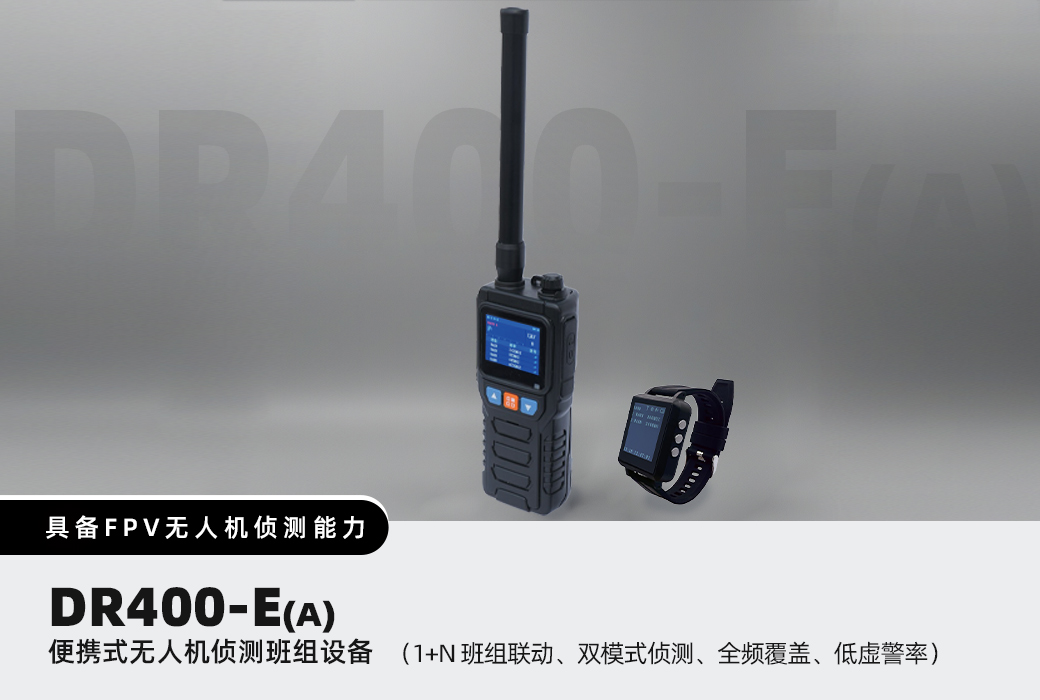
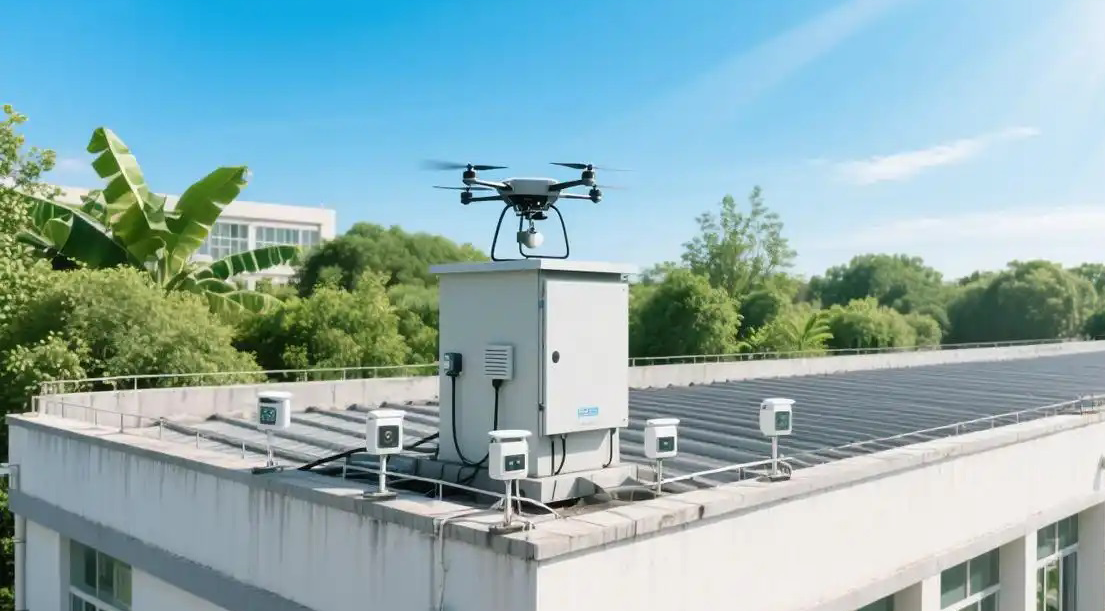
Each type of counter-drone device has its own strengths and limitations. In real-world applications, multiple systems are often integrated into a layered defense architecture that combines detection, identification, jamming, and interception.
As technology continues to evolve, these counter-drone “guardians of the sky” will become even more intelligent, efficient, and reliable—ensuring safer and more orderly low-altitude airspace.