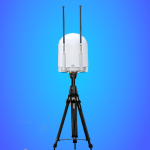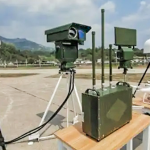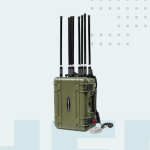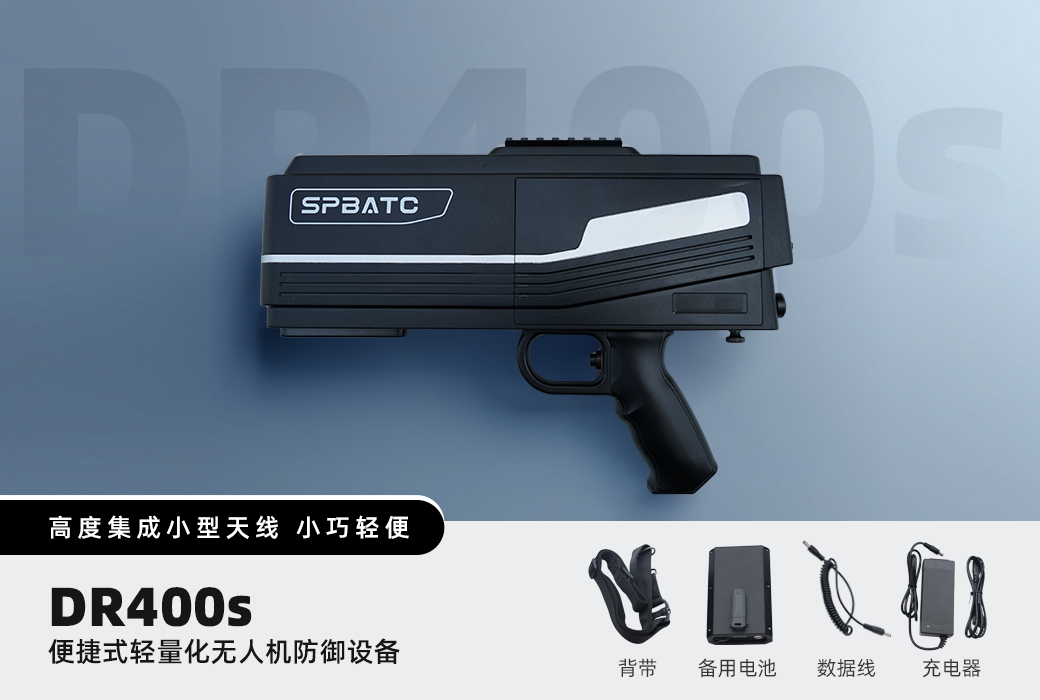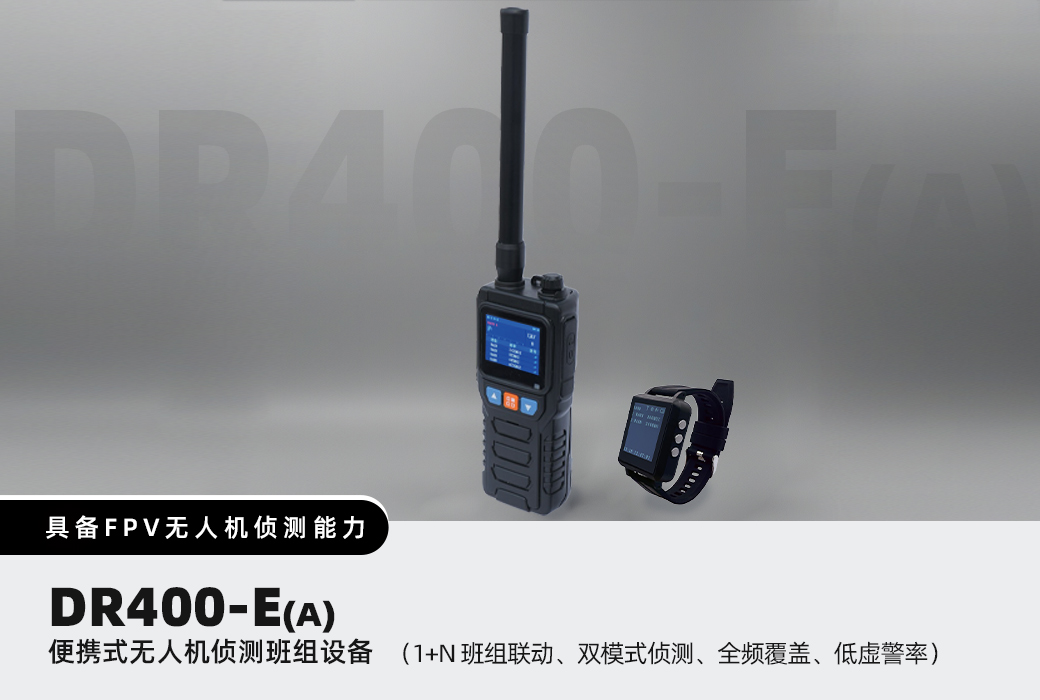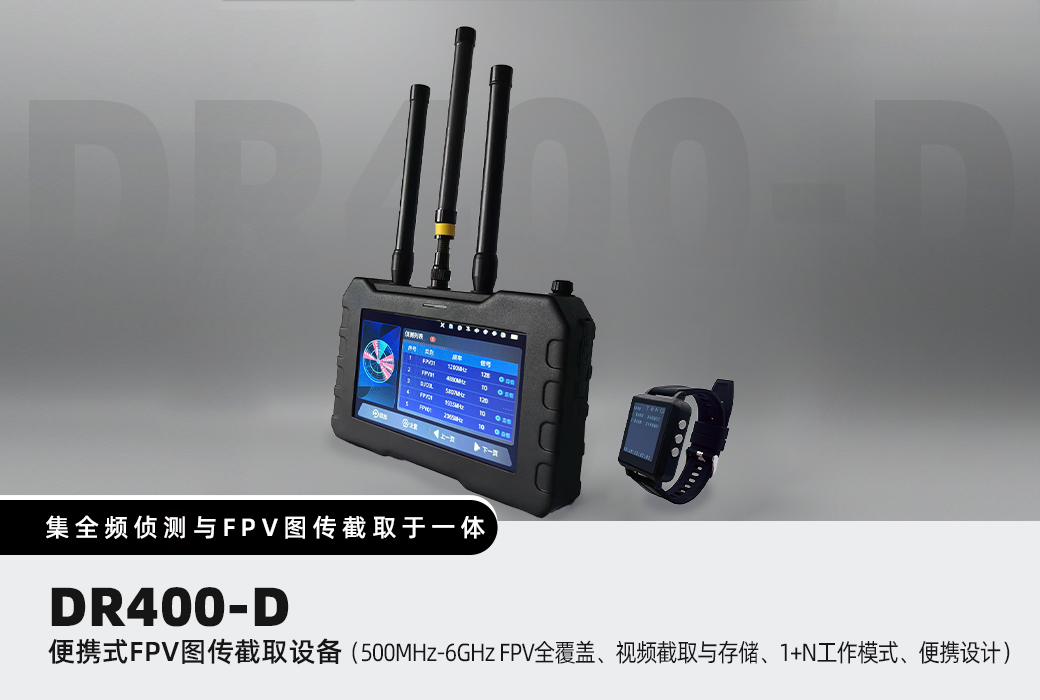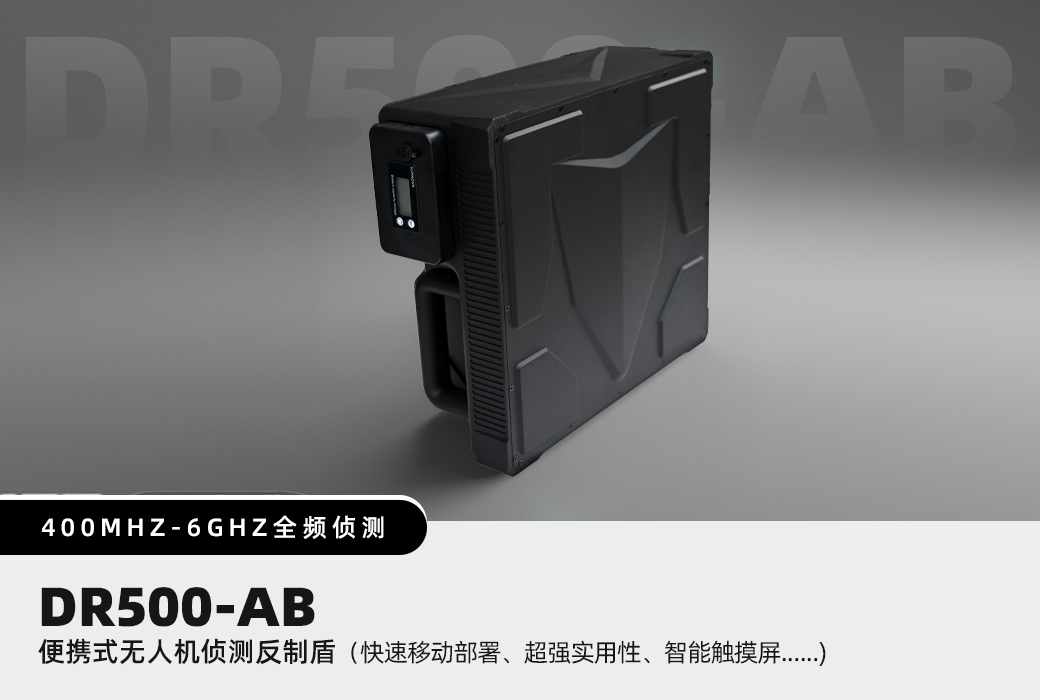
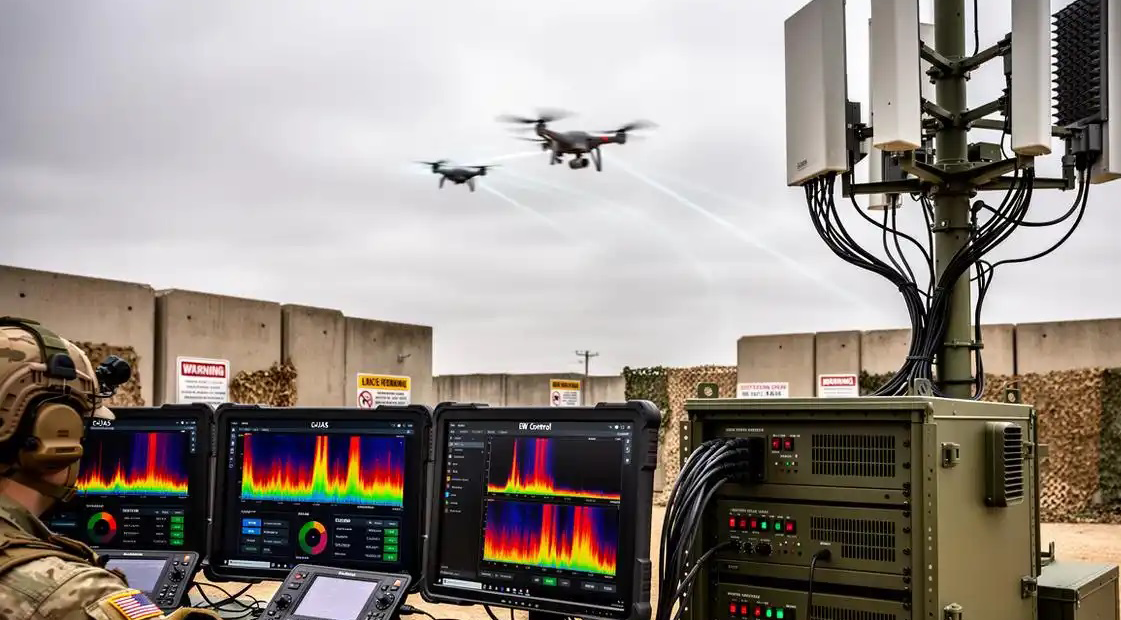
With the rapid development of drone technology, the demand for anti-drone systems has increased significantly. In sensitive areas such as military facilities, security zones, and airports, drone-related threats can no longer be ignored. Drone jammer guns and countermeasure systems play a critical role by interfering with drone communication signals and forcing them to lose control. To achieve this, RF power amplifier frequency bands are one of the most crucial factors. This article explores the key frequency bands used in anti-drone RF power amplifiers.
1. Why Are RF Power Amplifier Frequency Bands Important in Anti-Drone Systems?
Anti-drone systems disrupt or block drone communication channels through high-power signal interference. Different drones operate on different frequencies for communication, navigation, and data transmission. Therefore, anti-drone RF power amplifiers must be precisely designed according to drone operating frequencies to maximize jamming efficiency.
Most anti-drone systems are designed to cover multiple frequency bands to provide comprehensive protection against various drone models. Proper frequency band design not only enables effective countermeasures against traditional drones but also addresses emerging drone technologies.
2. Common Frequency Bands in Anti-Drone RF Power Amplifiers
Companies specializing in anti-drone technology have developed RF power amplifier products covering multiple frequency bands to meet different defense requirements. The typical frequency ranges include:
300–930 MHz
This band is widely used to interfere with low-frequency remote control signals and is suitable for countering entry-level or basic remote-controlled drones.
930–1500 MHz
This band is effective against mid-frequency drone communication signals and can disrupt control links used by mid-range drones.
1500–2400 MHz
Specifically designed for consumer drones, this band can interfere with communication signals used by most commercial drone models.
2400–2500 MHz
Targets Wi-Fi communication bands, which are commonly used for drone control and data transmission.
2400–4000 MHz
Covers communication frequencies used by newer, high-frequency drone systems, providing strong jamming capabilities.
4000–6000 MHz
Suitable for high-end drones using advanced communication technologies, offering reliable countermeasure performance.
5725–5850 MHz
This band is often used for advanced wireless communication protocols and can effectively disrupt drones operating within this range.
Through precise frequency band segmentation, anti-drone systems can deliver comprehensive protection solutions for both civilian and advanced drone platforms.
3. Application Scenarios and Advantages of Different Frequency Bands
Selecting the appropriate frequency band is essential for achieving optimal jamming performance and improving system adaptability.
Low Frequency Bands (300–930 MHz)
Suitable for interfering with traditional remote-controlled drones and basic control signals.
Mid Frequency Bands (930–1500 MHz)
Provide broader application coverage and effectively counter drones with stronger communication capabilities.
Wi-Fi Frequency Band (2400–2500 MHz)
Drone control signals often operate in this band, making it highly effective for interrupting Wi-Fi-controlled drones.
High Frequency Bands (2400–4000 MHz and 4000–6000 MHz)
Designed for advanced drone interference, especially effective against drones using modern communication and radar systems.
5725–5850 MHz Band
As advanced wireless communication technologies continue to develop, more drones operate in this frequency range, making it increasingly important for modern anti-drone solutions.
4. Conclusion
Anti-drone technology has become a vital component of modern defense and security systems. The design of RF power amplifier frequency bands directly determines system performance and countermeasure effectiveness. By implementing well-structured multi-band coverage, anti-drone systems can adapt to various operational scenarios and precisely interfere with different types of drones, providing reliable security protection.
As anti-drone technologies continue to evolve, new frequency bands and advanced solutions will emerge to address increasingly complex drone threats.