How Effective Are Fixed Anti-Drone Systems? Experts Explain Their Working Principles and Applications
Introduction: Low-Altitude Security Threats Driving Technological Innovation
With the rapid development of the low-altitude economy and related industries, civilian drones are increasingly used in logistics, agriculture, and surveying. However, unauthorized drones have frequently intruded into sensitive areas such as nuclear power plants, airports, and chemical industrial zones, posing serious threats to public safety. According to statistics, global illegal drone flight incidents increased by 37% year-over-year in 2025, with 83% involving unauthorized low, slow, and small UAV intrusions. Against this backdrop, fixed anti-drone systems have become a core solution for ensuring low-altitude airspace security due to their continuous and all-weather defense capabilities. This article analyzes the real-world effectiveness of such systems based on the latest cases and technological developments.
1. Working Principles of Fixed Anti-Drone Systems
1.1 Core Technical Architecture
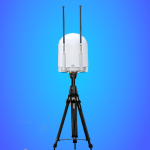
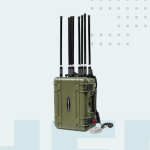
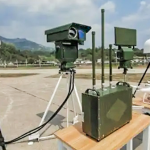
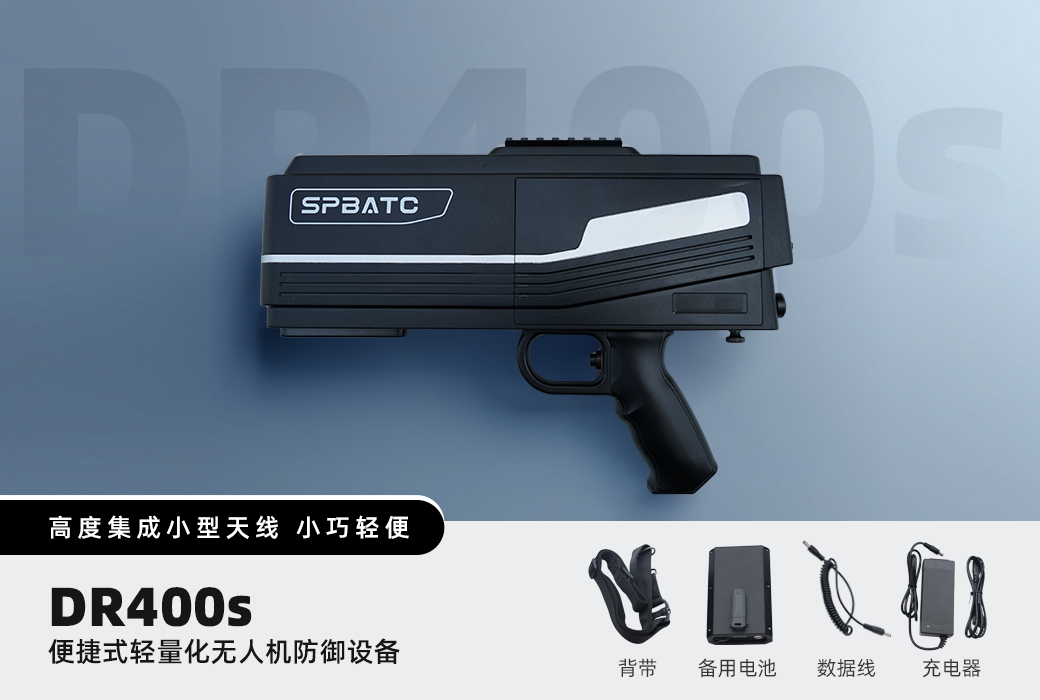
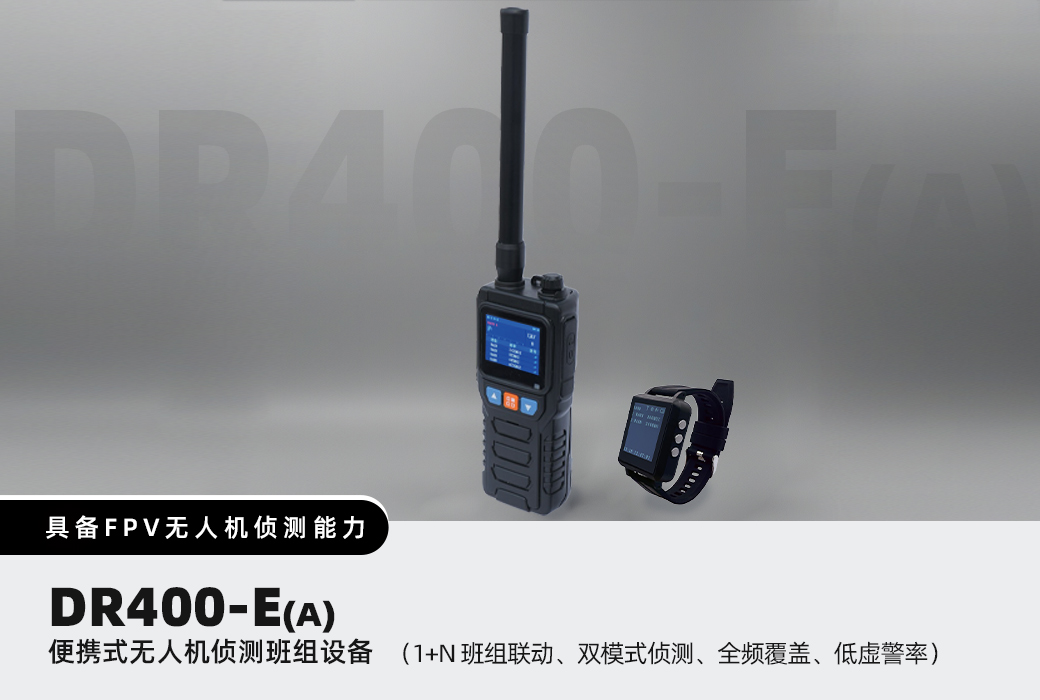
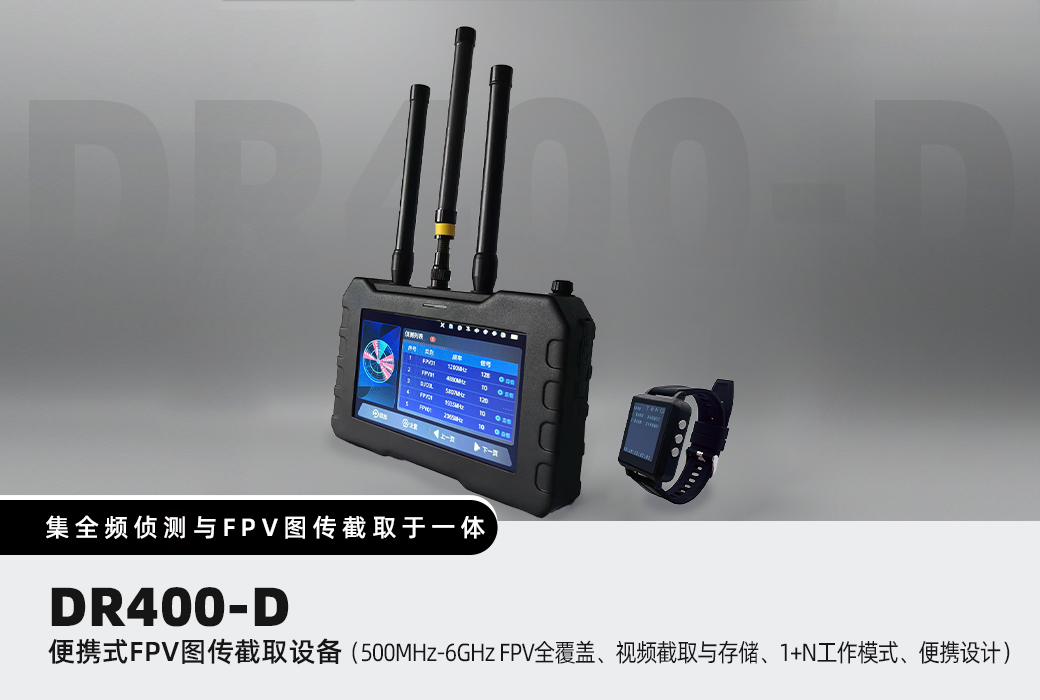
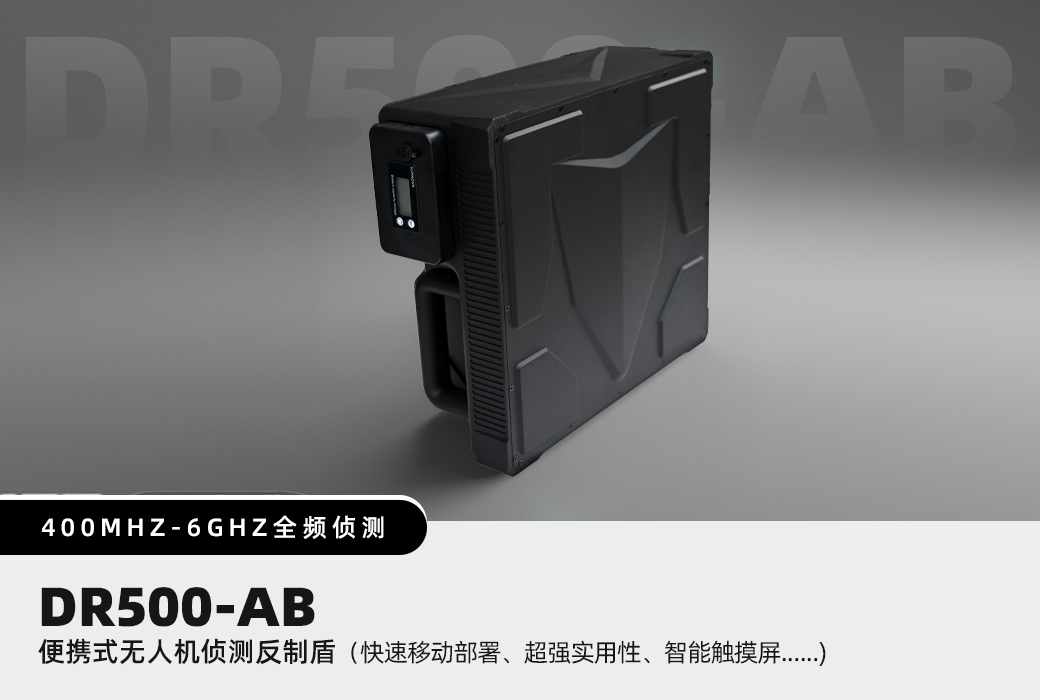
Fixed counter-drone systems typically consist of three major components: signal detection units, jamming transmission units, and intelligent decision-making systems.
Signal Detection:
Using spectrum analysis technology, the system identifies drone control links (such as 445 MHz and 850 MHz) and video transmission bands (2.4 GHz and 5.8 GHz), while determining the target’s direction.
Jamming Transmission:
Directional antennas transmit high-power blocking signals covering commonly used drone frequency bands (such as 1.2 GHz and 6 GHz), disrupting communication between the drone and its remote controller.
Intelligent Decision-Making:
Integrated AI algorithms evaluate threat levels and automatically select optimal countermeasures, such as soft interference or forced landing.
1.2 Typical Countermeasure Process
Taking an anti-drone project at a nuclear power plant as an example:
-
Radar and electro-optical systems jointly detect a drone intruding from 1.2 km away.
-
The system completes frequency identification within 2 seconds and determines that the target is a consumer quadcopter drone.
-
The transmission unit selectively interferes with its 2.4 GHz control link and 5.8 GHz video transmission signals.
-
After losing control, the drone automatically initiates a return-to-home procedure without physical damage.
2. Limitations of Traditional Anti-Drone Systems
2.1 Existing Technical Challenges
Coverage Blind Spots:
Most traditional systems rely on manual directional adjustment and have a detection rate of less than 60% for ultra-low altitude targets below 50 meters.
Frequency Limitations:
Many systems only support mainstream 2.4 GHz and 5.8 GHz bands and struggle to counter drones using customized encrypted communication.
Response Delays:
Traditional systems typically require 8–12 seconds from detection to countermeasure deployment, leaving time for drones to escape.
Environmental Interference:
In complex electromagnetic environments, false detection rates can reach up to 25%, potentially triggering unintended interference.
2.2 Typical Failure Case
In 2024, an international airport experienced a 3-hour flight delay because its anti-drone system failed to block a drone operating on the 5.2 GHz band, causing economic losses exceeding RMB 2 million. Post-incident investigations revealed insufficient compatibility with non-standard frequency bands as the primary cause.
3. Innovations in Next-Generation Fixed Systems
3.1 Key Technological Advancements
New-generation systems have achieved three major breakthroughs:
Full-Band Coverage:
Supporting eight critical frequency bands ranging from 445 MHz to 6 GHz, with enhanced jamming capability for customized 1.2 GHz communication bands.
Intelligent Response:
Target identification and countermeasure deployment can be completed within 2–4 seconds, with effective test distances ranging from 500 to 1,200 meters.
Environmental Adaptability:
Machine learning algorithms dynamically adjust transmission power, reducing false detection rates to below 5%.
4. Core Application Scenarios and Case Studies
4.1 High-Risk Area Protection
Nuclear Power Plants:
In March 2025, a coastal nuclear power facility deployed 12 fixed anti-drone systems, successfully intercepting unauthorized drones attempting to capture reactor images.
Petrochemical Zones:
A large refinery constructed a 3 km electronic protective perimeter through system integration, intercepting 47 unauthorized drone flights within one quarter.
Airport Airspace Protection:
A 4E-class airport adopted a combined fixed and portable anti-drone network, increasing interception success rates to 98.3%.
4.2 Large Event Security
During an international summit in 2025, organizers deployed six fixed anti-drone systems to achieve full-band monitoring within a 5 km radius of the venue. Three drone intrusion incidents were successfully handled, including one modified drone attempting to distribute promotional leaflets. The entire detection-to-landing process was completed in only 18 seconds.
5. Industry Trends and Selection Recommendations
5.1 Market Transformation Under the Low-Altitude Economy
With the implementation of interim regulations on unmanned aircraft flight management, China’s anti-drone market is expected to exceed RMB 8.5 billion in 2025. Competition among manufacturers has shifted from equipment sales to system integration capabilities and after-sales service solutions. Leading manufacturers are increasingly building competitive advantages through integrated equipment and data service models.
5.2 Key Selection Indicators
Frequency Compatibility:
Priority should be given to systems covering the full 445 MHz to 6 GHz frequency range.
Environmental Adaptability:
Equipment should pass wide temperature testing (-40°C to 70°C) and achieve IP67 protection certification.
Regulatory Compliance:
Devices must comply with technical standards for countermeasure equipment and avoid unauthorized frequency usage.
6. Expert Opinion: Quality Matters More Than Price
According to the chief engineer of a security research institute, some buyers focus excessively on purchase price while ignoring long-term maintenance costs. In one petrochemical industrial park, selecting low-cost equipment with limited frequency coverage resulted in annual maintenance expenses exceeding the budget by 40%. Experts recommend prioritizing manufacturers with strong technological development capabilities and localized service networks.
Conclusion: Building an Intelligent Low-Altitude Defense Network
Fixed anti-drone systems are evolving from single-function jamming tools into comprehensive low-altitude security command platforms. With the integration of advanced communication technologies and artificial intelligence, future systems will achieve more accurate threat prediction and automated response. For critical sectors such as airports, military facilities, and energy infrastructure, selecting mature anti-drone solutions with comprehensive frequency coverage remains the optimal balance between cost and performance.