What Is Counter-Drone Equipment?
Introduction
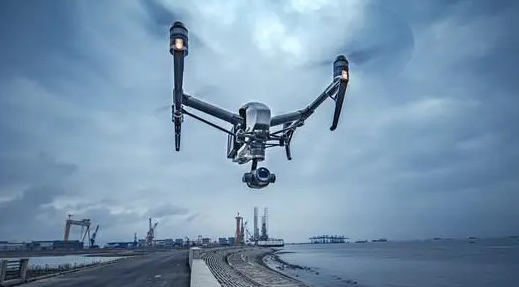
In today’s rapidly evolving technological landscape, drones have become widely used in aerial photography, logistics, agriculture, emergency response, and many other industries. These unmanned aerial vehicles (UAVs) bring significant convenience and efficiency to modern life. However, the rapid increase in drone usage has also introduced new security risks.
Unauthorized drone flights—often referred to as “rogue drones”—have entered restricted airspace, posing serious threats to national security, public safety, and personal privacy. To address these risks, counter-drone equipment has emerged as a critical solution for protecting low-altitude airspace and sensitive areas.
This article explains the definition, classification, working principles, and applications of counter-drone equipment.
Definition and Classification of Counter-Drone Equipment
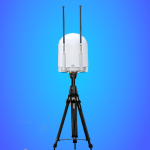
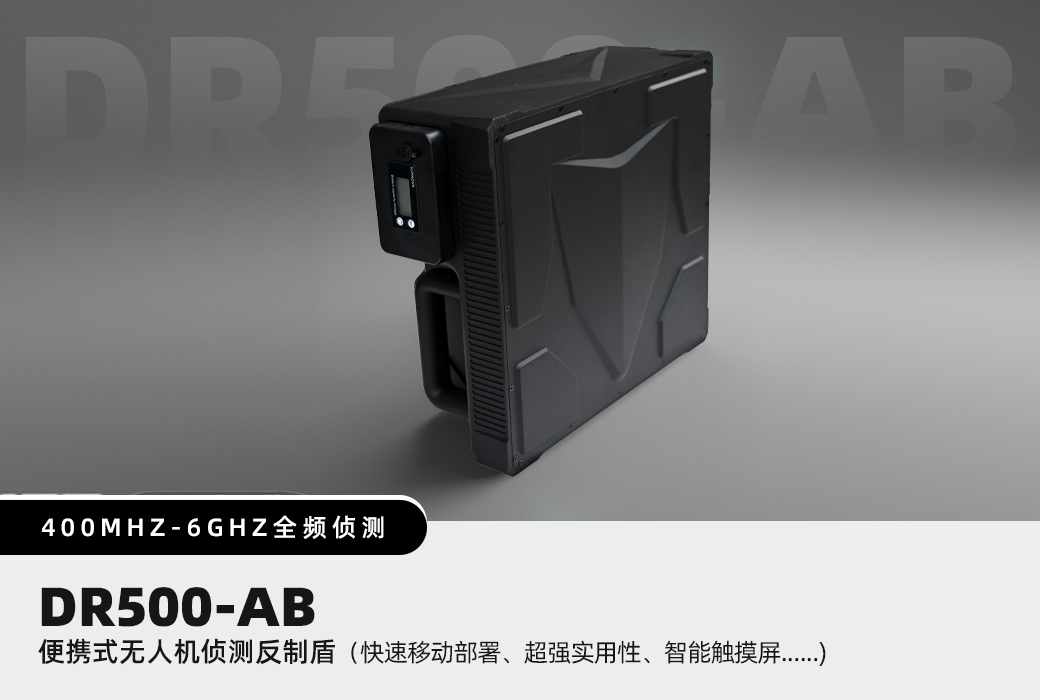
Counter-drone equipment, also known as a counter-UAV system or anti-drone system, is specifically designed to detect, identify, track, disrupt, deceive, or neutralize unauthorized drones. Its primary purpose is to prevent drones from entering protected areas and ensure the safety of people, infrastructure, and sensitive facilities.
Based on operational principles and deployment scenarios, counter-drone equipment can be classified into the following categories:
1. Detection Systems
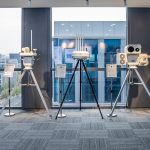
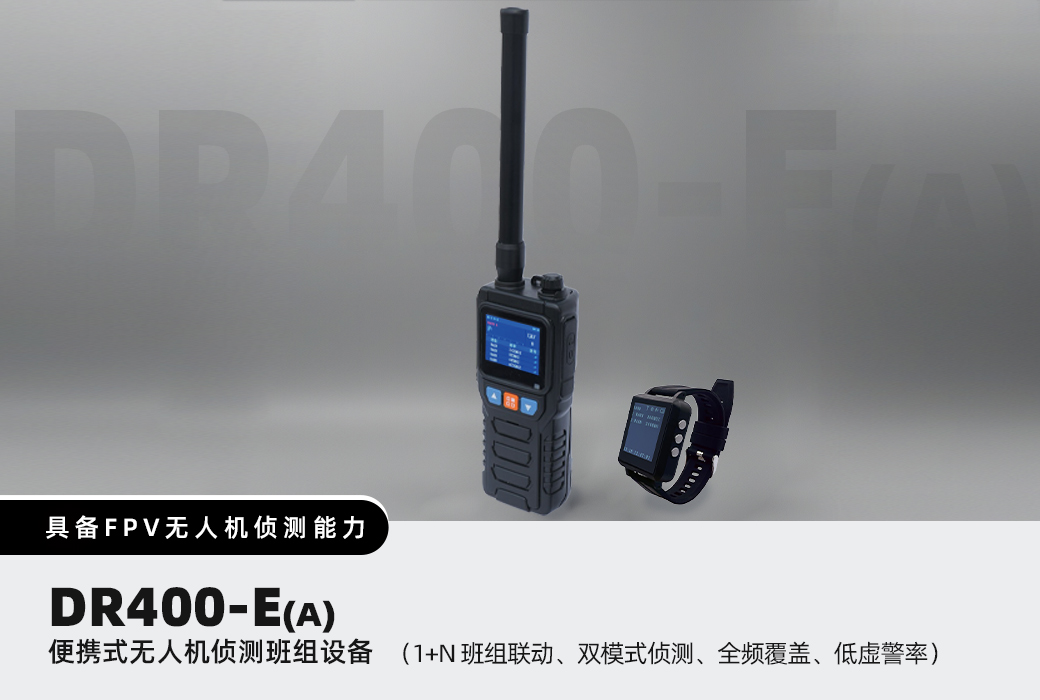
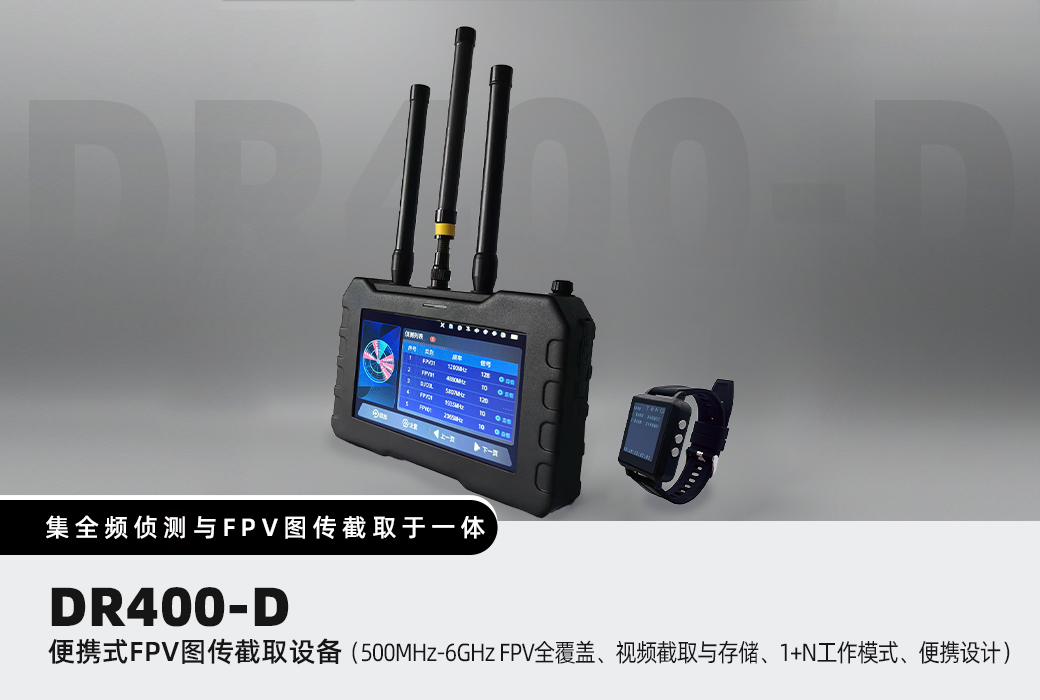
Detection equipment is used to locate and track drones in real time. Common detection technologies include:
-
Radar systems: Use electromagnetic waves to detect drone position, speed, and trajectory. Radar provides wide coverage and high detection accuracy.
-
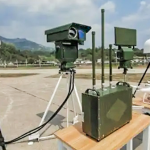
Electro-optical systems: Utilize optical and infrared imaging to visually identify drones and monitor their flight behavior.
-
Acoustic sensors: Detect drones by analyzing sound signatures generated by drone motors and propellers.
These systems provide early warning and situational awareness.
2. Jamming Systems
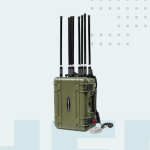
Jamming equipment disrupts drone operation by transmitting interference signals. These signals can block communication between the drone and its remote controller or interfere with satellite navigation signals such as GPS.
Common jamming methods include:
-
Wideband jamming: Covers multiple frequency bands used by drones, offering comprehensive disruption.
-
Directional jamming: Focuses interference signals toward a specific target, reducing impact on surrounding communication systems.
Jamming can force drones to hover, land, return to their operator, or lose control.
3. Spoofing and Deception Systems
Spoofing systems work by transmitting simulated signals that mimic legitimate control or navigation signals. These signals deceive the drone into responding to false commands.
For example, spoofing systems may:
-
Trigger automatic landing
-
Force return-to-home functions
-
Redirect drone flight paths
This method is considered a controlled and non-destructive approach.
4. Physical Capture Systems
Physical countermeasures involve capturing drones using mechanical methods such as:
-
Net launchers
-
Interceptor drones equipped with capture systems
-
Mechanical arms
-
Specialized trapping devices
These solutions are useful when drones must be recovered for forensic investigation or analysis.
Working Principles of Counter-Drone Equipment
Counter-drone equipment operates using a combination of detection, signal interference, signal deception, and physical neutralization technologies.
Signal Interference
When a drone is detected, the counter-drone system transmits interference signals on the same frequency used by the drone. This can:
-
Disrupt communication between the drone and its controller
-
Prevent the drone from receiving commands
-
Interfere with navigation signals such as GPS
As a result, the drone may lose control, hover, land automatically, or return to its operator.
Signal Spoofing
Signal spoofing involves transmitting carefully crafted signals that imitate legitimate control or navigation signals. These signals can manipulate drone behavior and guide it to a safe landing zone or controlled location.
This method requires a deep understanding of drone communication protocols and navigation systems.
Physical Capture
Physical countermeasures directly intercept drones using mechanical capture systems. For example:
-
Net launchers can entangle drones and stop their propellers
-
Adhesive capture methods can reduce flight capability
-
Robotic capture systems can safely recover drones
Advanced systems may integrate automatic tracking and capture functionality.
Importance of Counter-Drone Technology in National Defense
Counter-drone technology plays a critical role in modern defense strategies. Drones are increasingly used for reconnaissance, surveillance, and tactical operations in military environments.
For example, in recent military conflicts, drones have been widely deployed for intelligence gathering and precision targeting. Counter-drone systems have been used to:
-
Monitor drone activity in real time
-
Disrupt drone communications
-
Prevent reconnaissance and attacks
-
Protect military infrastructure
These capabilities significantly enhance defense readiness and operational security.
Applications in Public Safety and Critical Infrastructure Protection
Counter-drone equipment is widely deployed in civilian security applications, including:
-
Airports and aviation facilities
-
Military bases
-
Government buildings
-
Nuclear power plants
-
Border security areas
-
Critical infrastructure facilities
These systems help prevent unauthorized drone access and reduce security risks.
Counter-drone systems also help prevent illegal activities such as:
-
Smuggling
-
Unauthorized surveillance
-
Contraband delivery
-
Criminal reconnaissance
Future Development Trends
As drone technology continues to evolve, counter-drone systems are becoming more advanced, intelligent, and integrated.
Future developments may include:
-
Artificial intelligence-based drone identification
-
Automated threat assessment
-
Multi-sensor fusion detection systems
-
Integrated detection and countermeasure platforms
-
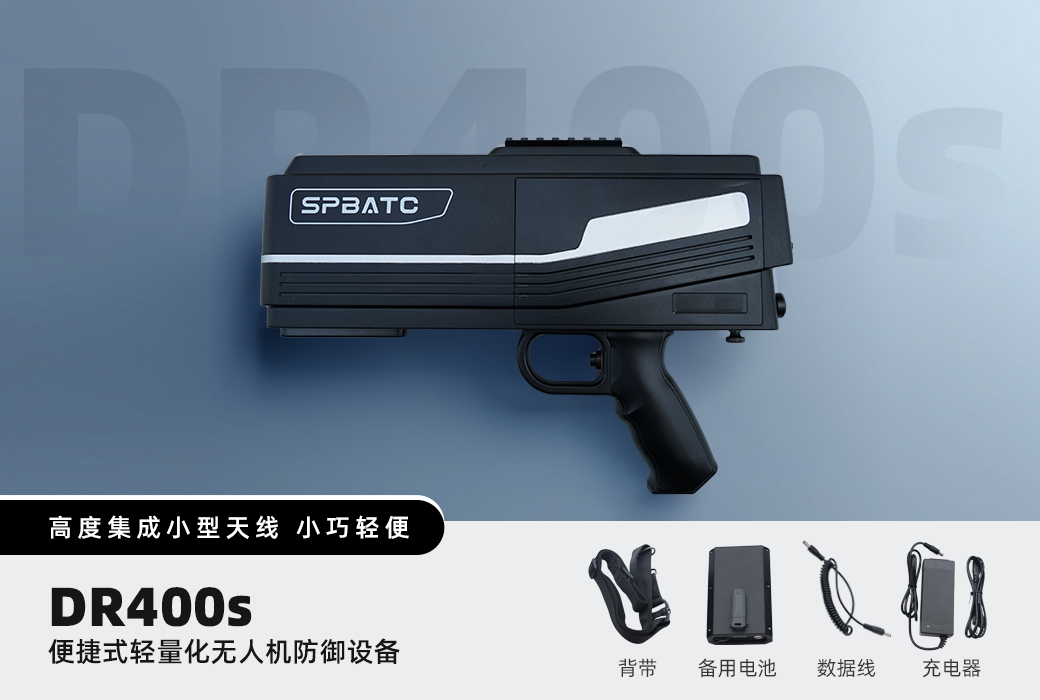
Portable and mobile counter-drone devices
These innovations will improve efficiency, response speed, and operational effectiveness.
Conclusion
Counter-drone equipment is an essential technology for protecting airspace security, critical infrastructure, and public safety. By combining detection, disruption, deception, and capture technologies, these systems provide comprehensive protection against unauthorized drone threats.
As drone usage continues to expand, counter-drone technology will play an increasingly important role in maintaining security and ensuring the safe and responsible use of UAV technology.