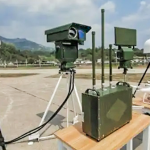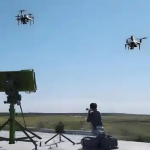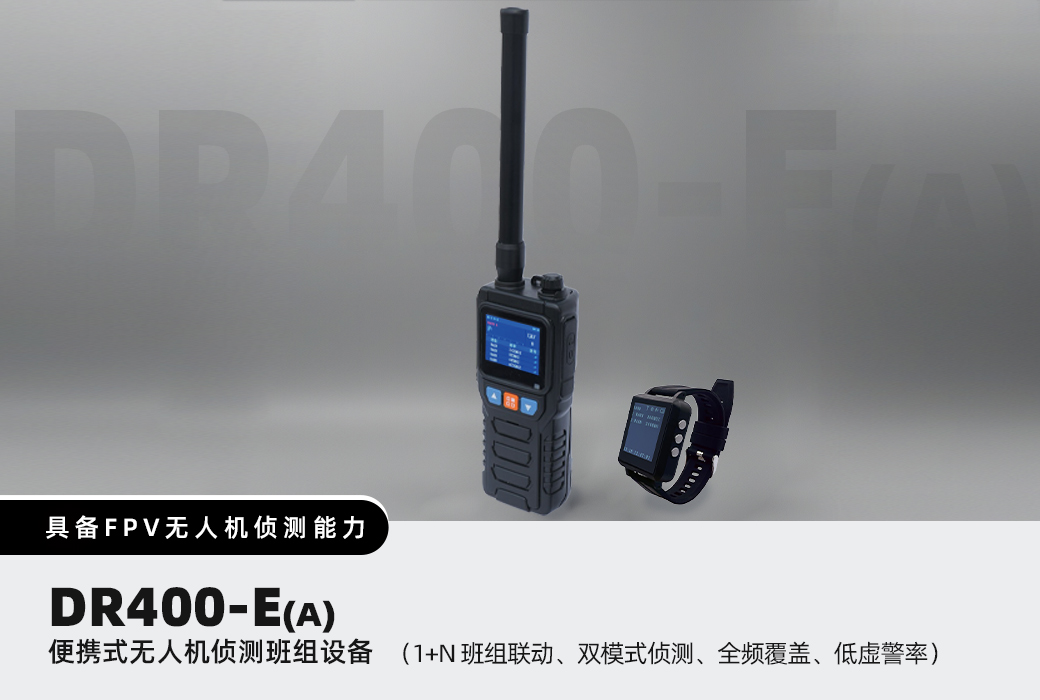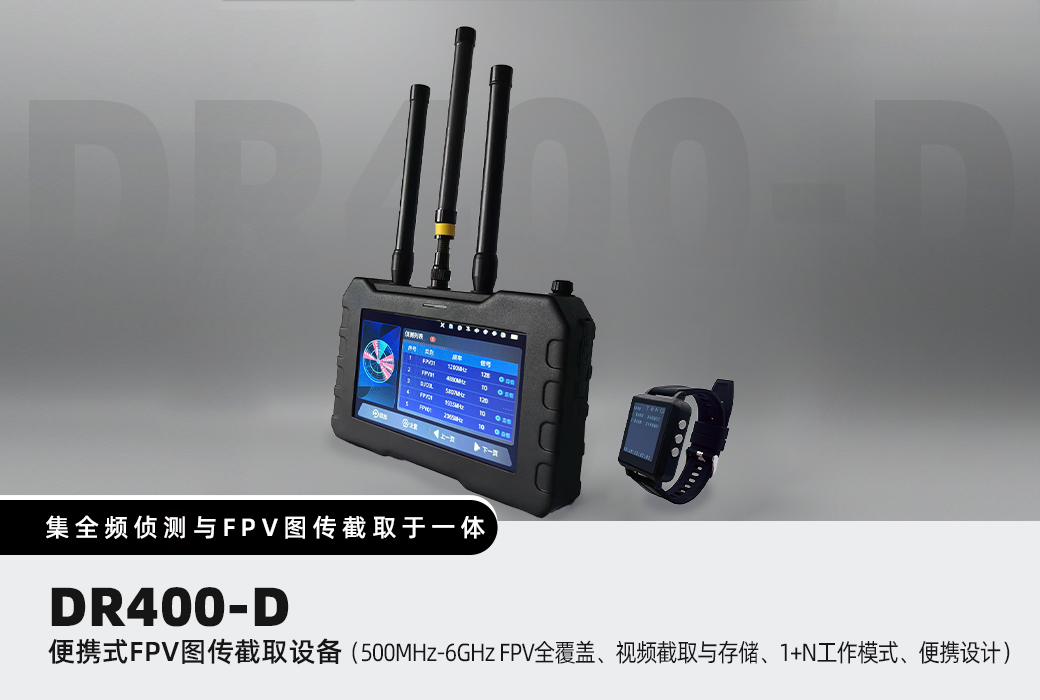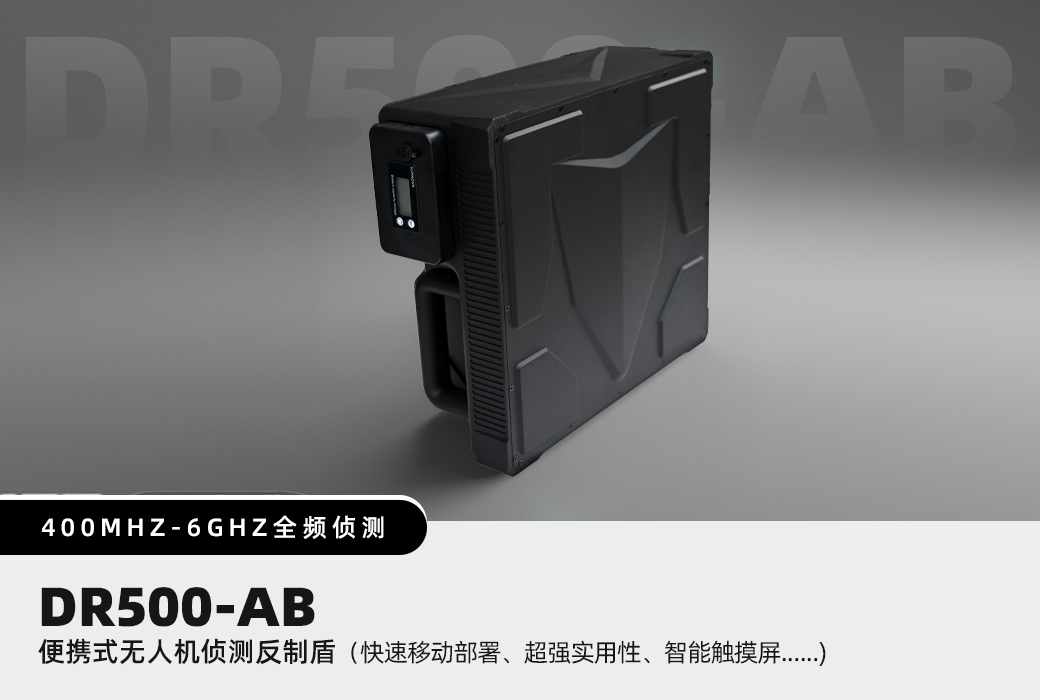
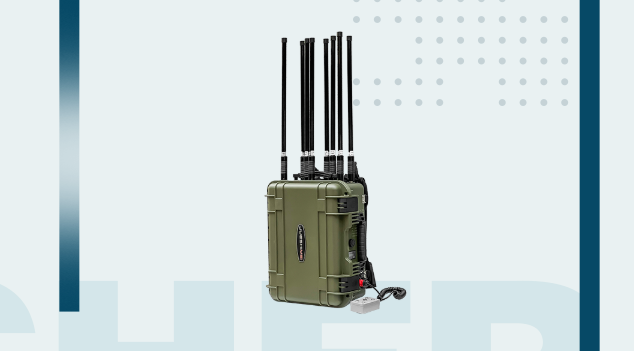
The threat posed by rogue drones is not confined to fixed perimeters like airports or prisons. In an era of asymmetric warfare, VIP protection, and dynamic security operations, threats can emerge anywhere—from a public rally to a moving convoy. This is where the portable drone jammer becomes an indispensable tool.
Unlike their fixed-site counterparts, portable jammers are designed for mobility, rapid deployment, and tactical flexibility. They put the power of drone denial directly into the hands of security personnel on the ground. This guide explores the technology, applications, and key considerations surrounding these man-portable counter-drone systems.
What is a Portable Drone Jammer?
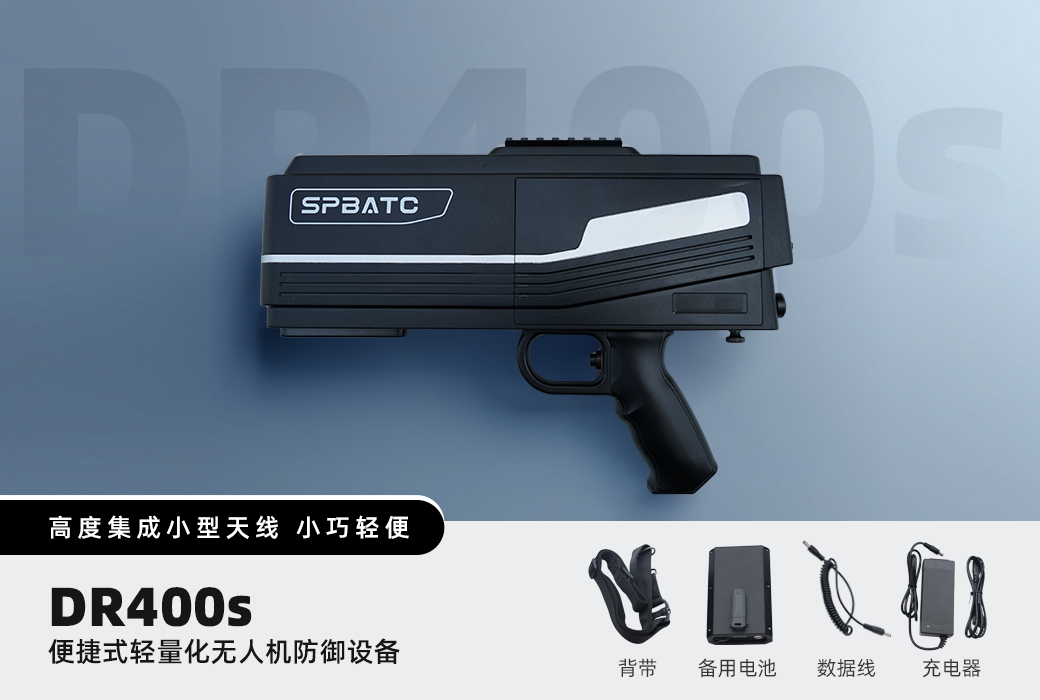
A portable drone jammer is a mobile electronic warfare device designed to disrupt the communication links between a drone and its operator. These devices are typically handheld or man-packable, allowing a single operator to move freely and engage threats from various positions.
By emitting high-power radio frequency signals, they create a localized “no-fly zone” around the protected asset or personnel. When targeted at an offending UAV, the jammer effectively severs the command link (control) and/or the video link (FPV/telemetry), forcing the drone into a pre-programmed fail-safe mode, such as landing immediately or returning to its take-off point.
How Handheld Drone Jammers Work: The Technology Inside
While they share core principles with larger systems, portable jammers are engineered for efficiency and power conservation in a small form factor.
1. Directional Antenna Arrays
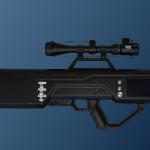
Most portable jammers resemble a rifle or a chunky antenna device. They utilize high-gain directional antennas. This is critical for two reasons:
-
Focused Energy: By concentrating the jamming power into a narrow beam, the device achieves greater effective range than an omnidirectional portable unit could.
-
Reduced Collateral Interference: Directional antennas allow the operator to target a specific drone in the sky without blasting the entire area (and innocent bystanders’ cell phones) with noise.
2. Multi-Band Coverage
Modern portable jammers are almost always multi-band. They need to counter various drone types operating on different frequencies. Standard bands covered include:
-
2.4 GHz: The most common control and video frequency for consumer drones.
-
5.8 GHz: Popular for high-definition video transmission and newer drone models.
-
900 MHz / 1.5 GHz: Used for long-range control or GPS satellite navigation. Jamming GPS is a common tactic to disable drone positioning and autonomous flight.
3. Battery and Thermal Management
Power is the primary constraint for portable devices. High-power RF generation consumes electricity quickly and generates significant heat. Modern portable jammers address this with:
-
High-Density Batteries: Hot-swappable battery packs allow for extended mission duration.
-
Efficient Amplifiers: Class-D or GaN (Gallium Nitride) amplifiers provide higher output with less heat waste.
-
Passive Cooling: Heat sinks and engineered chassis designs dissipate heat without noisy fans that could give away an operator’s position.
Key Use Cases for Portable Drone Jammers
The versatility of these devices makes them essential for a wide range of scenarios:
1. VIP and Dignitary Protection
When a head of state steps out of a vehicle, a fixed jammer on that vehicle may not cover every angle. Bodyguards equipped with portable jammers can scan the skies and instantly neutralize a drone hovering near the VIP, providing a 360-degree protective bubble that moves with the principal.
2. Convoy and Vehicle Patrols
For military or police convoys, stopping to deploy a fixed system isn’t an option. Portable jammers allow soldiers in vehicles to lean out and disable a drone that is tracking the convoy or preparing to drop an improvised munition.
3. Special Operations and Tactical Raids
Stealth is vital in special operations. Portable jammers can be used to clear the airspace before an operation begins, ensuring that enemy reconnaissance drones do not compromise the element of surprise.
4. Event Security and Crowd Control
At large public events like marathons or political rallies, security teams on foot can patrol the crowds. If a drone appears over a restricted area, they can immediately deploy a handheld jammer to bring it down without waiting for a larger, vehicle-mounted system to arrive.
Portable vs. Fixed vs. Backpack Jammers
It is important to distinguish between different form factors in the mobile jamming space:
-
Handheld (Rifle-Style): High power, directional, requires operator aiming. Best for precision engagement.
-
Backpack (Man-Portable): Higher power than handheld, often omnidirectional. The operator wears the battery and amplifier in a backpack, with a small antenna/control unit. Used for protecting a specific point or a dismounted patrol.
-
Vehicle-Mounted (Mobile): Integrated into a vehicle, powered by its alternator. High power, but still mobile.
Choosing the Right Portable Drone Jammer: Key Specs to Consider
If you are in the market for a portable system, consider these factors:
-
Effective Range: Can it reach drones at 500 meters? 1 kilometer? Range depends on output power and antenna gain.
-
Frequency Agility: Does it cover all the bands used in your region? Can it be updated to counter new frequencies?
-
Weight and Ergonomics: Operators may need to carry the device for hours. Weight distribution and grip comfort are crucial.
-
Interchangeable Batteries: Look for systems with batteries that can be swapped in seconds to maintain continuous coverage.
-
Integration: Does it have a rail system for lights, lasers, or optical sights for aiming?
Legal and Operational Considerations
It is impossible to discuss jammers without addressing the legal landscape. In the United States, the FCC strictly prohibits the use of jammers by civilians. Their use is generally restricted to federal law enforcement, military, and authorized government agencies.
Furthermore, users must be aware of backfill procedures. What happens to the drone when you hit it with the jammer? If it returns home, it might fly back over a populated area. If it lands, it might land on a hard surface and explode (if carrying a payload). Training is essential to understand the consequences of jamming.
The Future of Portable Jammers
The future of portable jammers lies in “smart jamming.” Rather than blasting noise, future handheld units will likely integrate detection sensors that instantly analyze the drone’s signal protocol and fire back a precise, deceptive waveform to hijack or land the drone safely, using less power and creating less interference.
Summary
The portable drone jammer has evolved from a novelty into a critical piece of tactical security equipment. By providing mobile, directional, and immediate counter-measures against the growing drone threat, these devices ensure that security is no longer static. Whether protecting a president, a patrol base, or a public gathering, the portable jammer is the ultimate tool for on-the-go drone defense.