DR200-A Drone Detection System: 8 Key Questions Answered
Drone detection is the foundation of any effective counter‑UAS strategy. The DR200-A Drone Detection System offers wideband RF spectrum monitoring, long‑range detection, and integrated direction finding—all in a rugged, outdoor‑rated package. Below are answers to the most common questions about this system, based on its published specifications.
1. What is the DR200-A Drone Detection System?
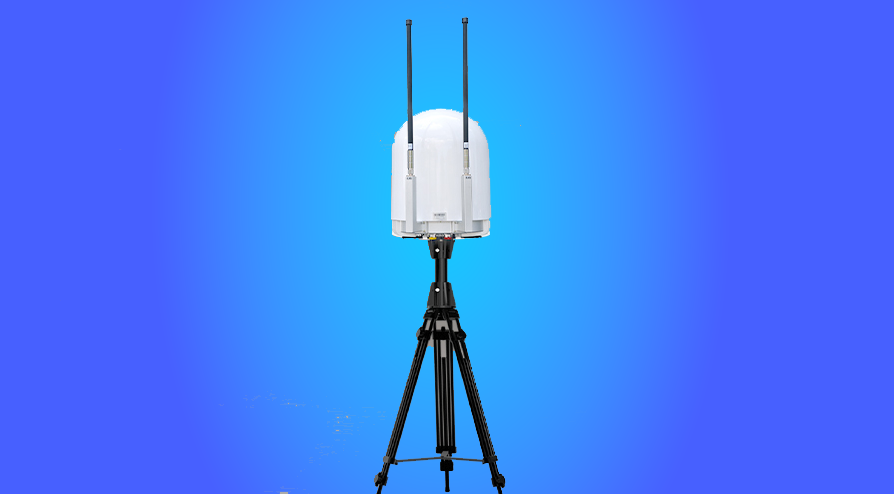
The DR200-A is a passive radio frequency (RF) detection system designed to detect, identify, and locate drones by analyzing their communication signals. Unlike jammers that actively transmit, the DR200‑A is a passive sensor—it listens for drone‑related RF emissions without emitting any signals itself, making it undetectable to hostile operators and compliant with regulations in many jurisdictions.
It is intended for use as a standalone detection sensor or as part of a larger counter‑UAS solution, providing early warning and targeting data for jammers, cameras, or kinetic effectors.
2. What frequency bands does the DR200-A cover?
The system performs full‑band scanning from 70 MHz to 6 GHz, covering virtually all commercial, consumer, and FPV drone communication frequencies. Specific key detection bands include:
-
433 MHz, 530 MHz, 750 MHz, 800 MHz, 900 MHz
-
1.2 GHz, 1.4 GHz
-
2.4 GHz
-
3.3 GHz
-
5.2 GHz, 5.8 GHz
This broad coverage ensures the DR200‑A can detect drones using legacy remote controls, modern 2.4 GHz/5.8 GHz systems, and long‑range 900 MHz or 1.4 GHz links commonly found in FPV and industrial drones.
3. How far can the DR200-A detect drones?
The DR200‑A offers a detection distance of ≥10 km (approximately 6.2 miles) under optimal conditions for general drone RF signal detection. For FPV video signal detection, the system provides a dedicated capability with a detection distance of ≥1.5 km, and it also supports real‑time video viewing—meaning operators can see what the detected FPV drone’s camera is transmitting.
Actual detection range depends on factors such as:
-
Drone transmitter power and antenna
-
Terrain and line‑of‑sight
-
Environmental interference
-
Drone altitude and orientation
4. Does the DR200-A provide direction finding?
Yes. The DR200‑A integrates direction finding (DF) capability, allowing operators to determine the bearing of detected drones. Direction finding accuracy is specified as ≤ ±15° RMS (root mean square), which provides a reliable azimuth for cueing other sensors—such as electro‑optical cameras—or for manually orienting a jammer.
Direction finding is typically performed using an array of antennas within the unit, enabling the system to estimate the angle of arrival of incoming RF signals. This information is critical for situational awareness and for deploying jammers or interceptors effectively.
5. Is the DR200-A designed for outdoor installation?
Yes. The system carries an IP66 protection rating, meaning it is:
-
Dust‑tight (complete protection against dust ingress)
-
Protected against powerful water jets (can withstand heavy rain or hose‑directed water)
This makes the DR200‑A suitable for permanent outdoor installation in environments such as:
-
Rooftops and perimeter fences
-
Oil and gas facilities
-
Airports and seaports
-
Remote border or infrastructure sites
The unit weighs ≤17 kg and has compact dimensions—400 mm in diameter × 516 mm in height—allowing for relatively straightforward mounting on poles, masts, or existing structures.
6. Can the DR200-A detect FPV drones?
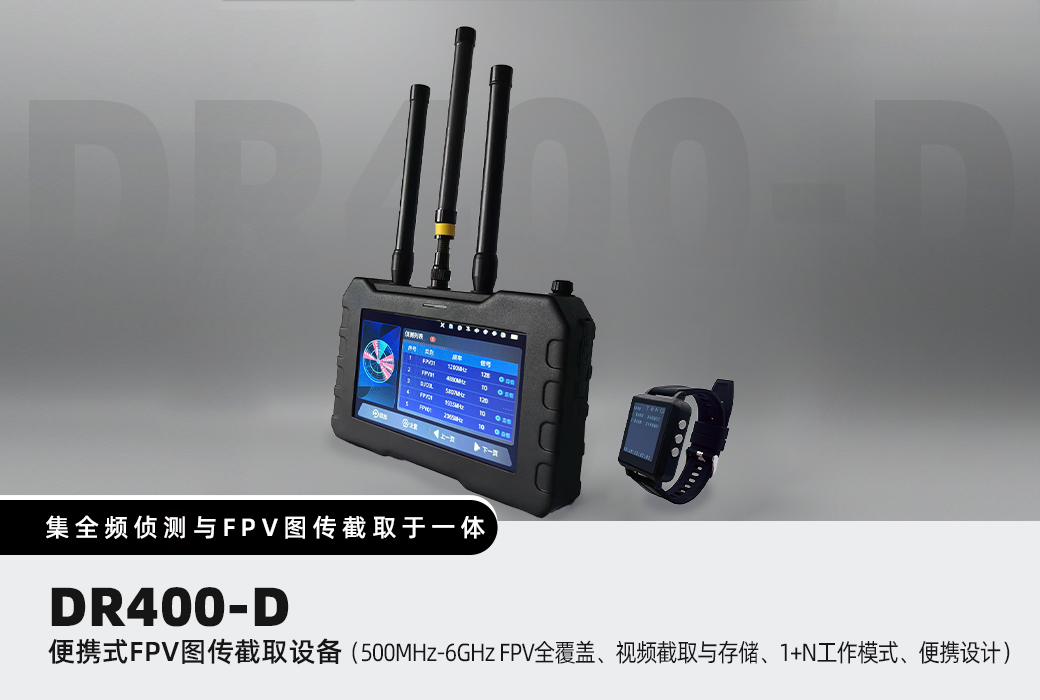
FPV (first‑person view) drones are explicitly within the system’s design scope. The DR200‑A features a dedicated FPV video detection capability covering 500 MHz to 6 GHz full‑band scanning and display, with a detection distance of ≥1.5 km for video signals.
Because FPV drones often rely on analog or low‑latency digital video transmitters in the 5.8 GHz range (or other bands like 2.4 GHz, 1.2 GHz, and 900 MHz), the DR200‑A’s wideband coverage and video‑specific detection allow it to detect these threats even when they are operating without GPS or with minimal control link activity.
The ability to view real‑time video from detected FPV drones provides a significant tactical advantage: operators can see what the drone sees, helping to assess intent and identify payloads.
7. How is the DR200-A typically deployed?
The DR200‑A is a sensor unit and is typically deployed as part of a layered counter‑UAS architecture. Common deployment scenarios include:
-
Fixed site protection: Mounted on rooftops, towers, or perimeter poles to provide continuous wide‑area surveillance
-
Vehicle‑mounted: Used in convoy or mobile security applications (when combined with appropriate mounting and power integration)
-
Integrated systems: The DR200‑A provides detection and direction‑finding data to a central command system, which then activates jammers, cameras, or alarms
Because it is a passive detector, it is often paired with active countermeasures (such as the company’s jamming products) to create a complete “detect‑to‑defeat” solution.
8. What information does the system output to operators?
The DR200‑A is designed to provide actionable intelligence. Operators can expect:
-
Frequency‑band activity (visual display of signals from 70 MHz to 6 GHz)
-
Drone detection alerts when known drone signatures are identified
-
Direction‑of‑arrival (bearing) for detected signals, with ±15° accuracy
-
For FPV drones: real‑time video viewing capability
The system can typically interface with external displays, network video recorders, or command‑and‑control software, allowing it to be integrated into security operations centers (SOCs) or mobile command posts.
Summary
The DR200‑A Drone Detection System combines wideband RF coverage, long‑range detection, FPV video monitoring, and direction finding in a rugged, outdoor‑rated enclosure. For security professionals seeking a passive, continuous monitoring solution—whether for fixed infrastructure, mobile operations, or integration with jammers—the DR200‑A offers a technically robust foundation for early drone threat warning.